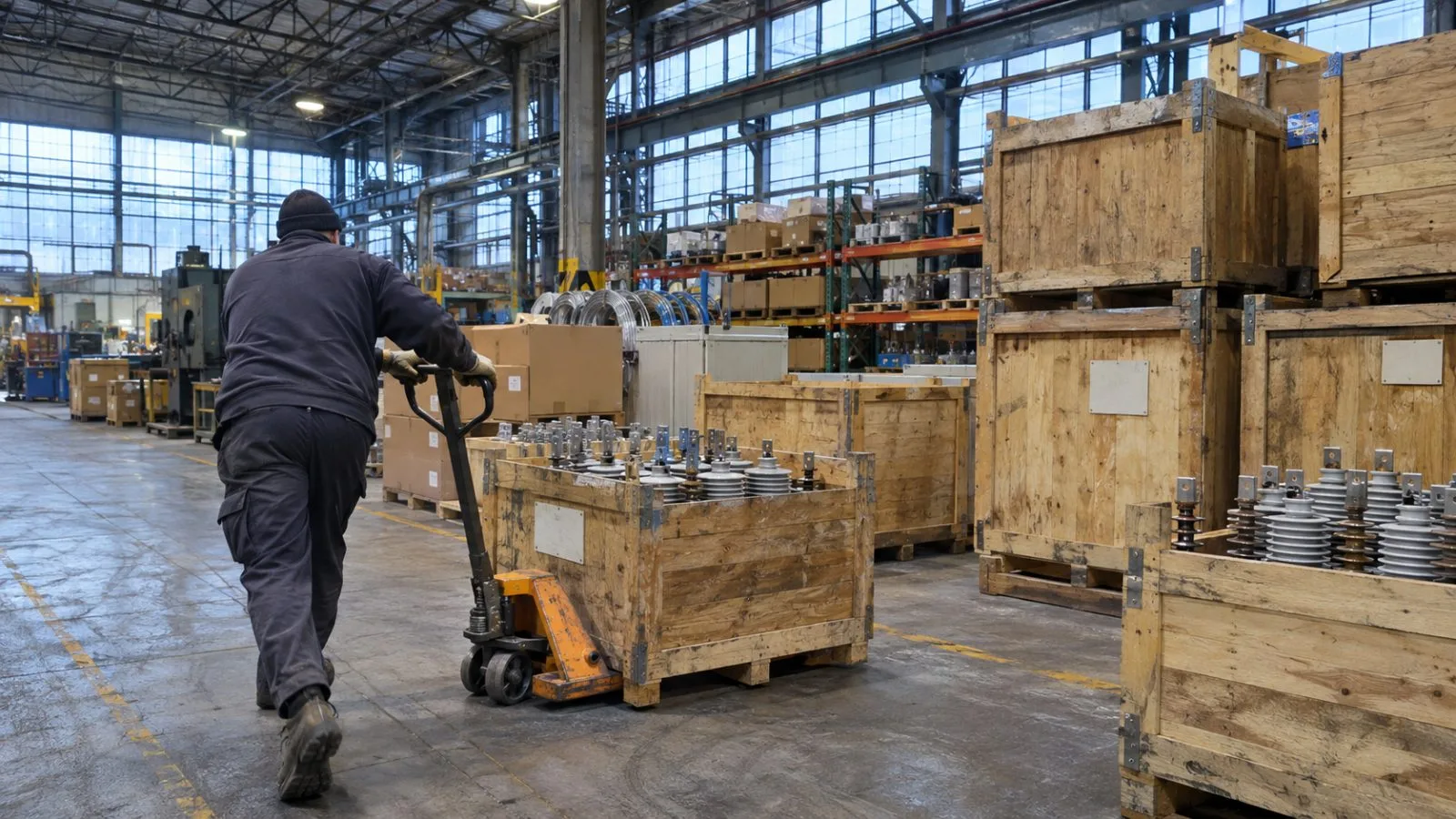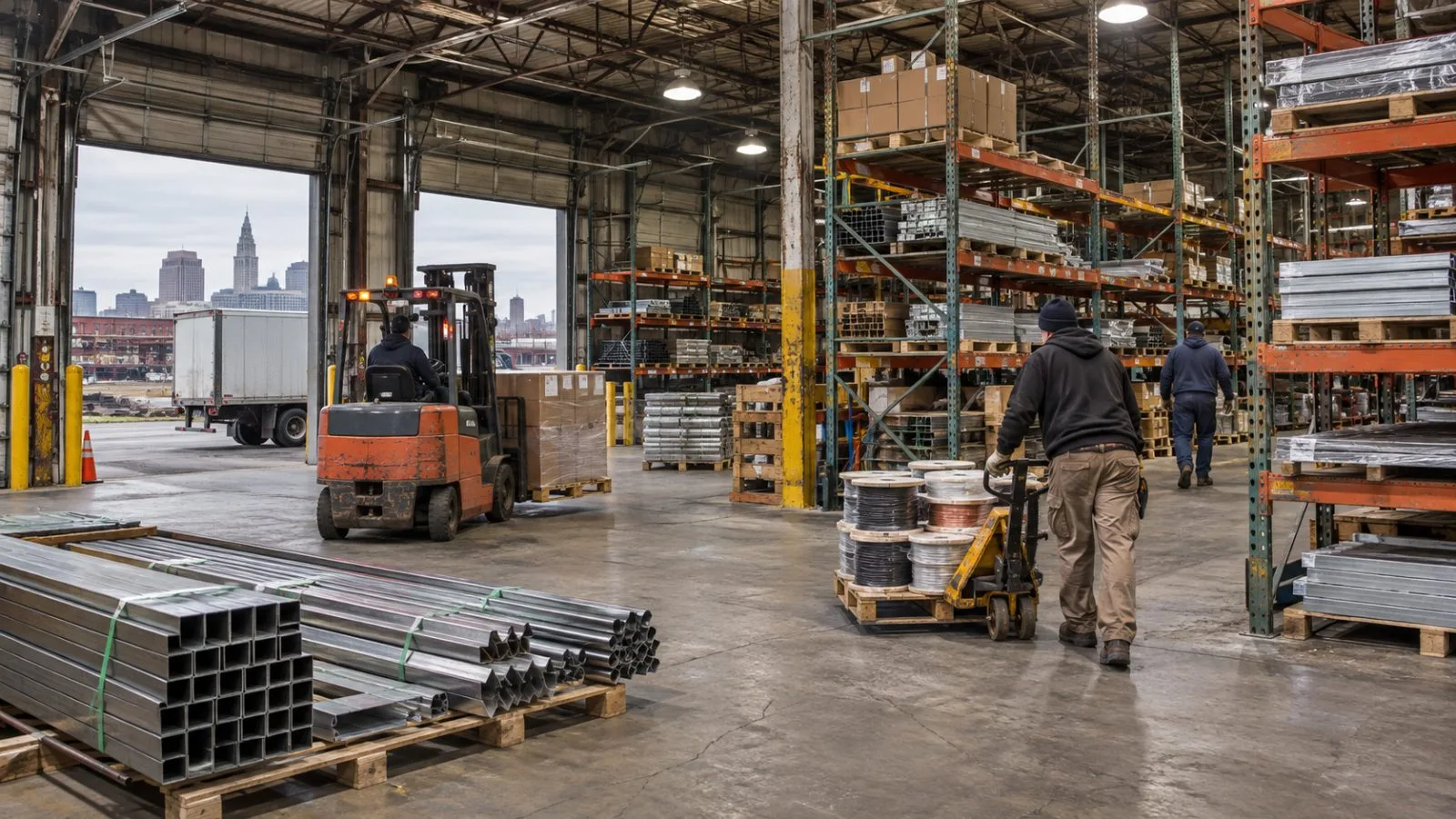
Manufacturers in North America and Europe increased precautionary stockpiling in October, while GEP said the buildup could eventually slow purchasing and weigh on manufacturing activity and the wider economy in 2027.
John Piatek, vice president of consulting at GEP, said stronger purchasing is helping sustain manufacturing activity at present. “Once inventories are built, purchasing could slow,” he said, warning that weaker buying could weigh on manufacturing and the wider economy in 2027. GEP says inventory buffers can protect production from potential cost increases and supply disruptions, but holding them ties up working capital.
GEP’s North American safety-stockpiling gauge rose to more than twice its September level, its strongest reading in five months. The change describes the indicator; it does not show that physical inventories doubled. Separately, regional index readings moved in different directions: Asia rose to 1.67 from 1.49 and Europe to 0.78 from 0.66, while North America slipped to 1.03 from 1.13 and the U.K. fell to 0.39 from 0.59.
Overall supply-chain pressure eased as reports of material and labor shortages declined, GEP said. Material shortages nevertheless remained above their long-run average for an eighth consecutive month, although reports were less pronounced than at any point since March. Oil, electronic and electrical components, and metals were among the items reported in short supply. The United States, China and Germany were key contributors to continued growth in factory purchasing, GEP said.
Reports of manufacturing backlogs caused by staff shortages reached their lowest level since February 2025. GEP’s transportation-cost index also rose for a second month, reaching a four-month high in October.
GEP and S&P Global produce the index using purchasing managers’ index (PMI) responses from about 27,000 companies across more than 40 countries. GEP’s next release is scheduled for 8 a.m. ET on Dec. 10, 2026.