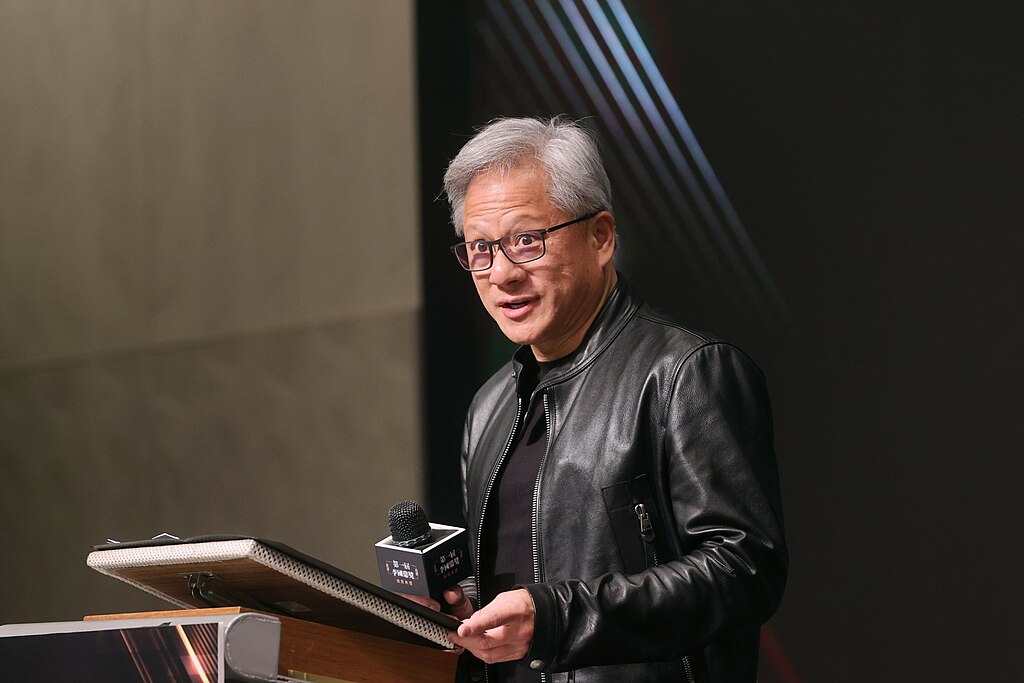
Nvidia has officially entered the Windows PC processor market with the launch of its new RTX Spark platform, unveiled by CEO Jensen Huang during his keynote presentation at COMPUTEX in Taiwan. The announcement marks a major step in Nvidia’s strategy to expand beyond graphics processing and strengthen its position in the rapidly growing artificial intelligence sector.
At the center of the RTX Spark platform is the new Nvidia N1X processor, a custom Arm-based chip developed in collaboration with Microsoft and designed by Taiwanese semiconductor company MediaTek. The processor is specifically engineered to power next-generation AI PCs capable of running artificial intelligence agents locally, reducing reliance on cloud-based computing and improving performance for AI-driven tasks.
Huang emphasized that Nvidia worked closely with Microsoft to optimize Windows for the new hardware. The RTX Spark chips will be featured in upcoming Microsoft Surface devices as well as laptops and desktop PCs from leading manufacturers including HP, Dell, Lenovo, Asus, Acer, and MSI.
The launch places Nvidia in direct competition with established PC processor makers Intel and AMD, while also positioning the company as a potential rival to Apple’s successful Arm-based MacBook lineup. Industry anticipation surrounding Nvidia’s Arm-powered PC chips has been building for years, particularly after reports surfaced in 2023 indicating the company was developing processors for Windows-based computers.
In addition to RTX Spark, Nvidia introduced a new processor called Vera, designed specifically for AI agents. According to Huang, Vera can deliver up to 80% faster completion of agentic tasks compared to existing technologies, highlighting Nvidia’s focus on autonomous AI applications.
The company also confirmed that its next-generation Vera Rubin AI platform has entered full-scale production. Nvidia stated that manufacturing partners are now producing the processors at scale, with shipments expected to begin this fall.
Beyond consumer PCs, Nvidia showcased several new AI solutions targeting enterprise customers, data centers, and physical AI applications, reinforcing its leadership in the global artificial intelligence market and underscoring its commitment to advancing AI computing across multiple industries.