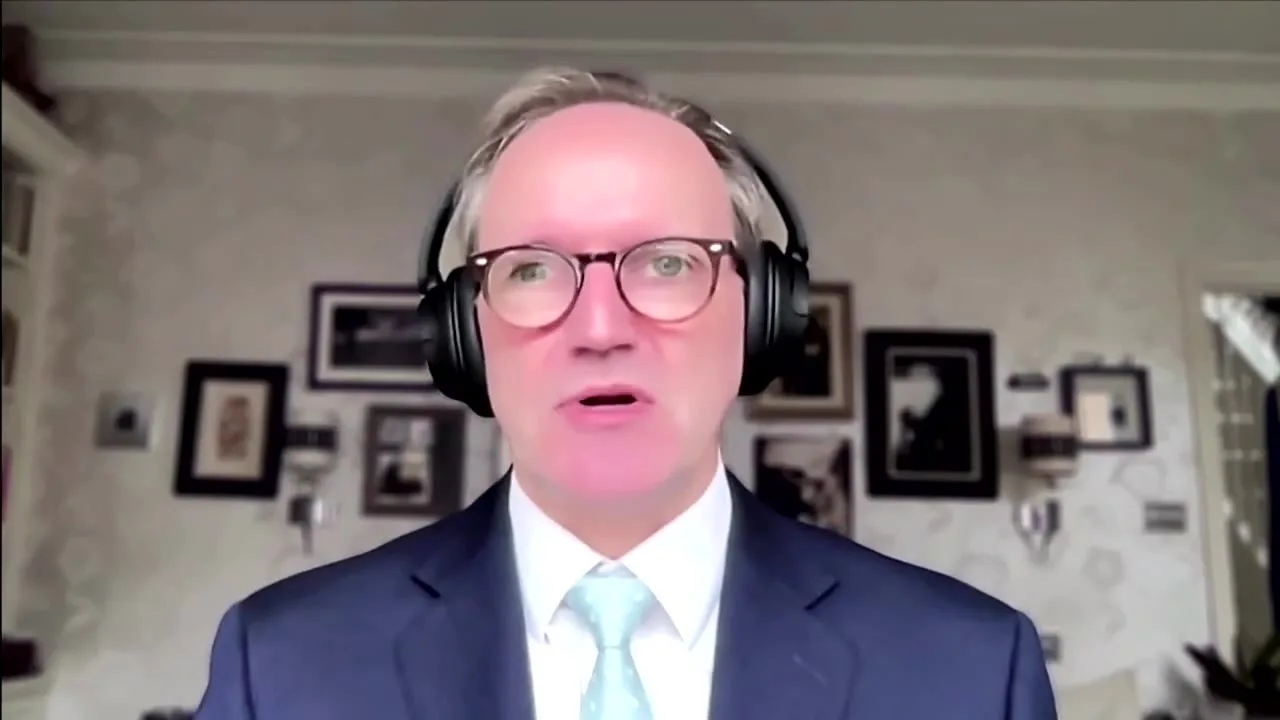
Jensen Huang's return to Nvidia has made the company a riskier investment because of governance concerns, the head of strategy at an investment firm said in a Reuters interview published on Nov. 27.
The strategist called the return a “governance nightmare” on Reuters' Market Talk programme. The automatic transcript did not provide a reliable spelling of the strategist's name or firm.
Investors were divided over Huang's return, the strategist said. Those who had wanted him back would seek reassurance that he would take national security concerns, including the risks associated with shipping chips to China, more seriously.
Several large investors who consider environmental, social and governance issues had said they would sell their Nvidia holdings because of the company's governance problems, the strategist said. The remarks did not identify the investors or say how much stock they held.
Nvidia has supplied money to specialist cloud computing companies and artificial intelligence laboratories, placing it at the centre of the AI boom. The strategist said the company had discussed being more selective about whom it supports when it reported third-quarter earnings.
The strategist said tighter restrictions on moving chips to China could lead Nvidia to be more selective with its support. That could leave some specialist cloud companies in difficulty.
Turning to Europe, the strategist said the European Central Bank faced a difficult balance between high inflation and slow economic growth. Further increases in interest rates could slow the economy and raise the risk of a recession.
The strategist said the central bank might raise rates once more. It would then hope that lower energy prices would help bring inflation down in the second quarter of 2027 without causing a recession in the euro zone.
The strategist also saw a high risk that France's debt problems could worsen after its presidential election. The European Stability Mechanism, an emergency lending institution created after the last European debt crisis, and other emergency mechanisms remained available, the strategist said.
The strategist said the central bank might eventually have to buy French government bonds if the bond market became too unstable. The remarks did not say whether such purchases would be needed or when they might begin.