Controversy surrounding Jensen Huang's return to Nvidia is spreading across US artificial intelligence security policy. The central issue is not one company or one individual, but structural loopholes in US export controls that failed to prevent China's access to advanced technology.
In a Nov. 24 commentary titled "The Real Nvidia Scandal — How China Exploited a Giant Loophole in US National Security and How Congress Can Stop It," the Center for a New American Security (CNAS) said, "US export control policy is suffering from loopholes and a lack of administrative capacity," adding that "interagency conflicts have continued, leaving it detached from a clear strategy."
The controversy intensified after Huang returned as Nvidia's chief executive at President Donald Trump's request. Critics said Nvidia and the White House had shown insufficient interest in preventing powerful artificial intelligence chips from entering China. Huang was also drawn into allegations surrounding his relationship with Alice Huang, a former executive at Singapore-based Megaspeed. Questions were raised over whether Alice Huang may have acted on behalf of Chinese interests.
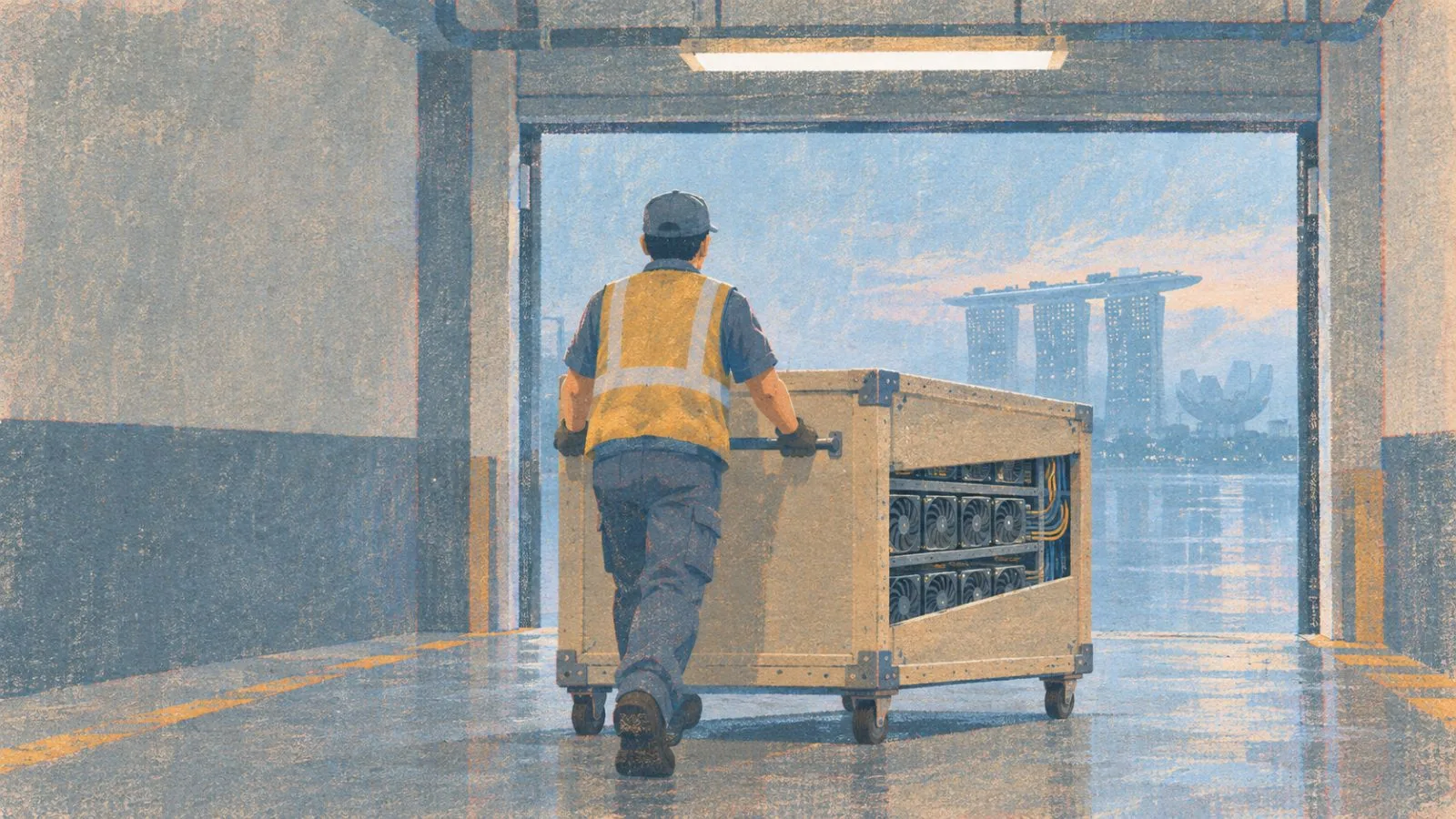
The background to the issue lies in the Trump administration's China policy. The United States sought to accelerate artificial intelligence development as much as possible while taking a more conciliatory stance toward China. This combination fueled the Megaspeed affair and laid the groundwork for other incidents that have yet to come to light, the analysis said. China obtained large quantities of advanced chips by circumventing US controls.
According to artificial intelligence research institute Epoch AI, as much as one-third of China's artificial intelligence computing capacity may have come from smuggled chips. China's leading artificial intelligence models have caught up to within just a few months of the US technological frontier. China's innovation and abundant energy resources also helped narrow the gap, but persistent efforts to evade US regulations were cited as another major factor.
As artificial intelligence becomes more influential and the risks of misuse or loss of control grow, US technological superiority has become a national security task. Congress must first close the loopholes that allowed Megaspeed to supply advanced chips to China. It must also strengthen enforcement of existing controls and establish procedures to monitor the administration's export control decisions.
Over the medium to long term, the United States must determine how to balance the strategic benefits of exporting US technology for global artificial intelligence infrastructure with controls aimed at preventing diversion to China. Debate over which US-made artificial intelligence chips and capabilities should be distributed overseas, and under what conditions, has already emerged as a central political issue. Some have said the affair surrounding Alice Huang brought the issue to the surface.
The challenges for Congress go beyond the details of the Nvidia scandal. It must review the principles guiding the administration's China policy and establish safeguards to prevent the weakening of US export controls. After passing short-term legislation to address the Megaspeed affair, Congress should take the lead in developing a long-term export control strategy.