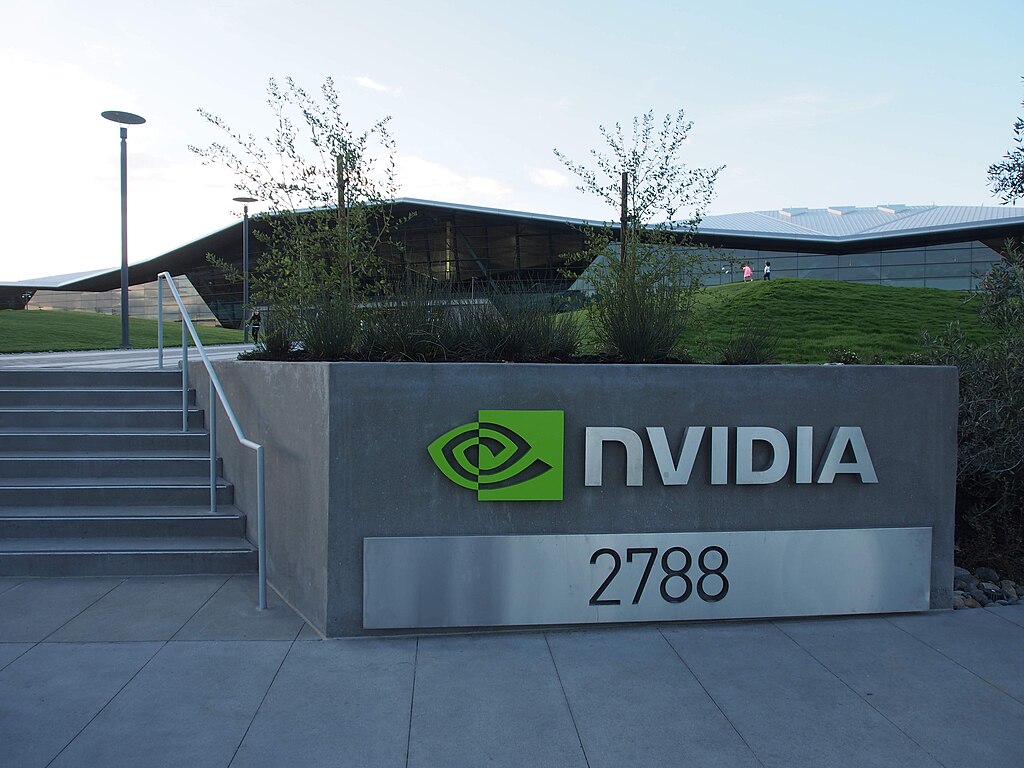
Nvidia’s ambitious plan to invest up to $100 billion in OpenAI, aimed at supporting the training and operation of next-generation artificial intelligence models, has reportedly hit a roadblock. According to a report published by the Wall Street Journal on Friday, the proposed investment has stalled after some executives and insiders within Nvidia raised concerns about the scale and structure of the potential deal. The report cited people familiar with the matter, though details of the internal discussions were not disclosed. Reuters noted that it could not independently verify the Wall Street Journal’s report.
The proposed investment, if finalized, would have marked one of the largest strategic commitments in the artificial intelligence sector to date. Nvidia, the world’s leading supplier of AI-focused graphics processing units (GPUs), has been a critical hardware partner for many AI developers, including OpenAI. OpenAI’s rapidly growing demand for computing power, driven by increasingly complex large language models and generative AI systems, has made access to high-performance chips a central issue in the global AI race.
Sources cited in the report suggested that some Nvidia executives questioned whether committing such a vast amount of capital to a single AI partner would align with the company’s long-term business strategy. Nvidia has benefited enormously from selling chips to a wide range of cloud providers, enterprises, and AI startups, and internal skeptics reportedly worry that a massive direct investment could create financial, strategic, or competitive risks.
The news comes amid intense competition among major technology companies to secure AI infrastructure and partnerships. Companies such as Microsoft, Google, Amazon, and Meta are investing heavily in AI research, data centers, and custom chips to reduce reliance on third-party suppliers. OpenAI, which already has a deep partnership with Microsoft, continues to explore ways to secure sufficient computing resources to support its expanding product lineup.
While neither Nvidia nor OpenAI has publicly commented on the reported delay, the situation highlights the growing complexity of high-stakes AI investments. As artificial intelligence becomes increasingly central to the tech industry, companies must balance rapid innovation with financial discipline and strategic flexibility. Whether Nvidia ultimately proceeds with a large-scale investment in OpenAI remains uncertain, but the reported hesitation underscores the cautious approach even industry leaders are taking as AI spending reaches unprecedented levels.