


 OpenAI Annualized Revenue Hits $50 Billion, Below Earlier Estimates
  Binance to Shut Down Crypto Mining Pool Services on November 10
  Russia Approves Sberbank for Crypto Exchange Services
  Ethereum Foundation-Linked Wallets Move $11.13M in ETH to Kraken
  Apple Cuts iPhone 18 Pro Production Orders Amid Weak Demand
  Syndax Stock Drops 15% After Axatilimab Trial Failure
  Visa Wins China Approval to Prepare Domestic Payments Expansion
  Orsted to Take Full Ownership of UK Offshore Wind Farm for £15 Million
  TSMC Q3 Revenue Beats Estimates as AI Chip Demand Surges
  Arthur Hayes Announces FLOP Testnet Launch Within Weeks
  Moonshot AI Executives Seek Settlement Ahead of Hong Kong IPO
  Jameson Lopp Downplays AI Threat to Bitcoin Cryptography
  US Suspends Microsoft, Adobe From Green Card Program
  Amazon in Talks to Acquire AI Startup Decart for $7 Billion
  OpenAI Revenue Hits $50 Billion, Below Earlier $70 Billion Estimate
  Zcash Plans Quantum-Resistant Security Upgrade for January
  Elon Musk Eyes Semiconductor Manufacturing Expansion With $15 Billion Terrafab Project


 Add as a preferred source on Google
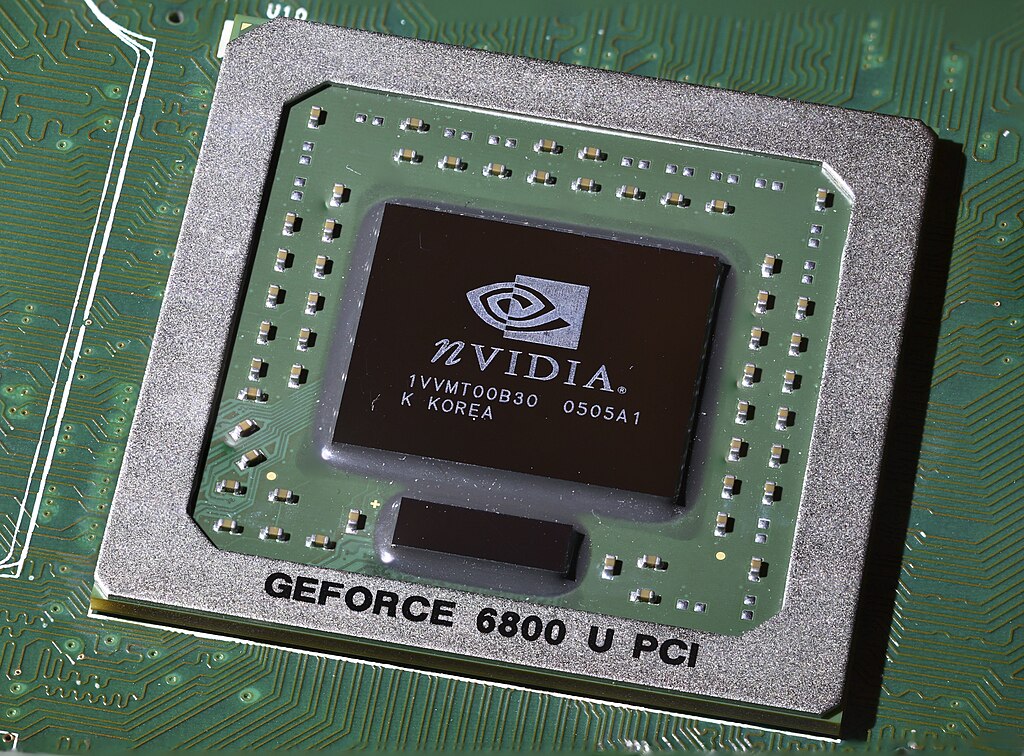
Nvidia’s share of China’s artificial intelligence chip market declined sharply during the first half of 2026 as U.S. export restrictions and growing competition from domestic semiconductor manufacturers reshaped the industry.
According to a Reuters report on Tuesday citing research firm IDC, Nvidia shipped approximately 678,000 AI data center chips in China during the six months ending in June, representing a 44% decline compared with the same period last year.
The drop pushed Nvidia’s market share in China’s AI chip sector down to 34%, highlighting the challenges facing the U.S. semiconductor giant as Chinese technology companies accelerate efforts to develop domestic alternatives.
Washington’s restrictions on advanced semiconductor exports remained a major factor behind Nvidia’s declining shipments. U.S. authorities continued blocking sales of the company’s most powerful AI processors to China, limiting its ability to serve one of the world’s largest artificial intelligence markets.
Although Washington authorized certain lower-performance chips for export, Chinese regulators permitted only limited domestic sales, further restricting Nvidia’s access to local customers.
Meanwhile, Huawei emerged as Nvidia’s strongest domestic competitor, capturing 28% of China’s AI chip market, according to the IDC figures cited by Reuters.
Other Chinese semiconductor developers also expanded their presence. Alibaba’s chip-design division T-Head secured a 7% market share, followed by Cambricon Technologies with 5%.
Baidu-backed Kunlunxin accounted for 4% of the market, while Hygon Information Technology held a 3% share.
The increasing market presence of these companies reflects China’s broader push toward semiconductor self-sufficiency as geopolitical tensions and technology restrictions disrupt global chip supply chains.
Chinese technology firms are investing heavily in advanced AI processors to reduce dependence on foreign suppliers and support domestic artificial intelligence development.
Demand for AI data center chips has surged in recent years as companies across China and the United States compete to develop increasingly sophisticated AI models and expand computing infrastructure.
For Nvidia, the declining market share underscores the growing competitive pressure from Chinese chipmakers despite strong global demand for AI computing hardware.
The latest figures also demonstrate how U.S. semiconductor export controls are accelerating changes in China’s AI chip industry, creating opportunities for Huawei and other domestic manufacturers to strengthen their positions.







