A shift in how investors value artificial intelligence could weaken a support for the U.S. dollar, as OCBC says the boom has helped lift growth, equity returns and Treasury yields.
In an Oct. 19 report, OCBC FX strategists Sim Moh Siong and Christopher Wong said AI investment has strengthened U.S. economic activity and equities while adding to financing demand, inflationary pressure and Treasury yields. Those effects have helped sustain the relative appeal of U.S. assets, in the bank’s assessment.
OCBC’s downside scenario begins with a reassessment of AI financing or expected returns. The bank said that could curb capital spending and weigh on equities and yields, reducing the dollar’s yield advantage. Overseas investors might also change their currency hedges if they no longer see the dollar as a useful cushion against losses in U.S. stocks, the strategists said. “The broader message is about two-way risk,” they wrote.
U.S. Treasury data show the 10-year par yield at 5.09% on Oct. 16, down from 5.28% on Oct. 7. The U.S. Bureau of Labor Statistics (BLS) said the all-items consumer price index rose 0.6% in September 2026 from the prior month on a seasonally adjusted basis, and 3.7% over 12 months on an unadjusted basis. The BLS reported that its final-demand producer price index increased 1.3% month over month, seasonally adjusted, and 6.3% over 12 months, unadjusted.
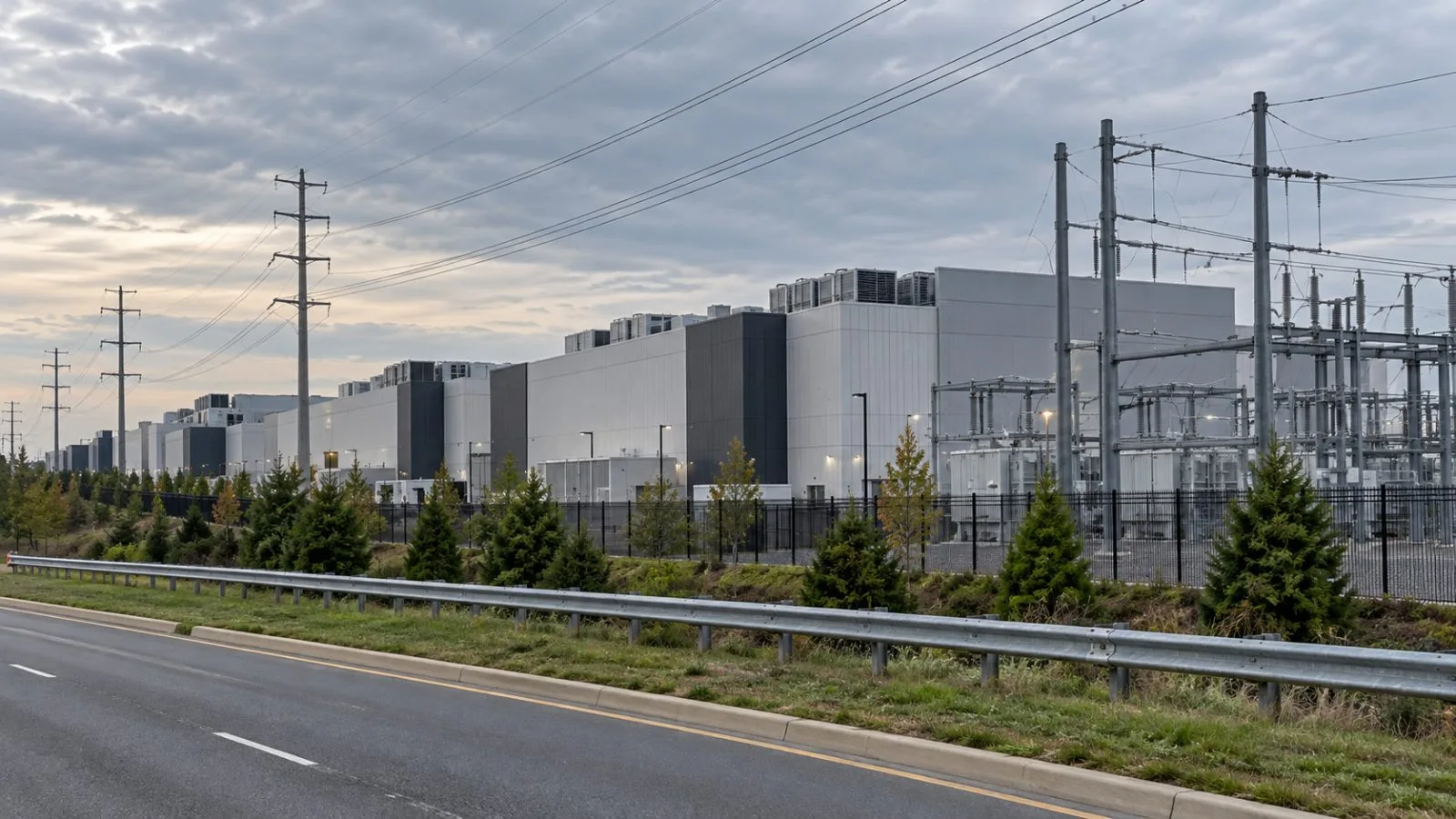
In a Sept. 10 speech, Pablo Hernández de Cos, general manager of the Bank for International Settlements (BIS), said AI investment broadly is increasingly financed through debt and private credit. Separately, the BIS said the five largest technology companies are expected to spend more than $1 trillion combined on AI capital expenditure across 2025 and 2026.
In its Form 10-Q filed Aug. 12, CoreWeave, Inc. reported total indebtedness of $35.6 billion and operating lease liabilities of $16.3 billion as of June 30, 2026. EconoTimes has previously covered AI debt risks discussed in Marks’ earlier memos.
OCBC continues to view AI investment as a net support for the dollar while the spending holds up. The bank characterized recent unease as a setback in the investment cycle, while warning that a change in financing or return expectations could alter that outlook.