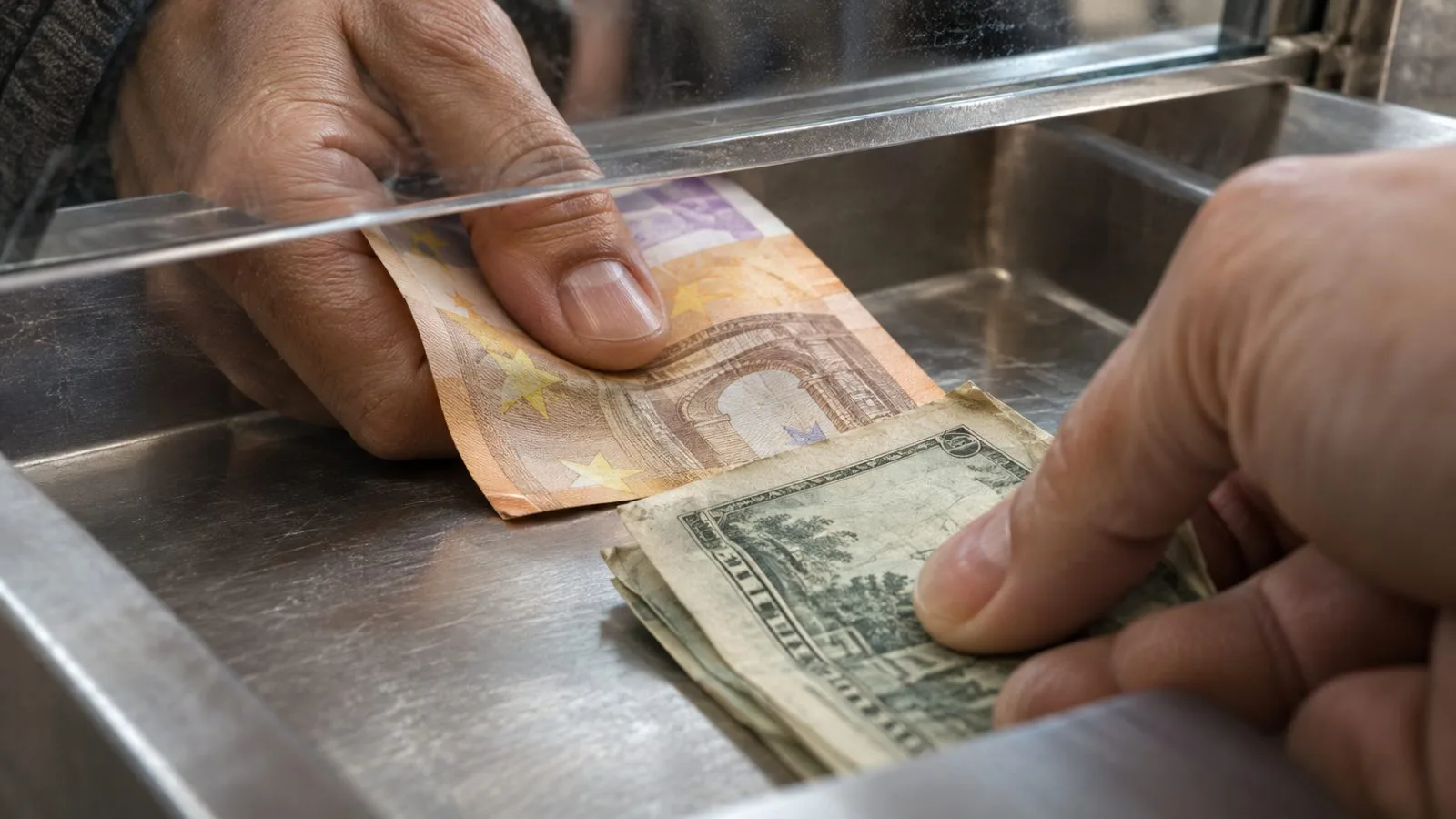
MUFG Research analyst Derek Halpenny said the dollar index stayed above 103 on Nov. 13, with higher short-term Treasury yields helping the currency as technology weakness and a Microsoft outage could heighten market risk aversion.
Between Nov. 6 and Nov. 13, the two-year Treasury par yield advanced from 4.51% to 4.88%, official daily data show. The U.S. Treasury says its curve uses rate quotations collected at or near 3:30 p.m. ET on trading days.
For historical context, MUFG compared the dollar's level with the period associated with “Liberation Day” in April 2025. Halpenny's separate 45-basis-point calculation compared the Nov. 6 intraday trough with the Nov. 13 intraday peak. He described it as the largest five-day shift since November 2022, using a different measurement from the Treasury's daily readings.
Halpenny identified the Australian dollar and Swedish krona as two of the G10's weaker performers that week. He said another turn toward caution could weigh on currencies that tend to move more sharply with markets. He also pointed to Australia's currency as vulnerable to a renewed AI-related sell-off because of its sensitivity to economic, energy and commodity shifts. MUFG has previously warned that retreating AI enthusiasm could expose the dollar through foreign investment in U.S. assets, a concern raised in an earlier EconoTimes report on the bank's AI-sentiment warning.
Microsoft 365 Status reported signs of service restoration Friday. The company connected the issue to network-capacity work carried out earlier, saying a subsequent change brought the fault to light. It ruled out cyber activity and AI agents and said a fuller report would follow its review.
MUFG's base case is a 25-basis-point Federal Reserve rate hike. Halpenny said stronger jobs data or another rise in energy prices could lead markets to factor a 50-basis-point move or consecutive increases into expectations, but those are analyst scenarios rather than a Fed commitment. He wrote that “the global backdrop suggests elevated to higher yields will persist.” The Fed's next rate decision is scheduled for December.