Oil rose by more than $2 a barrel early Oct. 21 as traders weighed risks to Gulf shipping, before U.S. data showed crude and gasoline stockpiles fell.
At 6:48 a.m. ET (10:48 UTC), Brent crude futures were at $110.85 a barrel, up $2.06, or 1.9%. U.S. West Texas Intermediate (WTI) was at $99.95, up $2.13, or 2.2%, Reuters reported.
In the prior session, Brent reached its highest level in five months and WTI its highest in six months, Reuters reported. Prices then eased as traders considered possible mediation during a Tehran meeting between Iran’s president and Pakistan’s army chief.
The U.S. Energy Information Administration (EIA) reported that commercial crude inventories fell by 3.06 million barrels to 412.517 million barrels in the week ended Oct. 16. Gasoline stocks declined by 2.952 million barrels, while distillate stocks rose by 1.675 million barrels. The government figures came after the early price surge.
An earlier American Petroleum Institute estimate put the crude draw at 4.9 million barrels and showed declines in both gasoline and distillate stocks, Reuters reported, citing market sources. The two estimates differed most clearly on distillates: the EIA reported an increase where the industry estimate had indicated a decline.
Diplomacy and shipping remained in focus. Iranian Foreign Minister Abbas Araqchi wrote in a Financial Times opinion article that Iran sought a peaceful resolution but was prepared to defend itself. Iranian President Masoud Pezeshkian said threats and sanctions had to be removed to create conditions for dialogue.
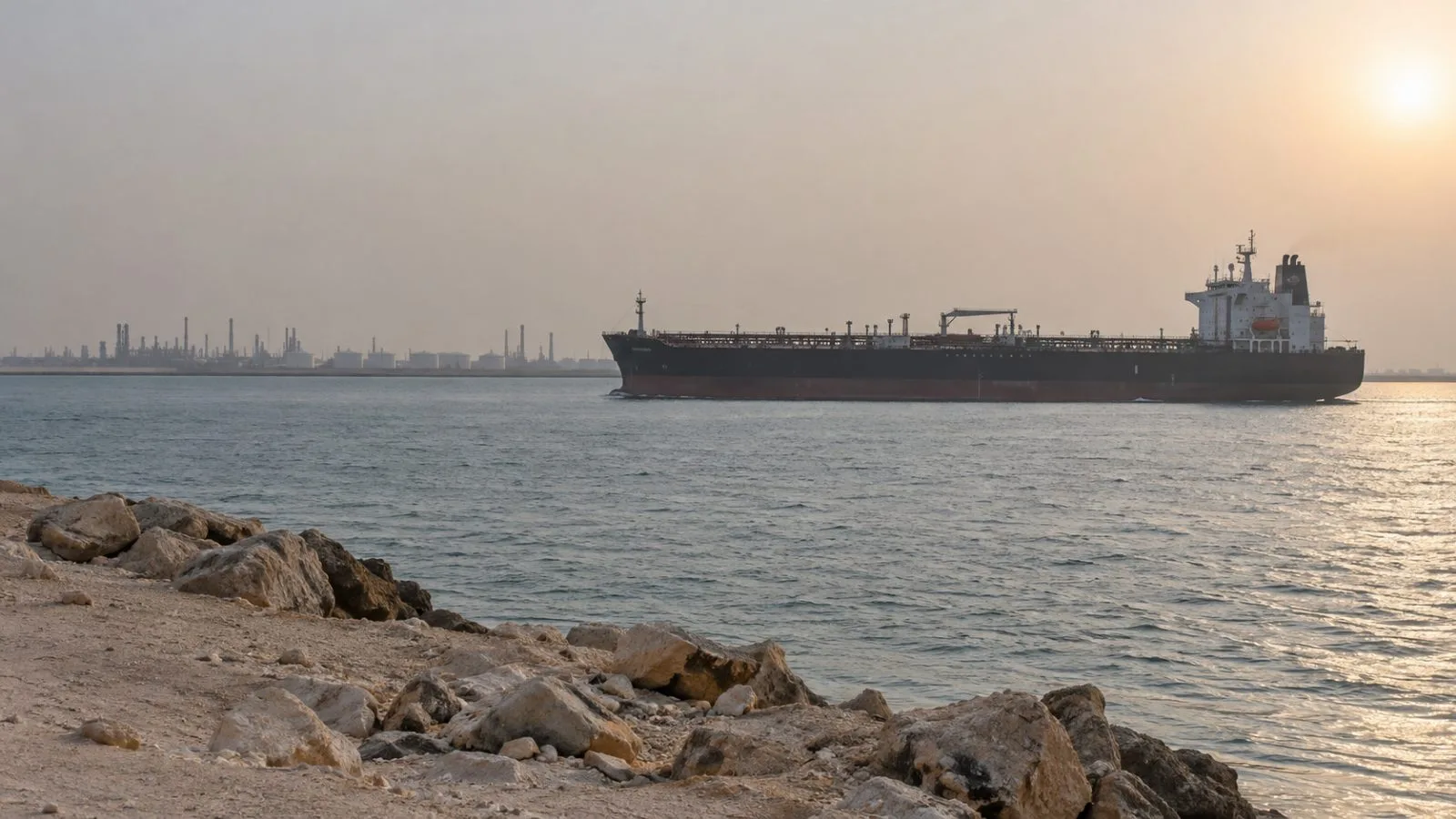
UK Maritime Trade Operations (UKMTO) said a tanker’s captain reported that a small boat fired a rocket-propelled grenade at the vessel 78 nautical miles northeast of Al Jubayl, Saudi Arabia, on Oct. 16. The tanker was damaged, but its crew was safe. The warning did not identify an attacker.
Brent had settled at $108.79 in the previous session. The EIA’s next weekly petroleum report is scheduled for Oct. 28.