Global oil prices declined sharply on Monday after signs of easing tensions between the United States and Iran reduced concerns about potential disruptions to global energy supplies.
Brent crude futures dropped $3.51, or 4.02%, to $83.82 per barrel by 2203 GMT, while U.S. West Texas Intermediate (WTI) crude fell $3.93, or 4.63%, to $80.95 per barrel. The decline came after U.S. President Donald Trump and Iran’s deputy foreign minister announced that both sides had reached an agreement to halt the conflict and restore maritime traffic through the strategically important Strait of Hormuz.
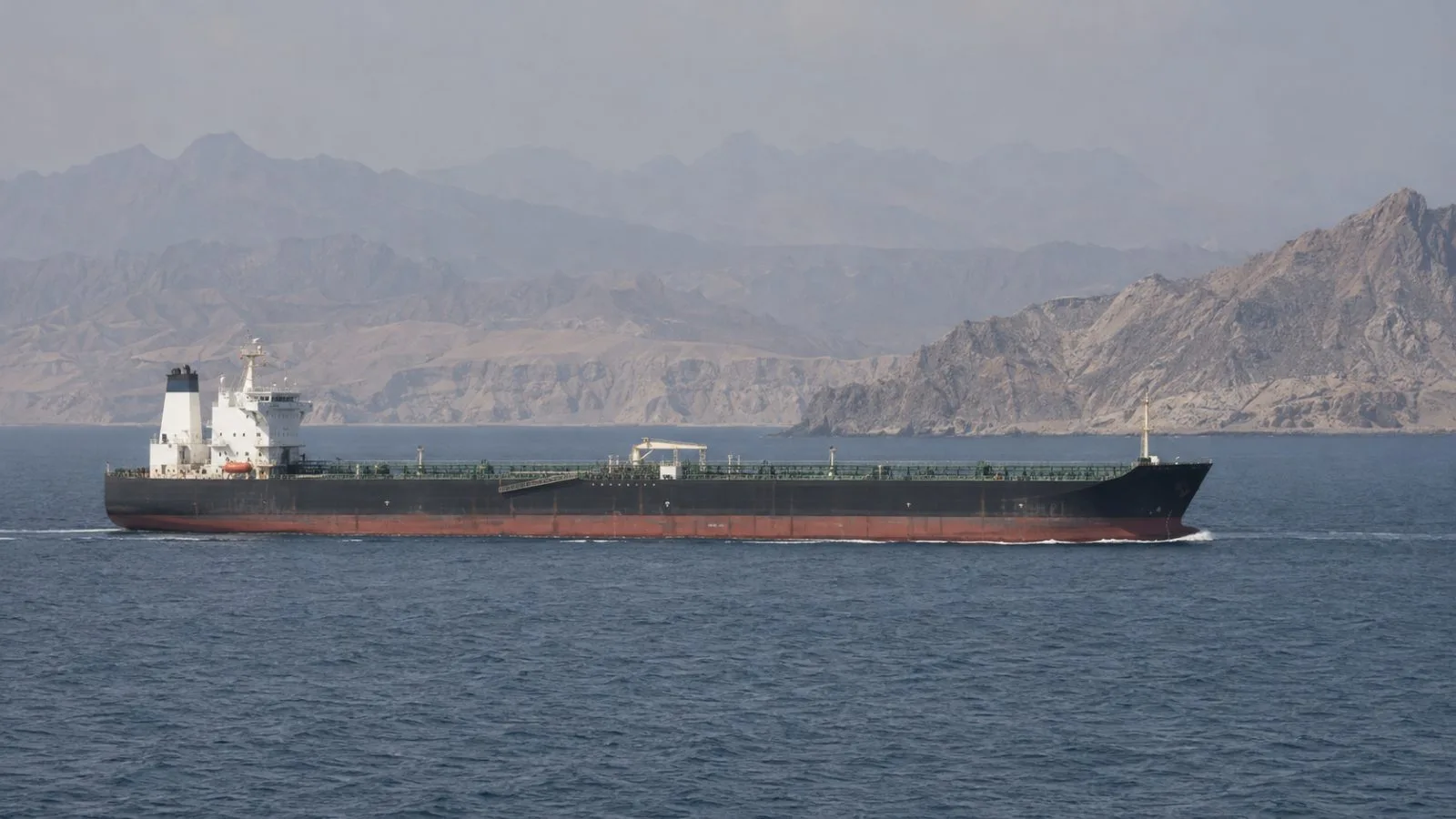
The Strait of Hormuz is one of the world’s most critical oil shipping routes, handling a significant portion of global crude exports. Any disruption in the waterway often triggers concerns over supply shortages, leading to higher oil prices. News of a potential peace agreement and the reopening of shipping lanes eased fears of supply constraints, prompting investors to reduce risk premiums that had previously supported crude prices.
Market participants closely monitored developments in the Middle East, as geopolitical tensions in the region have been a major driver of volatility in the energy sector. The prospect of uninterrupted oil shipments through the Strait of Hormuz boosted confidence among traders and contributed to the sharp decline in both Brent crude and WTI crude benchmarks.
Analysts noted that the agreement could help stabilize global oil markets if it leads to a lasting reduction in regional tensions. Investors will continue to watch for official confirmations and further details regarding the implementation of the deal, as well as any impact on global crude oil supply and demand.
The latest price movement highlights how geopolitical developments can significantly influence oil prices, energy markets, and investor sentiment worldwide.