Global oil prices dropped sharply on Friday and were set for significant weekly losses as growing optimism surrounding a potential U.S.-Iran peace agreement raised expectations that the Strait of Hormuz could soon reopen, easing concerns over global energy supplies.
Brent crude futures for August delivery fell 3.7% to $87.00 per barrel, while U.S. West Texas Intermediate (WTI) crude for July delivery declined 3.6% to $84.54 per barrel. Both benchmarks were on track to record weekly losses exceeding 6%, reflecting improving market sentiment around geopolitical risks in the Middle East.
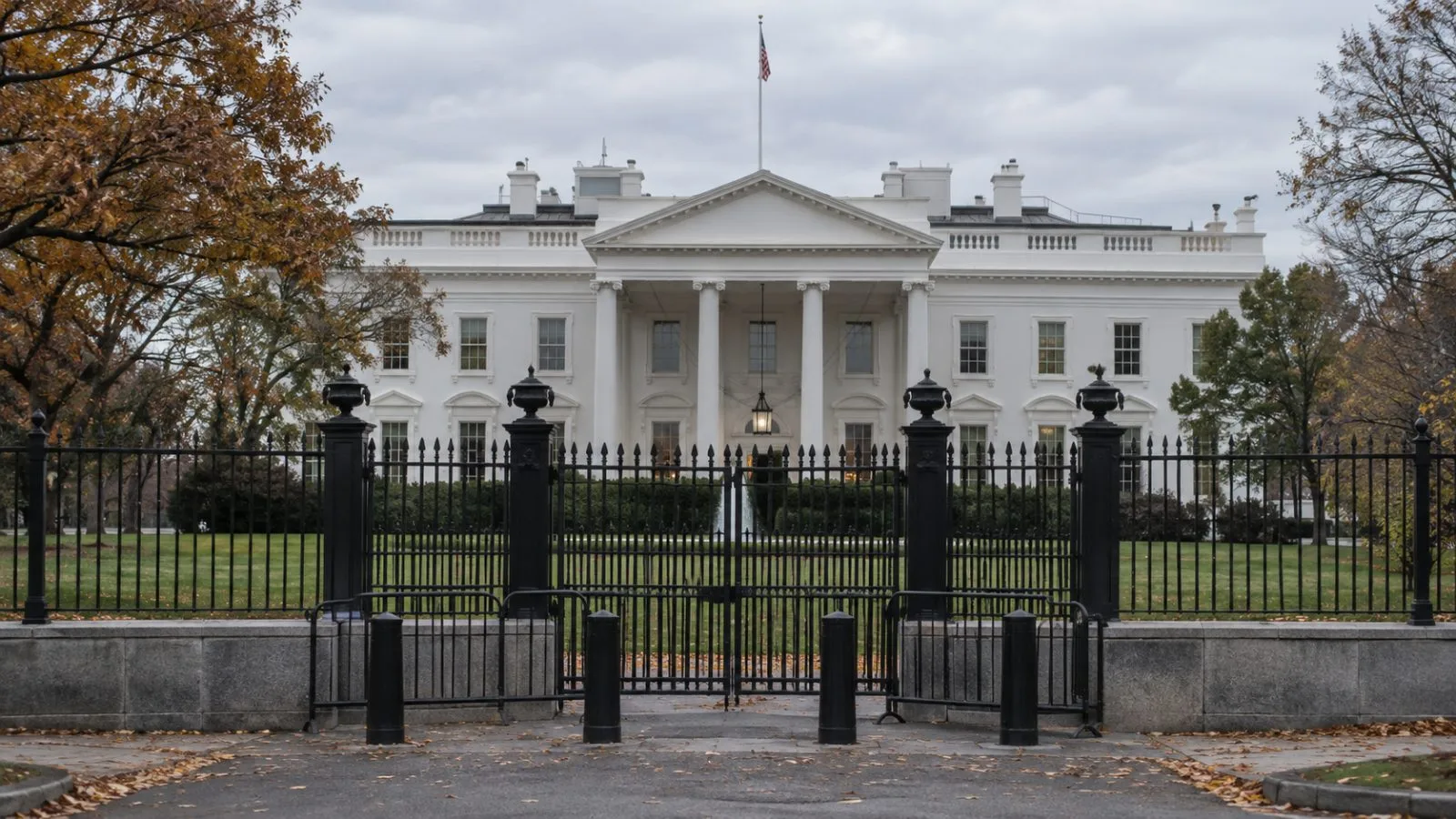
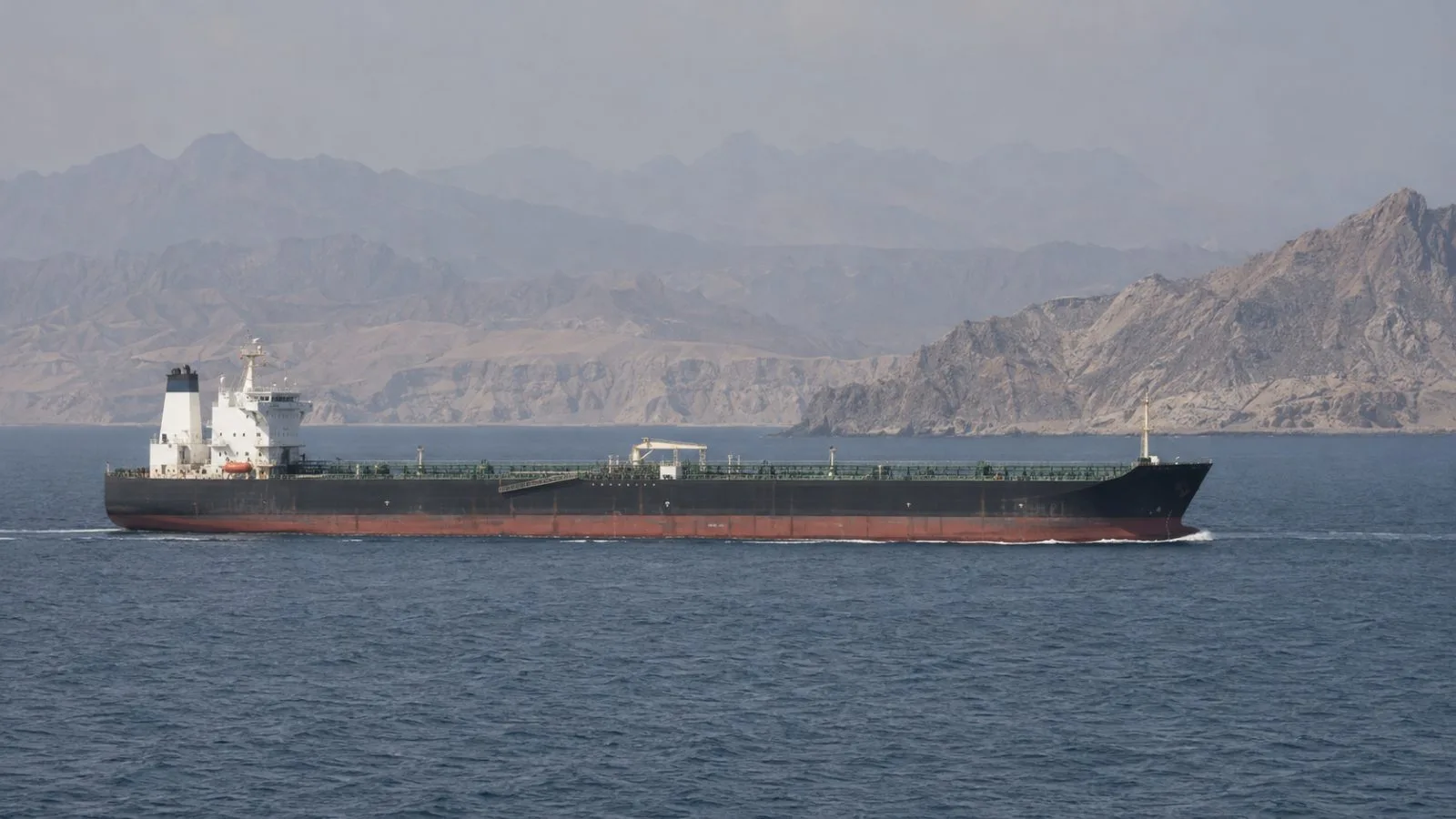
Investor confidence improved after U.S. President Donald Trump stated that Washington and Tehran had reached an agreement that could be finalized within days. The proposed deal is expected to reopen the Strait of Hormuz, one of the world’s most critical oil transit routes, through which roughly 20% of global oil and gas shipments pass.
Although Trump later criticized reports from Iran regarding the details of the agreement, comments from Iranian Foreign Minister Seyed Abbas Araghchi suggested negotiations were nearing completion. Pakistan, which has played a key mediation role between the two nations, also expressed confidence that a finalized peace agreement was close.
The prospect of reduced tensions has pushed Brent crude prices to their lowest levels since early March. While oil remains above pre-conflict levels of around $70 per barrel, prices have retreated considerably since late May as traders increasingly anticipate an end to the conflict.
Market analysts noted that recent declines were largely driven by expectations that the Strait of Hormuz could reopen, potentially restoring smoother energy flows and reducing supply disruptions. However, uncertainty remains, with investors closely monitoring diplomatic developments for confirmation of a final agreement.
Meanwhile, OPEC revised its global oil demand outlook. The organization now forecasts oil demand growth of 1 million barrels per day in 2026, down from its previous estimate of 1.2 million barrels. However, it raised its 2027 demand growth forecast to 1.7 million barrels per day. Despite the adjustment, OPEC remains more optimistic than the U.S. Energy Information Administration and the International Energy Agency, both of which expect weaker demand trends in the coming years.
As geopolitical tensions and energy market fundamentals continue to evolve, oil traders remain focused on the progress of U.S.-Iran negotiations and their potential impact on global crude oil prices, energy security, and future supply-demand balances.