Oil prices jumped sharply on Monday as escalating tensions in the Middle East fueled concerns about global supply disruptions. Brent crude futures climbed 6.8% to $77.80 per barrel, reaching their highest level since January 2025. Meanwhile, West Texas Intermediate (WTI) crude rose 5.7% to $70.85 per barrel, hovering near its strongest level since June. The rally follows coordinated U.S. and Israeli airstrikes on Iran over the weekend, significantly heightening geopolitical risk in the oil market.
The military action reportedly targeted key Iranian leadership and nuclear facilities, prompting swift retaliation from Tehran. Iran launched missile strikes against Israel and several Gulf nations with U.S. ties, including Bahrain, Kuwait, Qatar, and the United Arab Emirates. President Donald Trump indicated that further military operations are likely, warning of continued instability in the region.
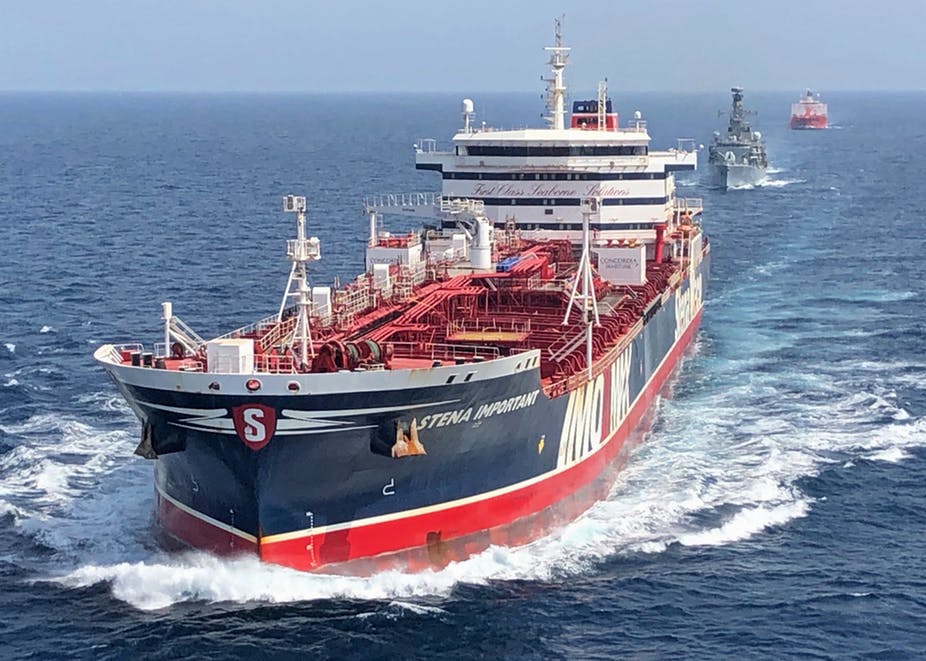
Investors are closely watching developments around the Strait of Hormuz, a vital oil transit route responsible for nearly 20% of global oil consumption. Reports suggest Iran has targeted vessels in the area, raising fears of shipping disruptions. Analysts warn that any prolonged closure or restriction of the strait could significantly tighten global crude supply and push energy prices higher.
Market strategists emphasize that the duration of the conflict will determine the long-term direction of oil prices. While some expect a short-term spike followed by stabilization, others caution that sustained disruptions could drive Brent crude toward the $90 to $100 range. Historical data shows that although the current surge is notable, it remains below the largest price spikes seen during the Gulf War, the Global Financial Crisis, and the COVID-19 pandemic.
Adding complexity to the supply outlook, OPEC+ announced a production increase of 206,000 barrels per day. While the move aims to stabilize global oil markets, shipping constraints and geopolitical tensions may limit its impact.
As volatility intensifies, traders and investors continue monitoring Middle East developments, supply chain risks, and OPEC+ policy decisions for further direction in crude oil prices.