Oil prices were below Monday’s settlements by 9:11 a.m. ET Tuesday after earlier gains, as Reuters linked the reversal to regional diplomacy and concerns about fresh strikes around Saudi Arabia.
Reuters reported that at 5:18 a.m. ET (09:18 UTC), Brent crude futures had risen 45 cents, or 0.39%, to $116.26 a barrel, while West Texas Intermediate (WTI) gained 40 cents, or 0.39%, to $102.16. By 9:11 a.m. ET (13:11 UTC), Brent was at $114.81, down $1, or 0.86%, and WTI was at $100.98, down 78 cents, or 0.77%. Reuters put Monday’s settlements at $115.81 for Brent and $101.76 for WTI.
The price moves came as four countries signaled more regional talks. After a meeting in Tehran on Oct. 26, the joint statement said the participants agreed to continue regional dialogue on cooperation, including peace and security. Saudi Arabia’s Foreign Ministry said the visit supported de-escalation and mediation efforts by Qatar and Pakistan. The statement did not set a date for another round.
On Tuesday, the Saudi-led coalition said it intercepted three ballistic missiles aimed at the kingdom’s Eastern Region and four drones headed toward southern regions.
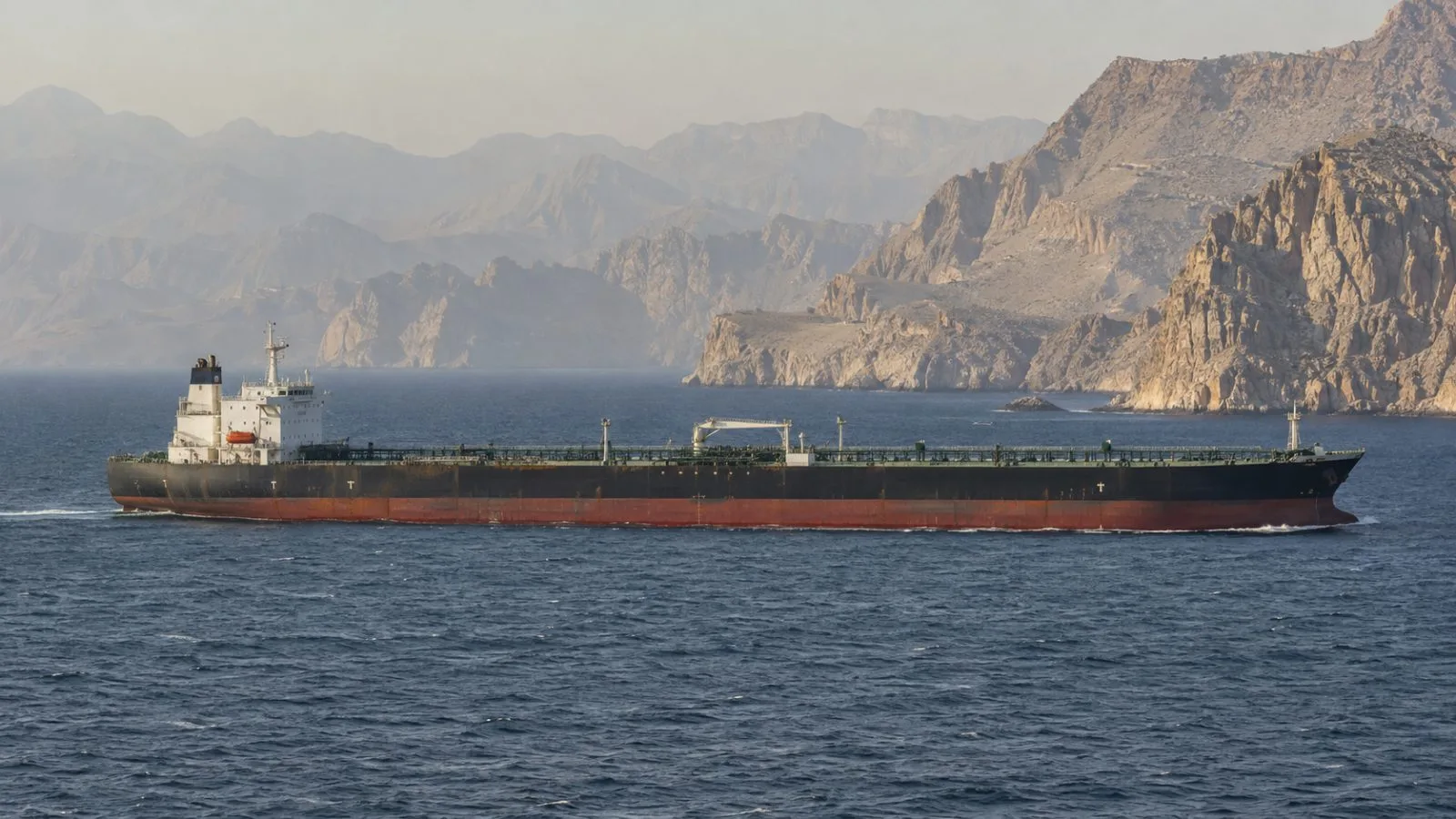
The Strait of Hormuz is a key route for global oil shipments. The International Energy Agency (IEA) estimates that crude oil and oil products passing through the strait averaged 20 million barrels per day in 2025, about 25% of global seaborne oil trade. The agency says alternative export capacity is limited. Reuters, citing ANZ Research, reported that Gulf crude exports had fallen for a fourth straight week, Hormuz flows were about 60% of normal and global distillate inventories were nearly 5% below their five-year average.
In its October 2026 outlook, the U.S. Energy Information Administration (EIA) tied September’s record tanker rates to more expensive insurance and longer shipping routes, saying those costs raised the delivered crude prices refiners faced.