A sharp split between Rabobank’s oil outlook and the U.S. Energy Information Administration’s forecast underscores how Gulf supply risks could shape costs for American refiners and global buyers next year.
Rabobank’s Nov. 4 monitor projected Brent crude would average $120 a barrel in the first half of 2027, then fall to $92 in the fourth quarter. The EIA’s November outlook put quarterly averages at $94.90 in the first quarter and $89 in the second.
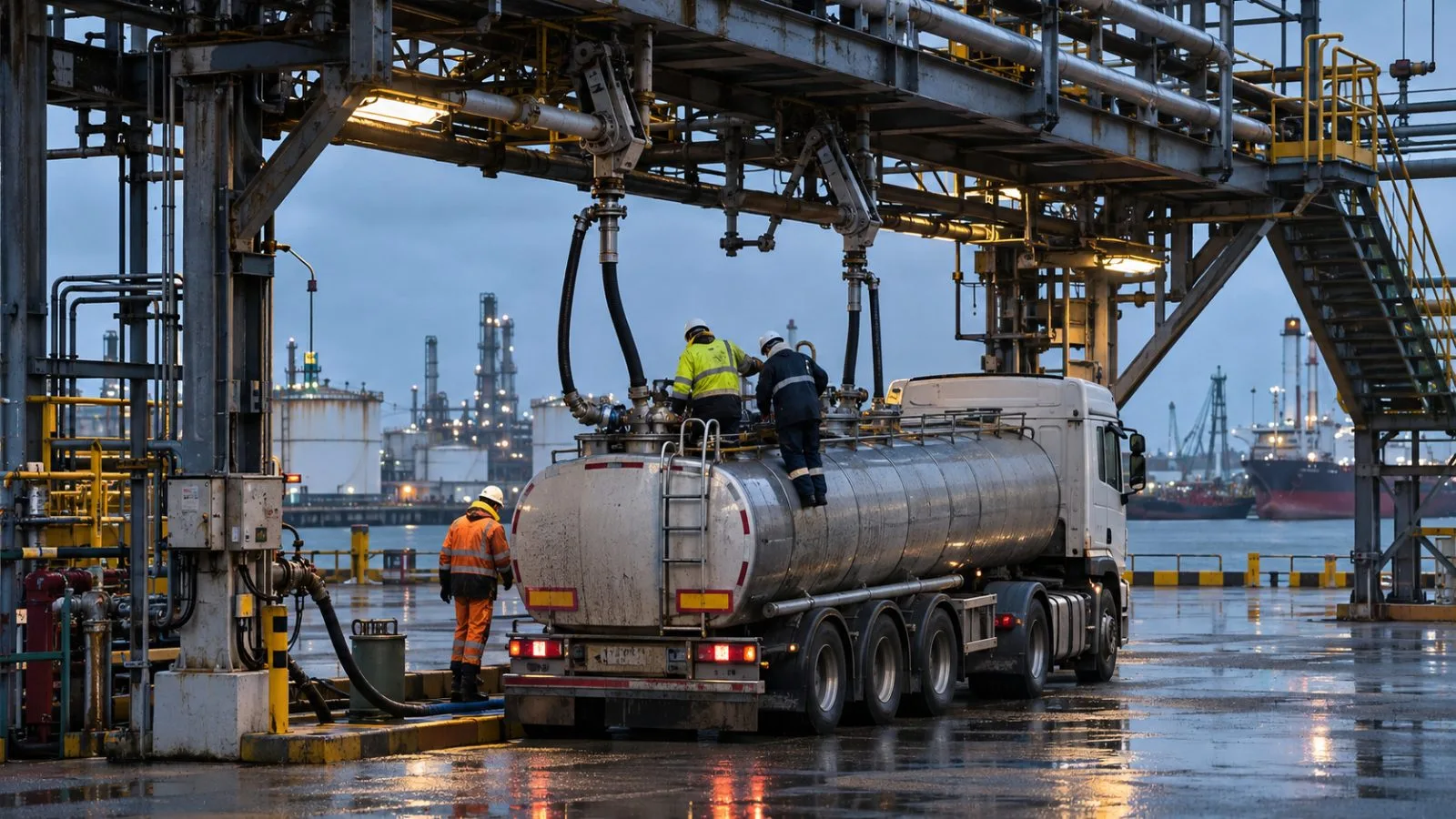
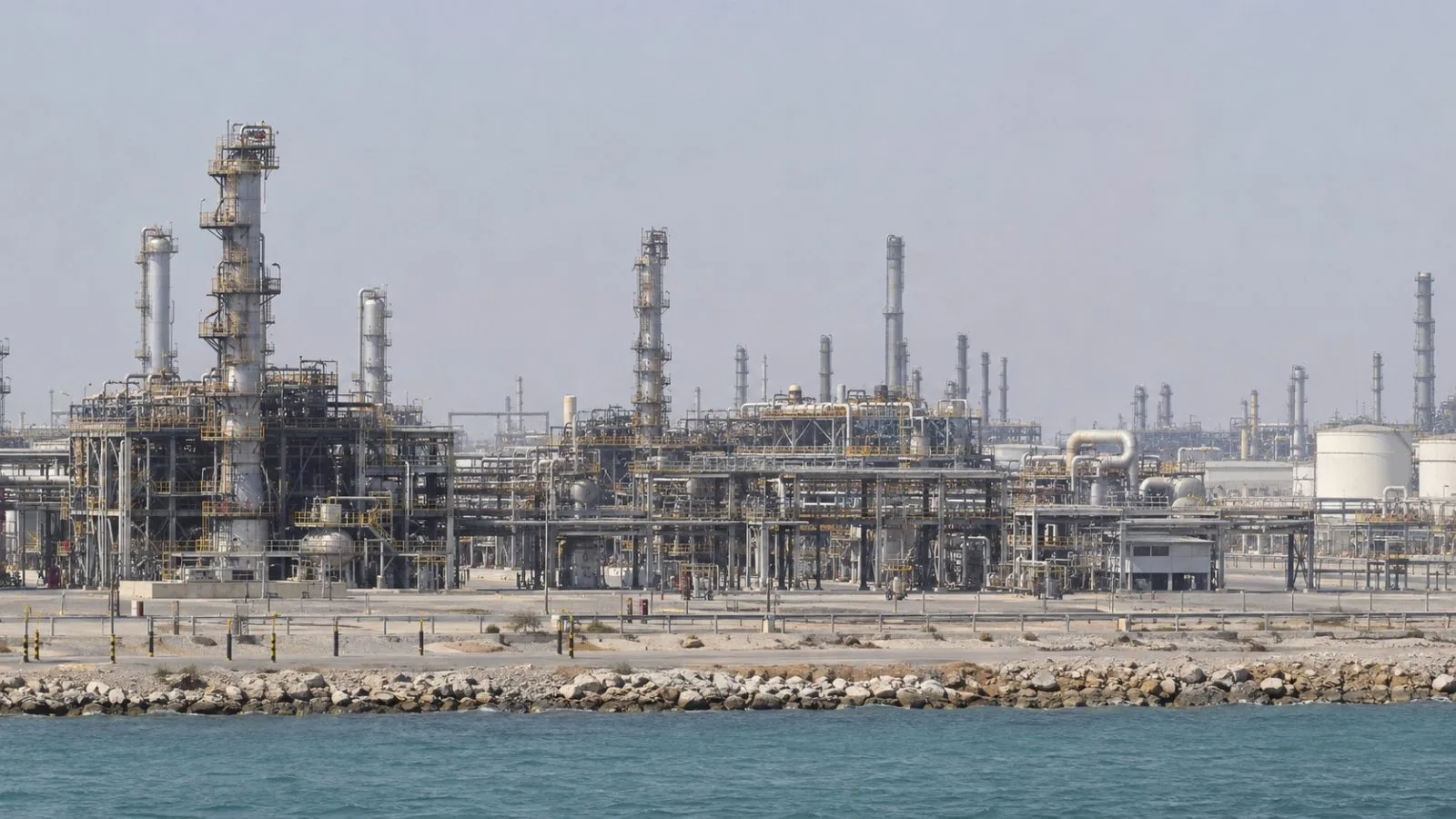
Rabobank’s baseline scenario assumes the conflict expands after the U.S. midterm elections, potentially affecting Gulf ports, pipelines or export terminals. Rabobank expects conditions to ease later, with higher production and alternative export routes helping bring prices down. The bank linked high transport and insurance costs to attack risks and the way Gulf oil is routed, including transfers off Oman, and said shrinking inventories would make a new supply interruption harder to absorb. EconoTimes previously covered Rabobank’s estimate that nearly 12% of global refining capacity was offline.
The EIA projected global inventories would grow by 3.5 million barrels a day in the first half of 2027 as supply exceeds demand. Recent data from the International Energy Agency (IEA), however, show that the October increase in observed stocks came from oil in transit. Total inventories grew by 52 million barrels, including an 86 million-barrel rise in oil at sea. Land-stored volumes fell again, leaving them at a level not seen since at least 2016, the IEA said. Global stocks were down 462 million barrels from their level when the war in Iran began.
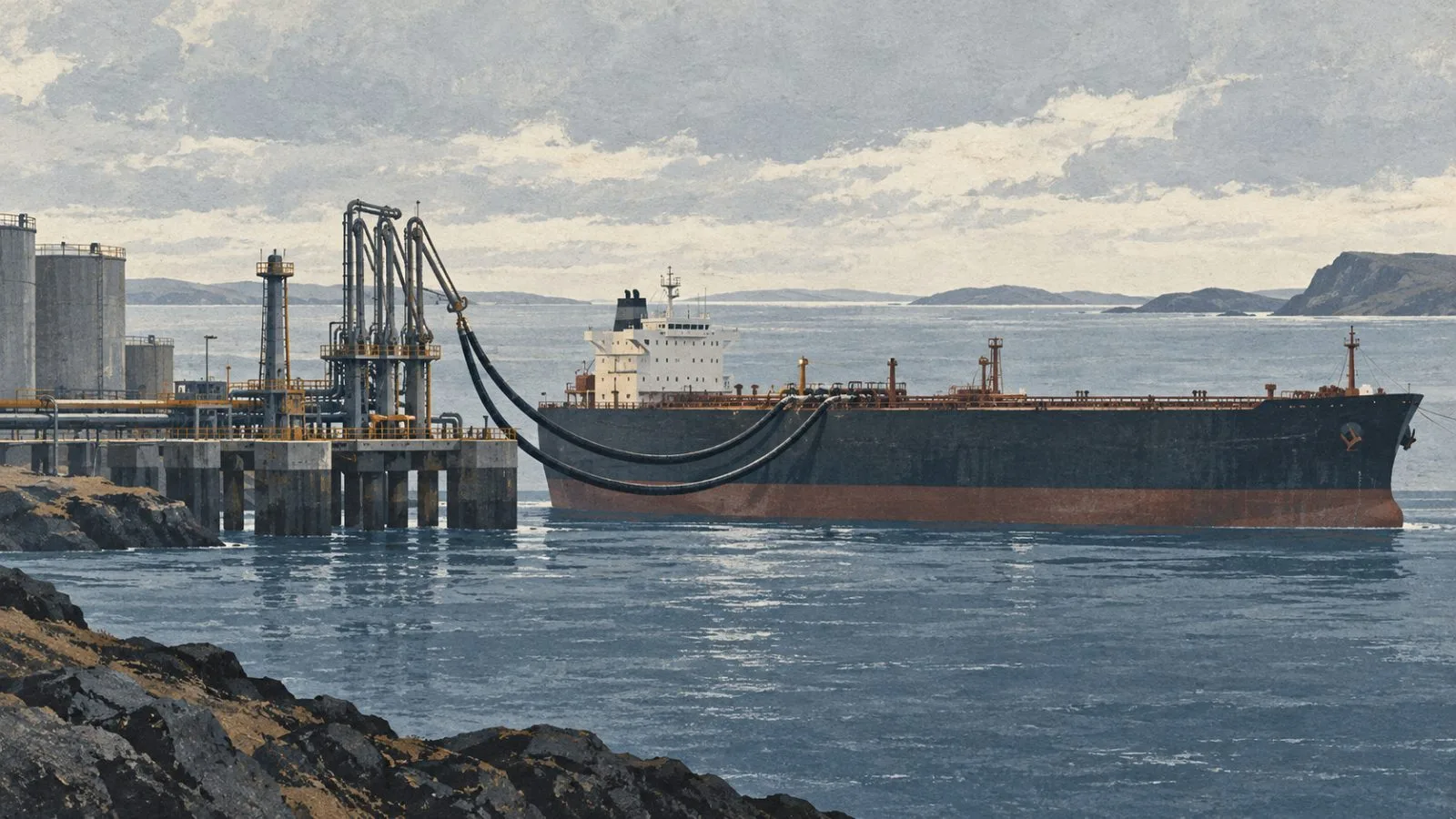
Gulf oil exports excluding Oman reached 18.4 million barrels a day in October, 26% below prewar levels, according to the IEA. Crude flows were 15 million barrels a day, or 82% of the prewar amount. North Sea Dated crude was about $93 a barrel at the time of the IEA’s Nov. 13 report, down from $136 on Oct. 8 but still $22 above its prewar level.
Near-record freight rates for Middle East-to-Asia crude shipments weighed on Asian refiners, the IEA said. U.S. refiners benefited from cheaper crude in October, although lower gasoline prices weighed on profits. European diesel was close to $180 a barrel, 77% above prewar levels. The EIA said Brent averaged $124 a barrel in October, its highest monthly average since July 2022, when the inflation-adjusted average was $127. Its next Short-Term Energy Outlook is scheduled for Dec. 8.