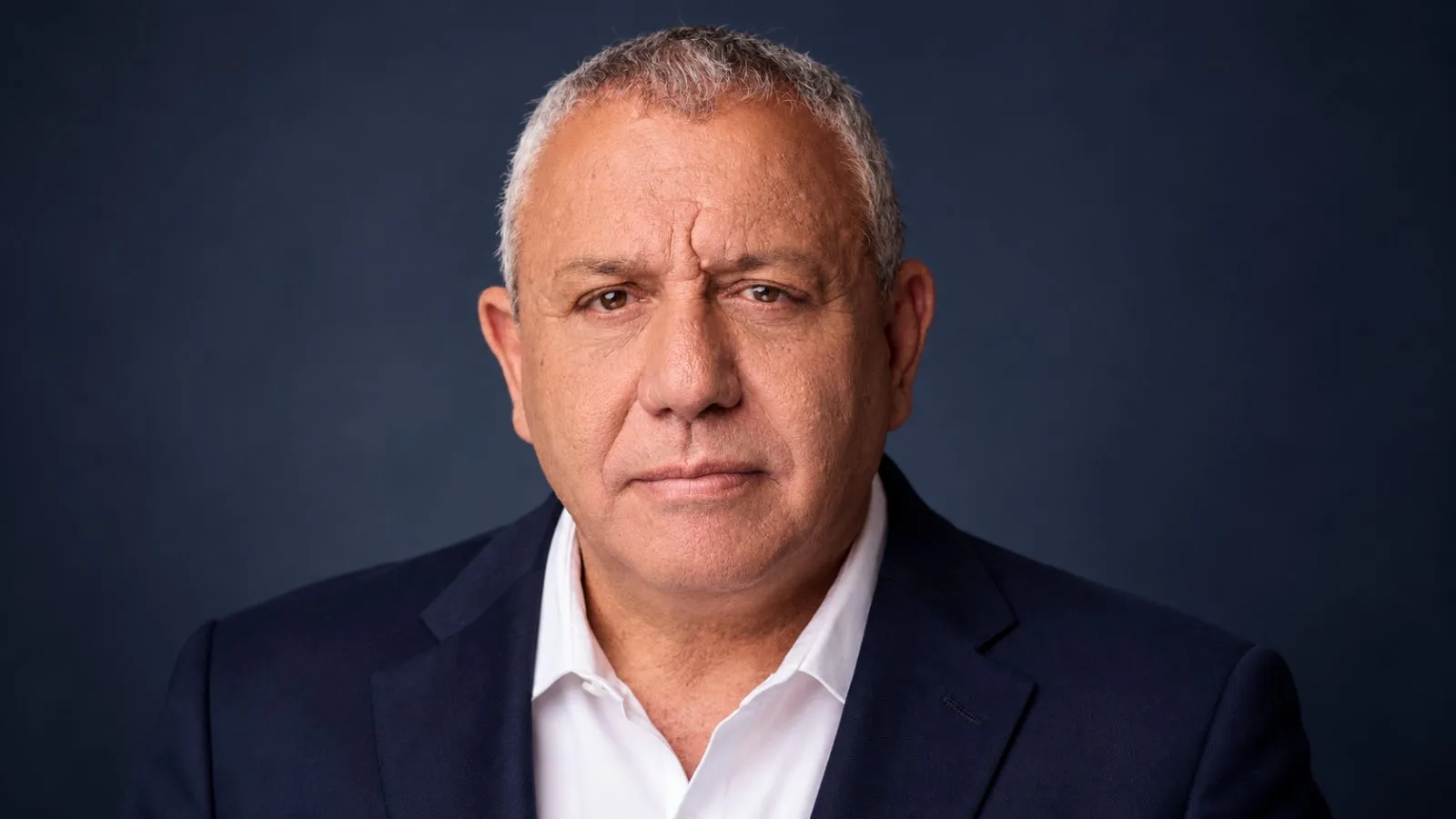
Former Israeli Prime Minister Ehud Olmert backed former military chief Gadi Eisenkot ahead of Israel's Oct. 27 parliamentary election, calling for new leadership while cautioning that policy might change little.
Olmert told Euronews that Prime Minister Benjamin Netanyahu's political fight could harm Israel. He described the election as an “inevitable battle about the future of Israel” and said the country was “on its way to become normal again.” Those remarks expressed his hopes for the country, not a prediction of the result.
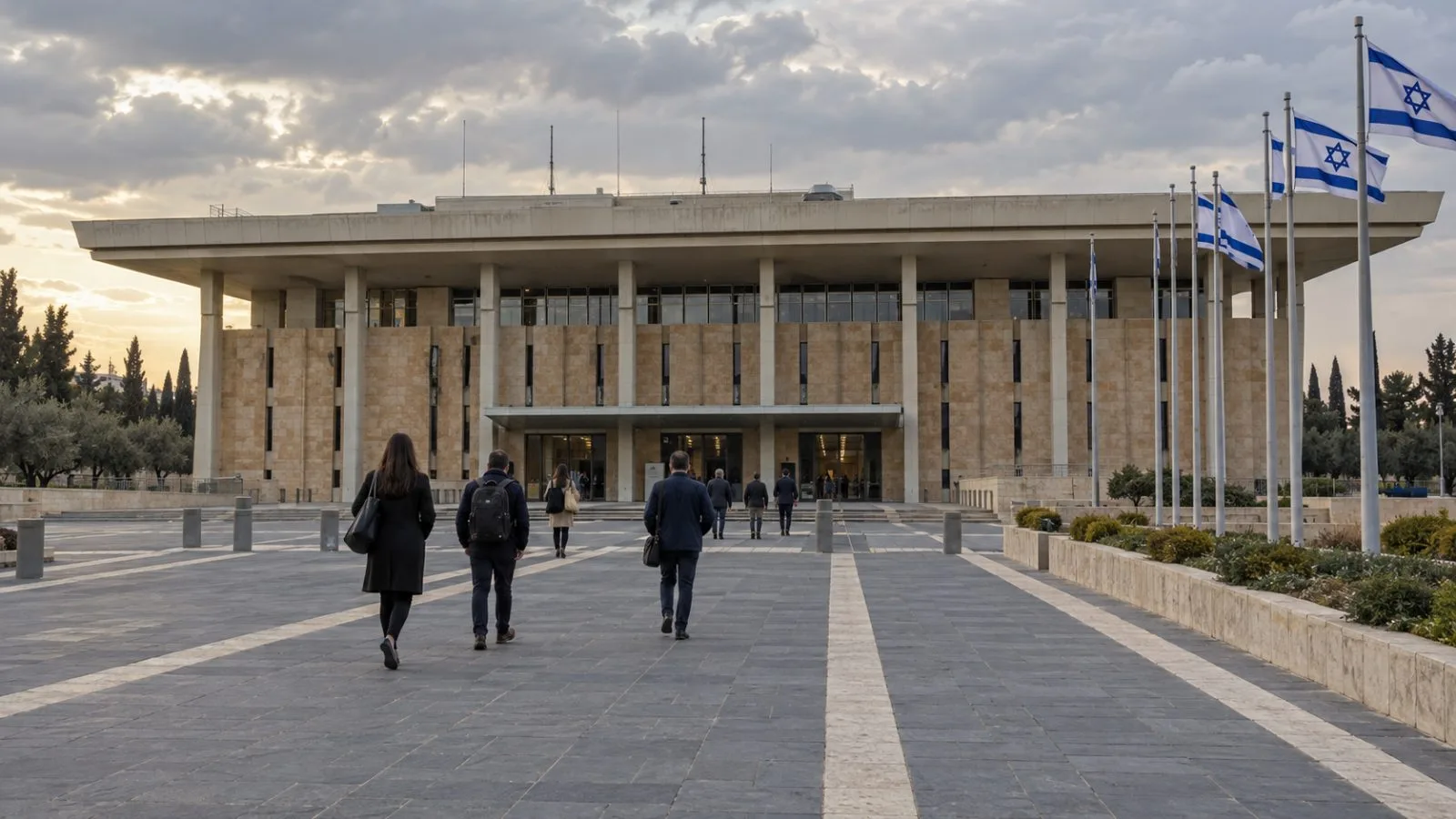
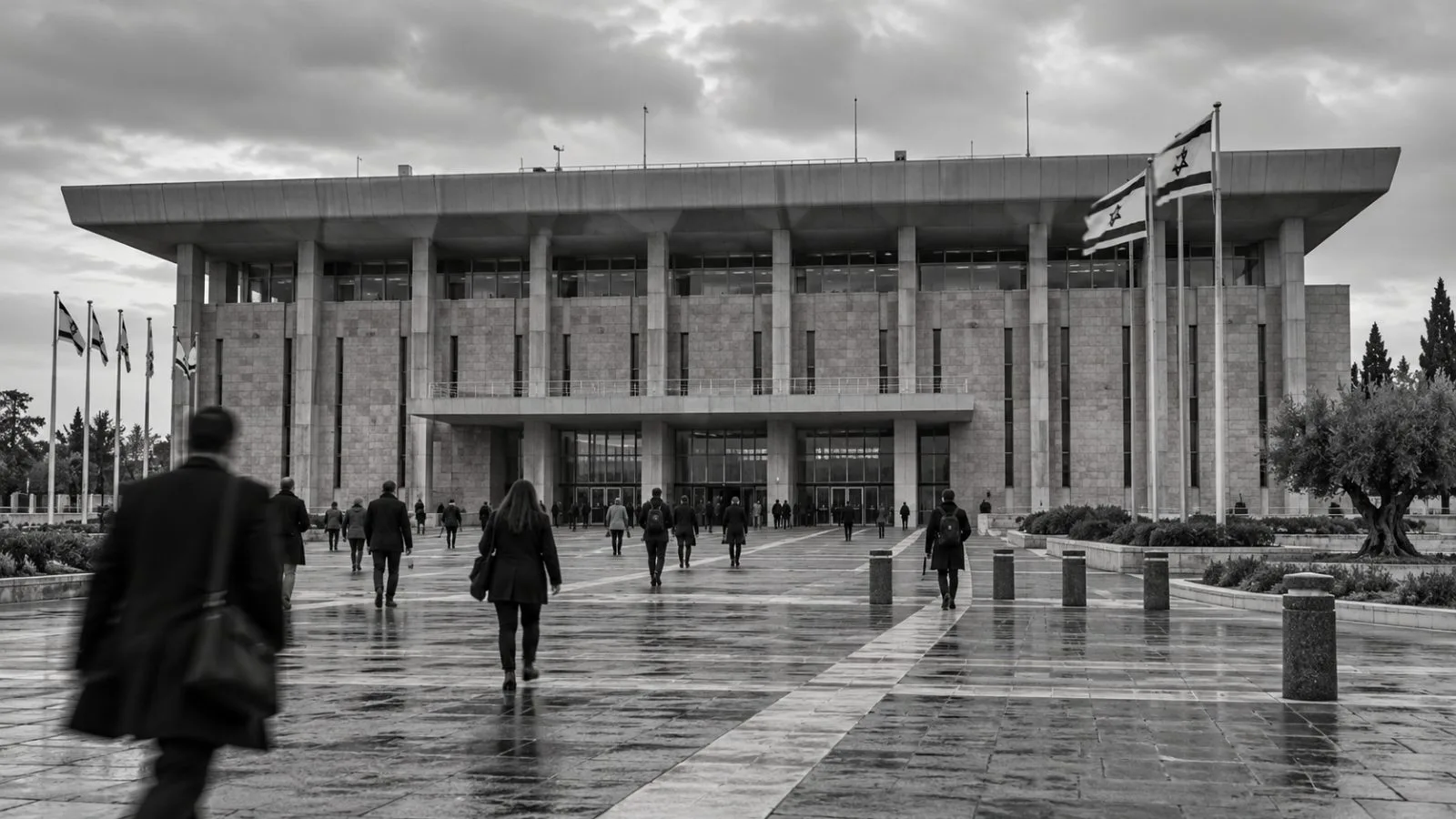
The Central Elections Committee has set Tuesday, Oct. 27, for the vote to choose the 26th Knesset, Israel's parliament. Euronews reported that it will be the country's first parliamentary election after the Oct. 7, 2023, attacks. The previous election took place Nov. 1, 2022, according to the committee's records.
Voters select party lists for the 120-seat Knesset; they do not elect the prime minister directly. Party lists must receive at least 3.25% of valid votes to enter parliament. The parties then seek a coalition capable of governing, making the distribution of seats central to the choice of Israel's next leader.
The campaign has also featured a dispute over Netanyahu's security record. His supporters regard his military response as a sign of resolve, while critics say the fighting has prolonged the conflict and harmed Israel's standing, AFP reported.
Eisenkot's Yashar! platform proposes an inquiry into the Oct. 7 attack and the conduct of the war. It also calls for national service across communities and measures to lower living costs. Under another proposal, people who serve and contribute would receive priority for housing benefits, tax credits and other government assistance. The platform gives no cost or funding source for those proposals, which have not been enacted.
Living costs are a voting concern for respondents in an Israel Democracy Institute survey conducted Aug. 31-Sept. 3. Among Jewish respondents, 38% placed the economy and cost of living among their top two considerations; among Arab respondents, the share was 46%. The survey covered 605 Jewish adults and 150 Arab adults.
The Central Elections Committee has scheduled publication of the results for Nov. 4, 2026, in Israel (UTC+2).