Oman has presented Iran with a Gulf-backed proposal to help manage shipping through the Strait of Hormuz, including a system of voluntary contributions from vessels, according to Reuters sources. The initiative aims to restore stability in one of the world's most important energy trade routes following months of disruption caused by the U.S.-Israel conflict with Iran.
The proposal would allow Oman and Iran to jointly oversee navigation in the strategic waterway rather than placing it solely under Iranian control. Under the plan, any payments from ships would remain voluntary, similar to the funding model used in the Strait of Malacca, where contributions support navigation safety, environmental protection, and search-and-rescue operations.
However, the United States has rejected any arrangement involving shipping tolls or transit fees. A U.S. official reiterated that the Strait of Hormuz is an international waterway and should remain open to unrestricted passage without mandatory payments or Iranian control.
President Donald Trump said "good talks" were underway with Iran but warned that the U.S. could resume military strikes if negotiations fail. Tehran, meanwhile, has denied seeking new talks with Washington, accusing the United States of violating an earlier framework agreement.
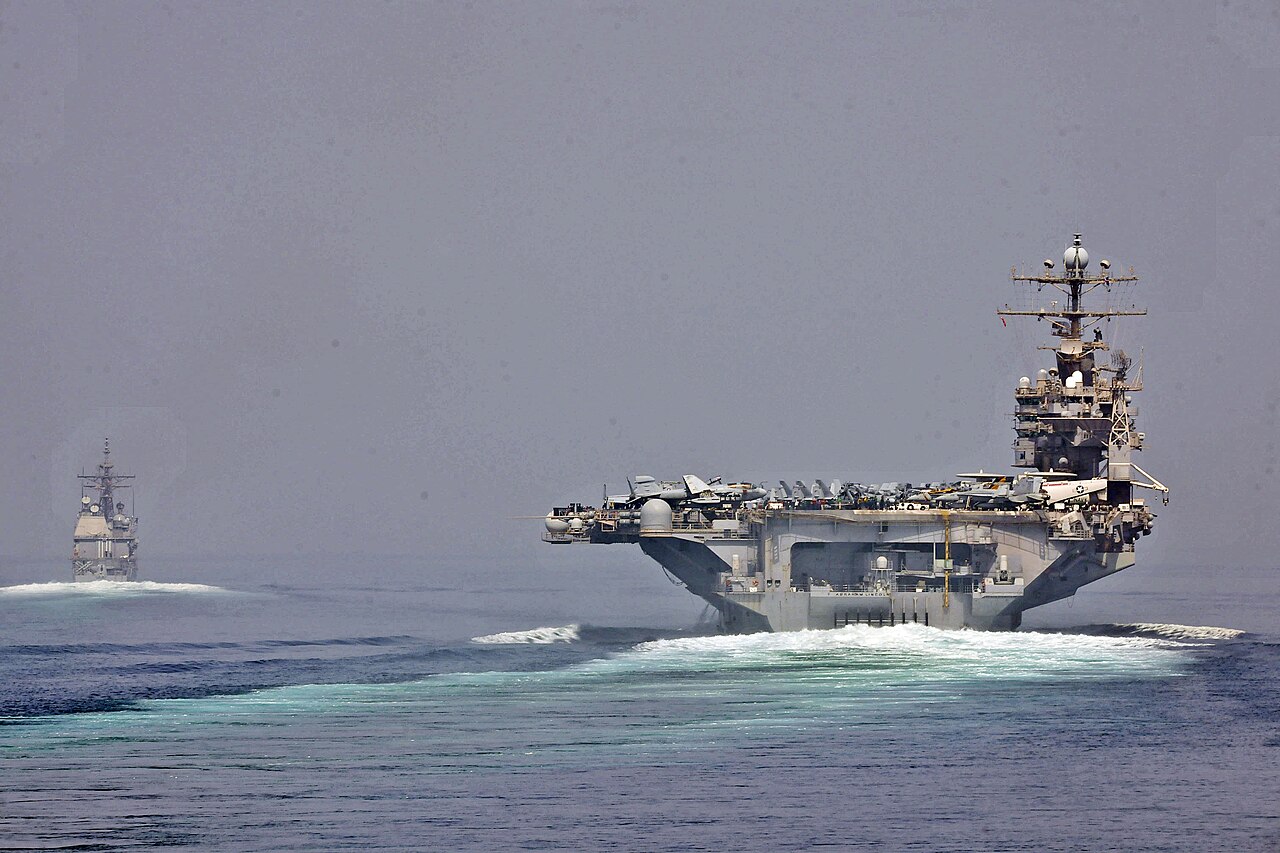
Security tensions remain elevated across the region. U.S. Central Command said it intercepted multiple Iranian ballistic missiles targeting American forces in the Middle East. Saudi Arabia also reported intercepting drones aimed at oil facilities, blaming Iran-backed militias operating from Iraq. Additional drone activity was reported in Jordan, Saudi Arabia, and northern Iran.
Iran has maintained that it wants to jointly manage the Strait of Hormuz with Oman while collecting service fees from ships. Tehran also rejected a separate proposal backed by Trump to compensate damaged vessels using frozen Iranian assets, warning that countries accepting such payments could face restrictions on passage.
The Strait of Hormuz handles roughly one-fifth of global oil and liquefied natural gas shipments, making any disruption a major concern for global energy markets. Following Trump's decision to halt a renewed U.S. bombing campaign and ongoing diplomatic efforts, oil prices extended recent declines, with Brent crude falling below $84 per barrel amid hopes of reduced geopolitical tensions.