Ontario estimates data-center grid-connection proposals could total more than 10,000 megawatts (MW), while a bill seeking a pause on AI facility construction and expansion has advanced in the legislature.
The Ministry of Energy and Mines made the estimate in a notice in the Environmental Registry of Ontario. The notice compares the cumulative proposals with recent peak electricity demand of about 25,000 MW. It does not break out AI facilities or say which proposals may be built.
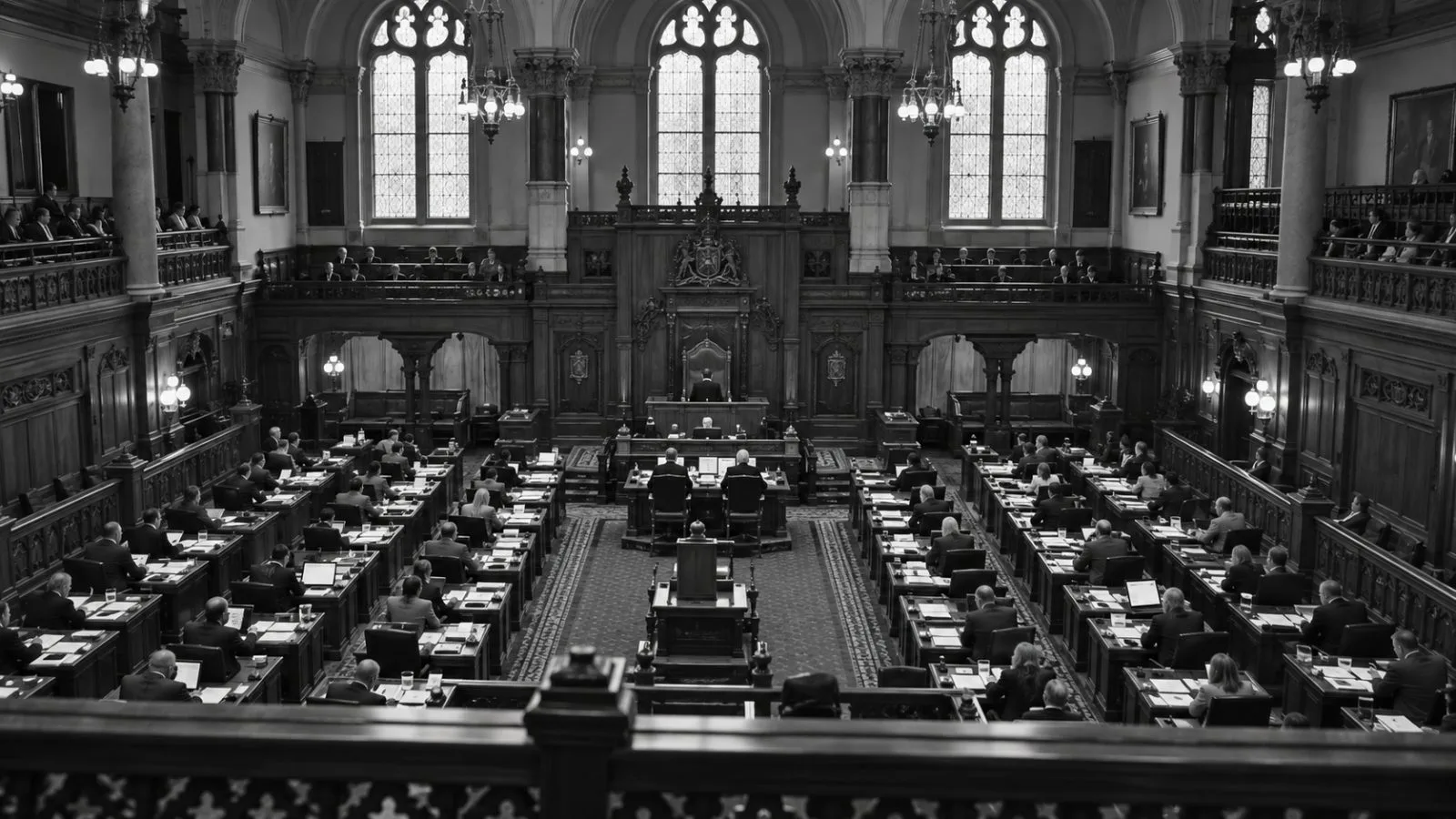
Green Party Leader Mike Schreiner introduced Bill 146, which passed first reading and was ordered for second reading on Tuesday, Nov. 3. The proposal would bar construction or increases in computing capacity at AI data centers until an advisory committee finds that changes to the law meet the bill’s objectives and lifts the moratorium.
Those conditions cover energy, water, noise and emissions, and include protections against transferring electricity costs to residents and businesses. Bill 146 is not law.
Ontario’s Bill 40 received Royal Assent in December 2025 and amended the Electricity Act to let the province set connection requirements for some large-load facilities. The Data Centre Playbook would set criteria for data-center grid connections, but the framework remains proposed.
The draft playbook would weigh economic development, digital sovereignty, community benefits and environmental considerations. Public comments ended Sept. 12, and Ontario’s 2026 fall statement continued to describe the framework as proposed.
Municipalities have also adopted temporary development controls. Mississauga approved a bylaw on Sept. 16 that bars new major digital infrastructure facilities, including data centers with peak demand of 10 MW or more, for up to one year. Oakville passed a one-year measure covering data centers and similar high-intensity digital facilities; the town said it had received no formal data-center applications when it announced the measure.
Ontario says data centers could bring investment, jobs and municipal revenue, and that operators should pay the full cost of their electricity. The municipal measures concern local development controls, while the provincial playbook addresses grid connections.
Separately, Global News reported that Ontario Minister of Economic Development, Job Creation and Trade Vic Fedeli said the government was assessing proposals and expected decisions “in the relatively near future.” Global News reported that Fedeli gave no timetable; his quoted remarks did not establish that every proposal was for an AI data center.
The legislative record lists no date for Bill 146’s second reading.