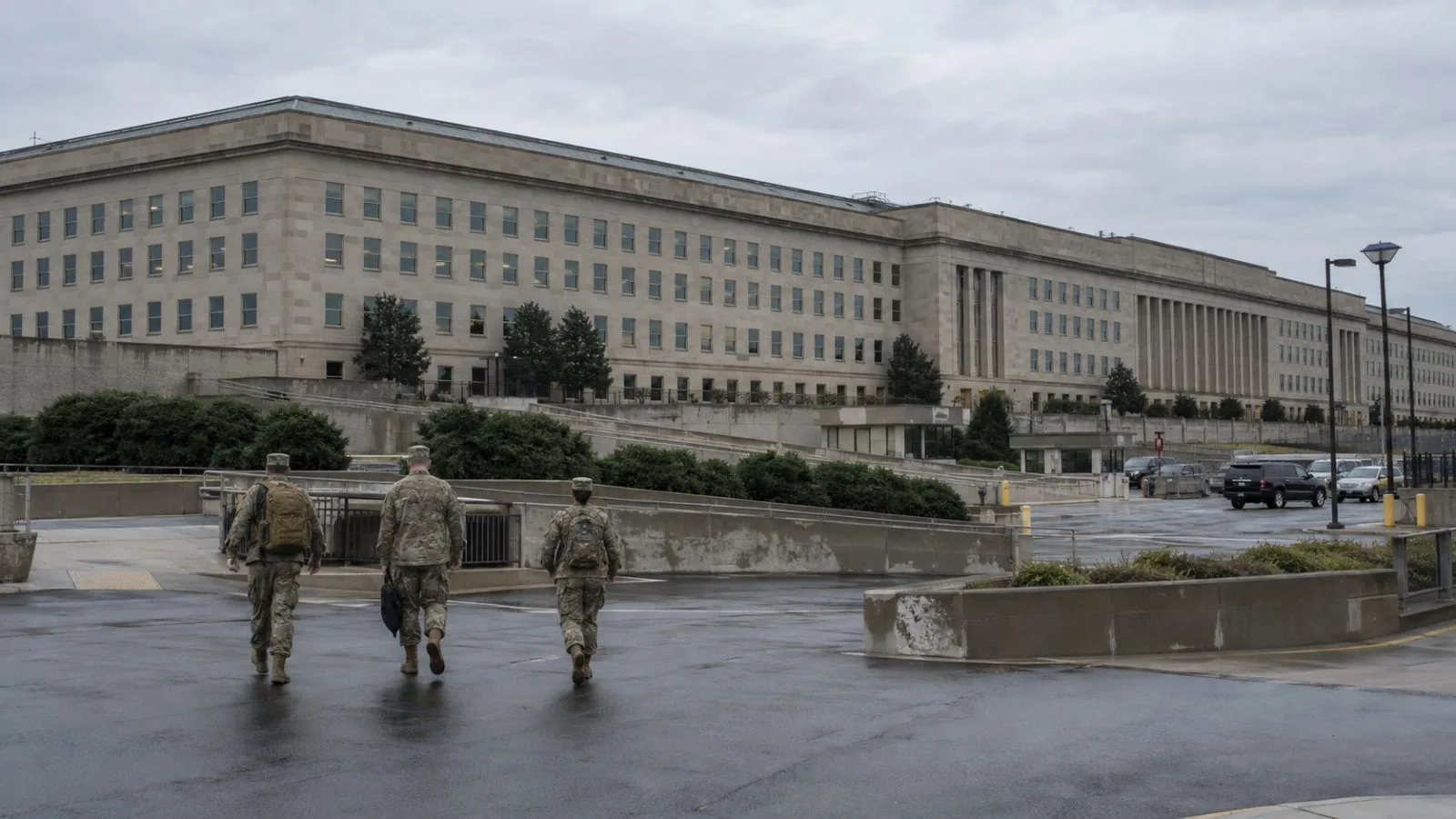
OpenAI CEO Sam Altman announced that the company is working with the U.S. Department of Defense (DoD) to update their existing agreement, reinforcing clear boundaries around how OpenAI’s technology, including ChatGPT, can be used. In a post shared on X (formerly Twitter), Altman stated that the revisions are designed to make the company’s principles “very clear” as its relationship with the Pentagon evolves.
According to Altman, one key addition to the agreement specifies that OpenAI’s services will not be used by U.S. intelligence agencies under the Department of Defense, such as the National Security Agency (NSA). He emphasized that any potential use of OpenAI technology by these intelligence entities would require a separate follow-on contract modification. This clarification aims to address public concerns about artificial intelligence deployment in sensitive national security operations.
The update follows OpenAI’s recent announcement that it will deploy its AI technology within the Defense Department’s classified network. The partnership marks a significant step in integrating advanced artificial intelligence tools into government systems while maintaining strict oversight and compliance with established ethical guidelines.
OpenAI has consistently stated that it prioritizes responsible AI development and transparency, especially when working with government agencies. By formally defining the scope of its agreement with the DoD, the company seeks to ensure its AI services are used in alignment with its published safety and usage policies.
As artificial intelligence adoption expands across federal agencies, this updated agreement highlights the growing intersection between AI innovation and national defense. It also underscores OpenAI’s effort to balance technological advancement with accountability, particularly in high-stakes environments such as defense and intelligence operations.