Pakistani exporter Mansour Ilahi's revenue share from Afghanistan and Central Asia fell to 5% after a year-long border closure disrupted access to his markets, CNA reported on Oct. 22.
Those markets previously accounted for 80% of his revenue. The closure has hurt businesses selling to Afghanistan and traders using the country to reach customers farther north in Central Asia.
Trade stopped in October last year following deadly clashes along the Afghan border. The disruption has spread beyond exporters to transport companies, workers and customs clearing agents whose businesses depended on goods crossing between the two countries.
At a pharmaceutical factory in Hayatabad, Peshawar, production has continued despite uncertainty over where its medicines will go. About 70% of the medicines packed there were intended for Afghanistan and Central Asia, the company said.
Pharmaceuticals are Pakistan's biggest export item to Afghanistan. The manufacturer is trying to increase domestic sales to make up for the loss of access to customers across the border.
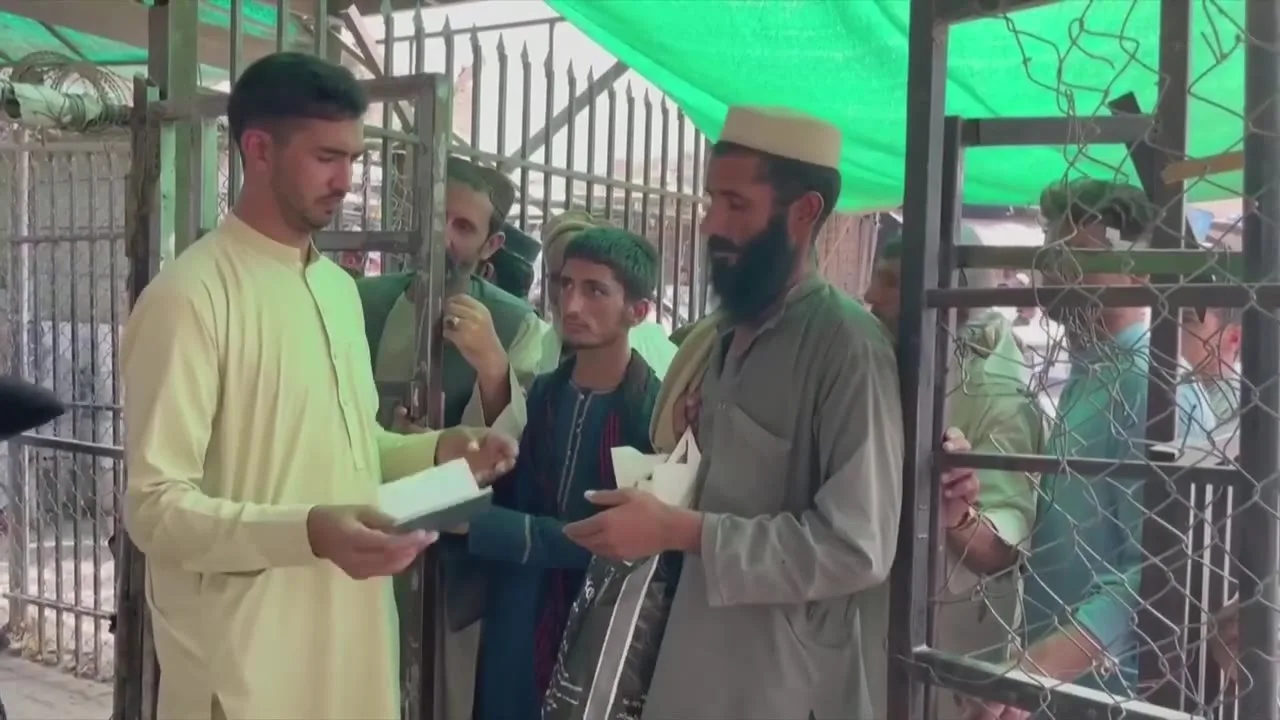
The factory is just 60 kilometres from the Torkham crossing, a major route for goods moving between Pakistan, Afghanistan and Central Asian countries. Business groups estimated that lost trade since the closure exceeded $2.5 billion.
Ilahi exports rice, meat, citrus fruits and potatoes. He described a disruption that reached across the businesses and workers involved in trade between Pakistan and Afghanistan.
“It was shocking not for me but for everybody,” Ilahi said. He is seeking alternative routes to his markets, but reaching those customers has become more difficult since the border shut.
A truck depot that previously handled about 40 to 50 trucks a day carrying goods from across Pakistan to Afghanistan now has no business. Trucks have remained idle as transport companies seek other ways to reach Central Asia.
One alternative sends trucks through Iran, requiring a journey of nearly six weeks. The route passes through Balochistan, where security threats add to the difficulties, and costs much more than the journey through Afghanistan.
Pakistan closed the border in response to cross-border militant attacks that Islamabad says originated in Afghan territory. Kabul denies the allegations. Pakistan's government says trade will not resume unless the Taliban administration takes action against militants.
Pakistani business groups want the two sides to resolve their differences through talks. The border remains closed, with no clear indication of when the dispute will end or when exporters will regain access to their former routes.