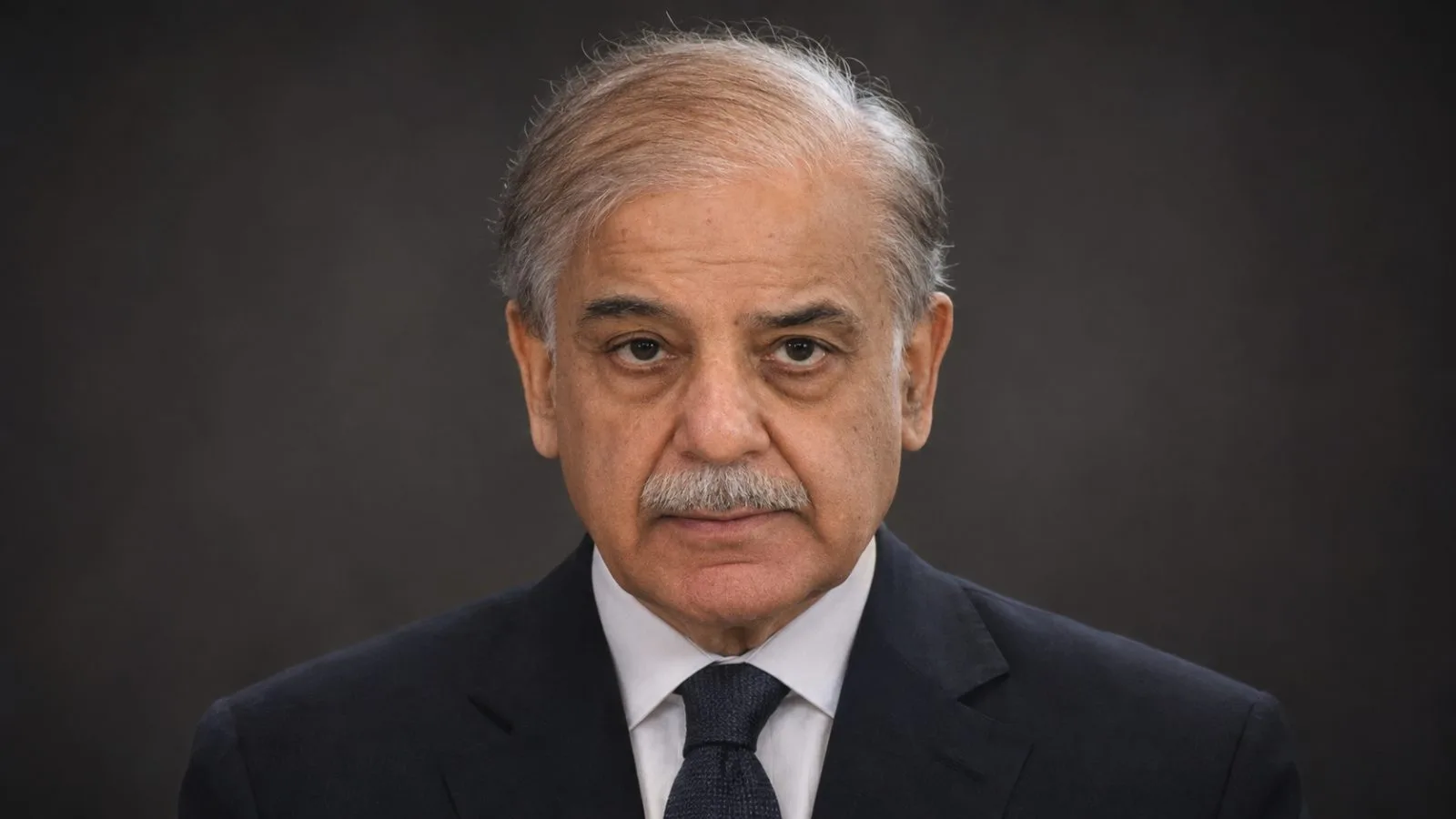
Pakistan Prime Minister Shehbaz Sharif urged investors to expand mineral processing and manufacturing at home, tying that push to his view that the country could become the world's sixth-largest economy before 2050.
Speaking at the Pakistan Minerals Investment Forum in Islamabad on Nov. 13, Sharif said the ranking could come sooner than Goldman Sachs' long-range projection, Radio Pakistan reported. The two-day forum ran Nov. 12-13, according to its agenda. Radio Pakistan quoted Sharif urging companies to “mine in Pakistan, process in Pakistan, manufacture in Pakistan and then export to the rest of the world.” Dawn separately quoted him calling the 2050 timeline a “small amendment” to the 2075 projection.
Goldman Sachs' 2022 report, The Path to 2075: Slower Global Growth, But Convergence Remains Intact, ranks Pakistan sixth in 2075 if it develops appropriate policies and institutions. Published Dec. 6, 2022, the report points to rapid population growth as one factor in Pakistan's potential to become one of the world's largest economies.
Its 2050 table lists China, the United States, India, Indonesia and Germany as the top five economies. The ranking compares gross domestic product in U.S. dollars, with projected output expressed in real 2021 dollars. Sharif's earlier timeline was his own expression of confidence, not a revision to the Goldman Sachs report.
At the forum, Sharif called for domestic refineries, smelters and factories for cables and conductors. He also urged Pakistan's federal and provincial governments to coordinate support for investors, with the aim of keeping more mineral processing and manufacturing in the country before export.
Radio Pakistan reported that Sharif said mining projects should bring local jobs, businesses and contracts, as well as schools, clinics and clean drinking water for nearby communities. He described these as goals for communities around projects, not benefits already delivered.
Radio Pakistan reported that production at the Reko Diq copper and gold project was expected to start in 2028.