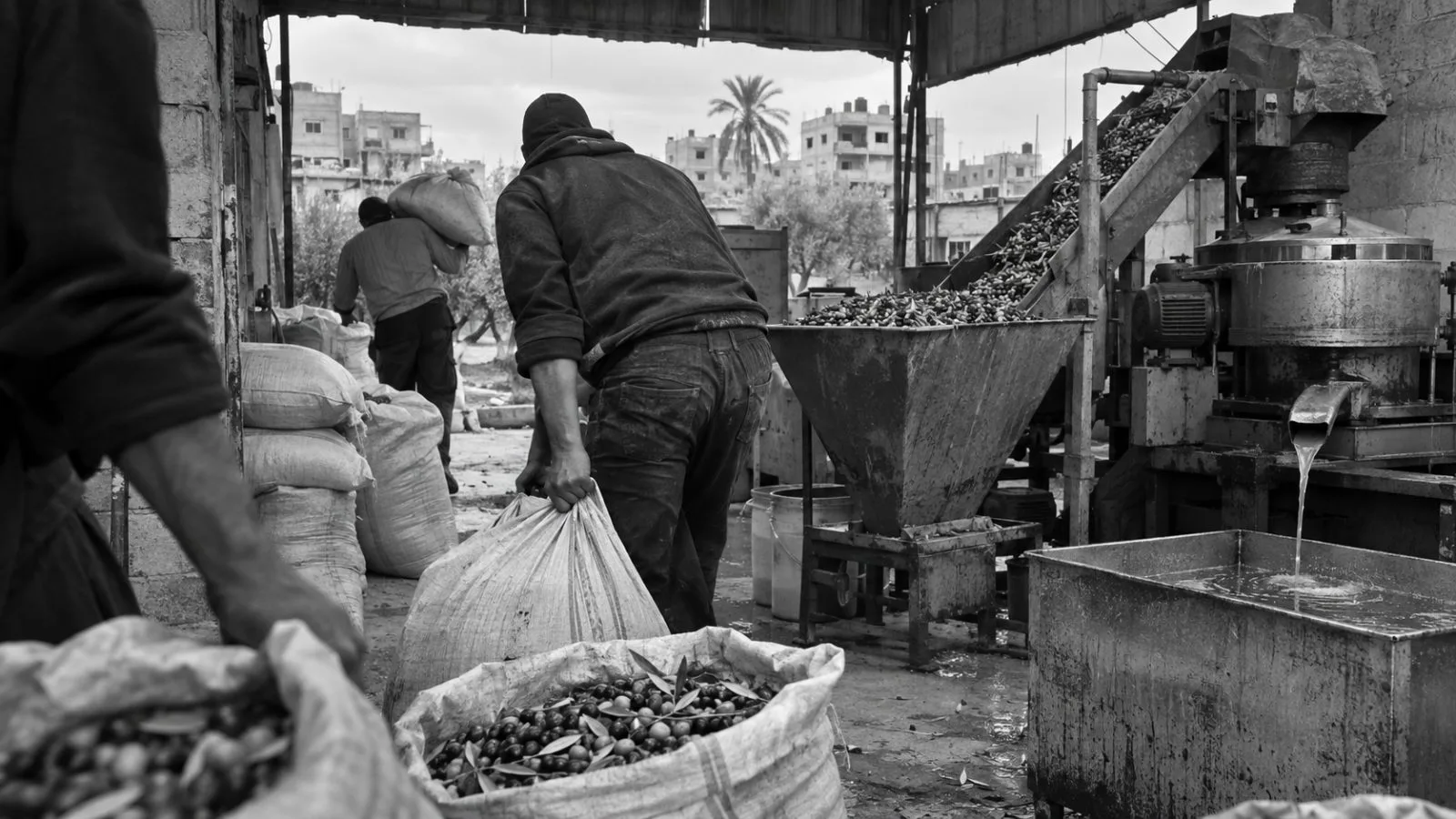
Gaza’s olive harvest faces tree losses and farmland restrictions, while shortages of supplies and equipment constrain presses farmers need to process olives from groves they can still reach.
The Palestinian Ministry of Agriculture said Oct. 31 that about 1.62 million of Gaza’s nearly 1.8 million olive trees had been destroyed or uprooted.
As of June 24, only 448 hectares of Gaza cropland were both accessible and undamaged, or 3% of the total, according to an assessment by the Food and Agriculture Organization of the United Nations (FAO) and the U.N. Satellite Centre (UNOSAT). Another 3,643 hectares could be reached but were damaged and needed rehabilitation before cultivation could resume.
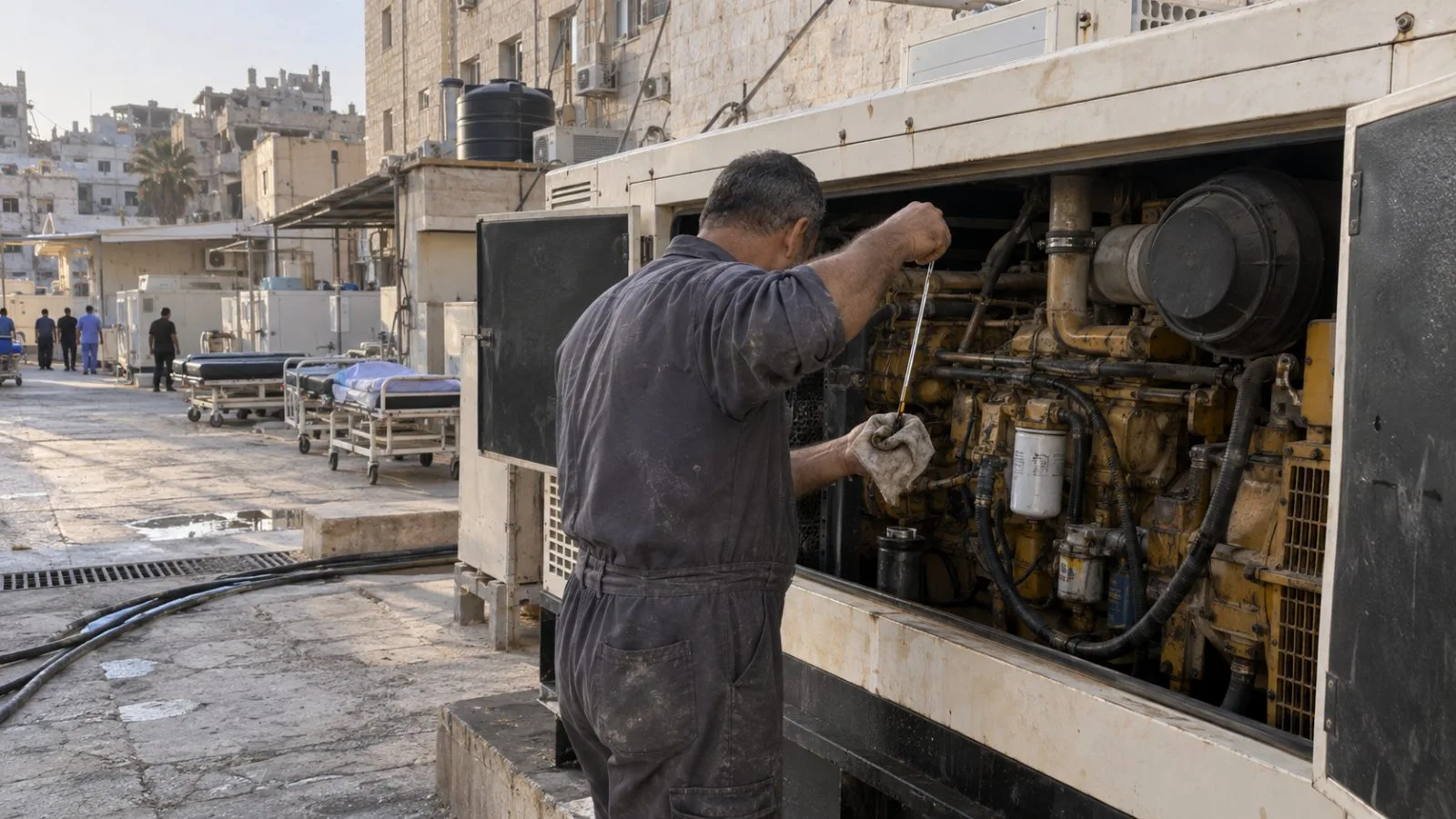
FAO and UNOSAT said access restrictions were the main factor behind the decline in available farmland since October 2025, as the Yellow Line extended westward. An Oct. 15 situation report from the U.N. Office for the Coordination of Humanitarian Affairs (OCHA) said farmland restrictions and shortages of agricultural supplies, engine oil and spare parts were constraining farm work and the operation of Gaza’s remaining olive presses.
The National described the harvest as both a family gathering and a source of income for Gaza residents. Saed Abu Baraka, 45, told the outlet that his family used to spend four days picking olives from its 17-dunam (1.7-hectare) grove. He said much of the land now lies beyond the Yellow Line, and his family took its olives to Nuseirat for pressing, where it waited two days.
“We tried to bring back some of the atmosphere that reminded us of life before the war,” Abu Baraka told The National.
Ayman Al Shandaghli told The National that prices limited what he could buy this season. He said he could afford six ratls of olives and three liters of oil, compared with at least 30 ratls and two large tins before the war. A ratl of Suri olives cost 60 shekels (about $19), up from 20 shekels, he said, while a liter of oil cost as much as 120 shekels, up from 30.
Agriculture Minister Rizq Slaimiya described the olive tree as a symbol of Palestinian identity and heritage. “Our olives are here, and we are here; there is no alternative,” he said.