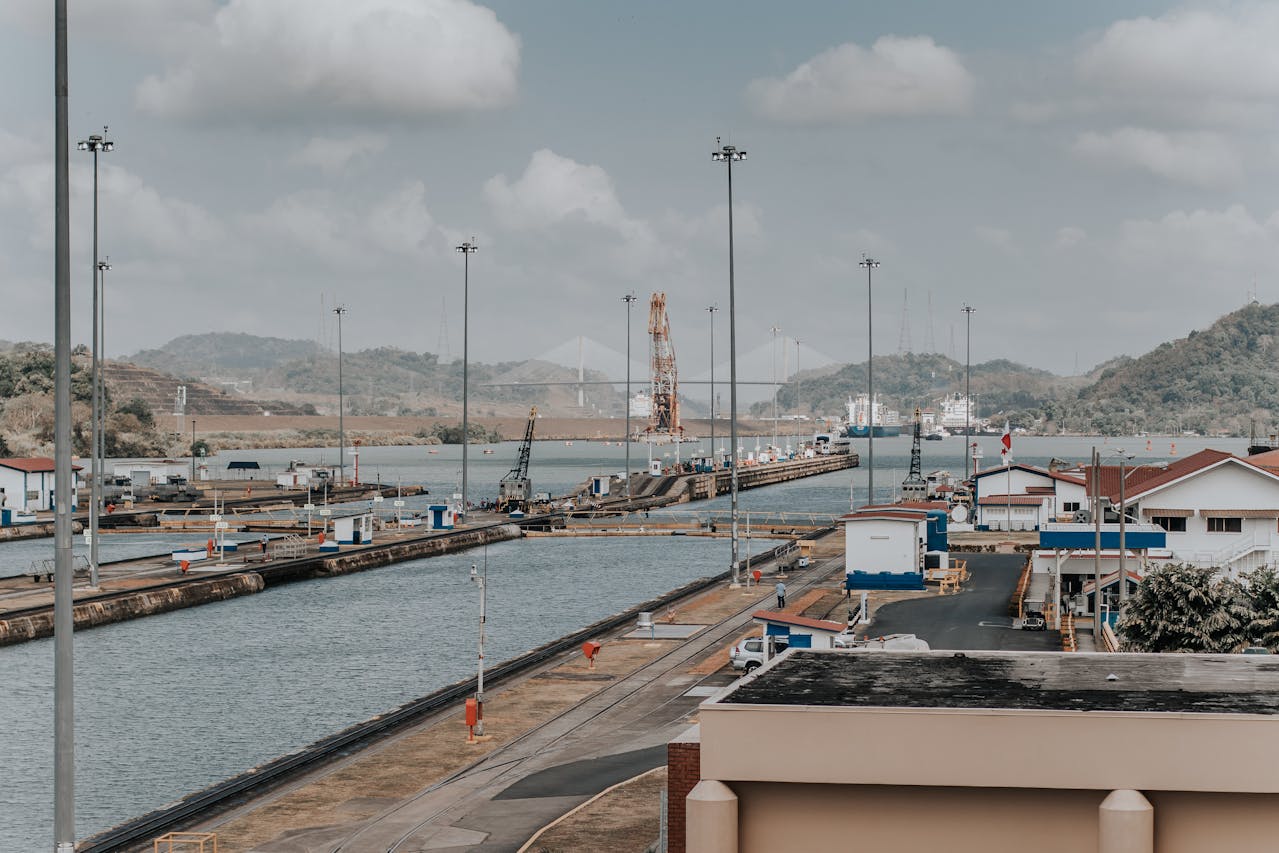
The U.S. Department of State announced Wednesday that Panama will no longer charge fees for American government vessels using the Panama Canal.
"The government of Panama has agreed to no longer charge fees for U.S. government vessels to transit the Panama Canal," the department stated on X, highlighting the move's potential to save millions of dollars annually.
The Panama Canal Authority has yet to comment on the decision. The announcement follows U.S. Secretary of State Marco Rubio’s meeting with Panama’s President Jose Raul Mulino during his visit to Central America.
Panama has drawn attention from the Trump administration, with President Donald Trump accusing the country of imposing excessive tolls. Trump recently warned that failure to uphold the agreement could lead to demands for the canal's return to U.S. control.
"If the principles, both moral and legal, of this magnanimous gesture of giving are not followed, then we will demand that the Panama Canal be returned to us, in full, and without question," Trump stated last month.
Mulino dismissed Trump’s remarks, affirming Panama’s sovereignty over the canal. The United States originally built and controlled the strategic waterway for decades before signing treaties in 1977 to transfer control. The full handover was completed in 1999 after a period of joint administration.
The Panama Canal remains a crucial passage for global trade, facilitating the transit of thousands of vessels annually. This new agreement underscores the ongoing diplomatic and economic ties between the U.S. and Panama, potentially easing tensions over transit costs while reinforcing strategic relations.