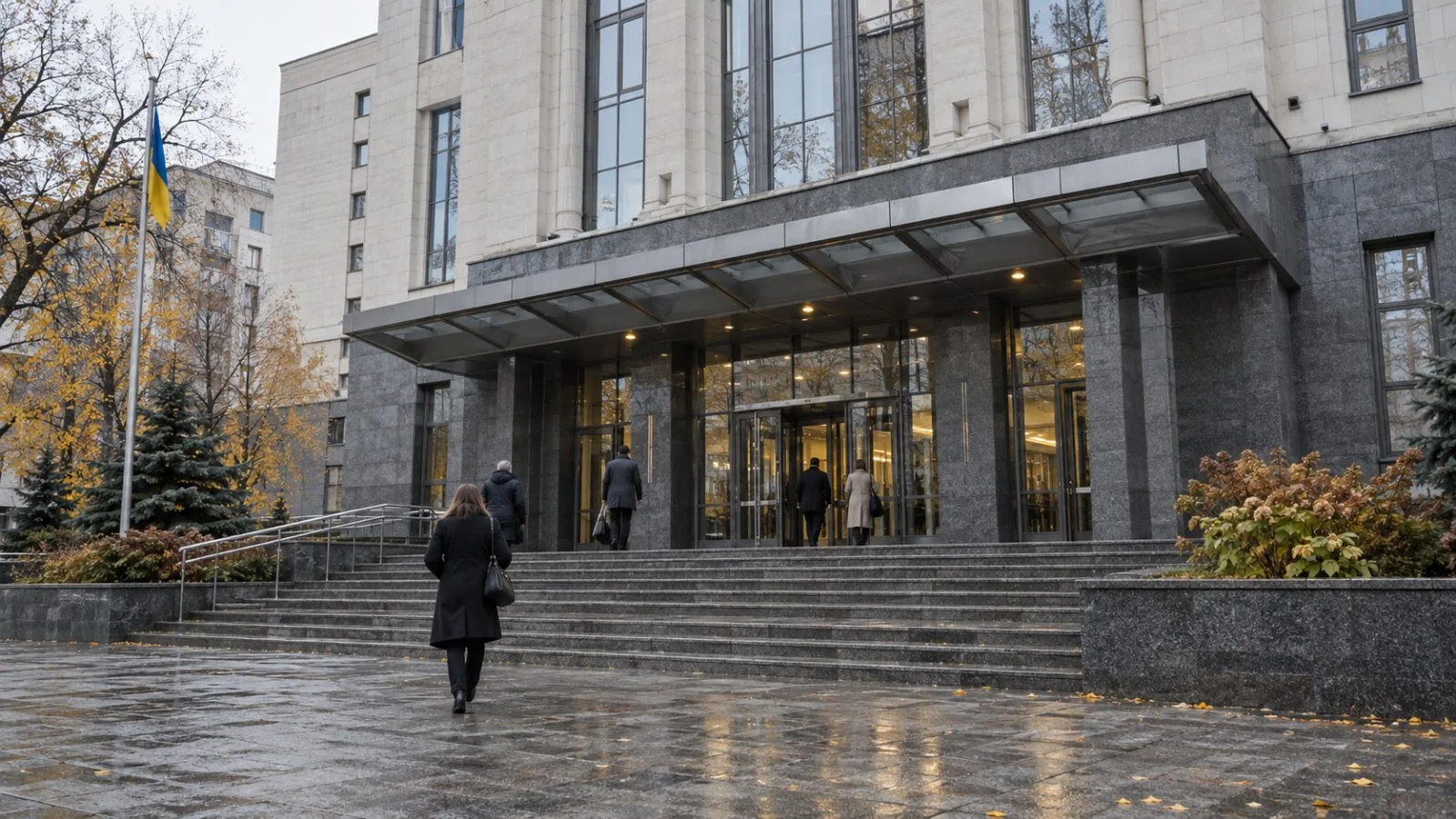
The Instituto de Terras do Pará (ITERPA), Pará’s land agency, ordered 967.5264 hectares excluded from Alto Acará’s collective title and estimated that 11,441.8736 hectares would remain after a corrected title and registry update.
Published in the state’s official gazette June 16, the order reduces a title that covered 12,409.4000 hectares. It identifies the land associated with Dezenove do Maçaranduba, also called Cachoeira, for removal and directs ITERPA to issue a corrected title and update the land registry.
The Association of Farmers and Rural Producers of 19 do Maçaranduba (AASPROM) requested the change, arguing that residents had not received adequate notice or agreed to their area’s inclusion in the collective territory. ITERPA said residents supported the exclusion during an agency inspection.
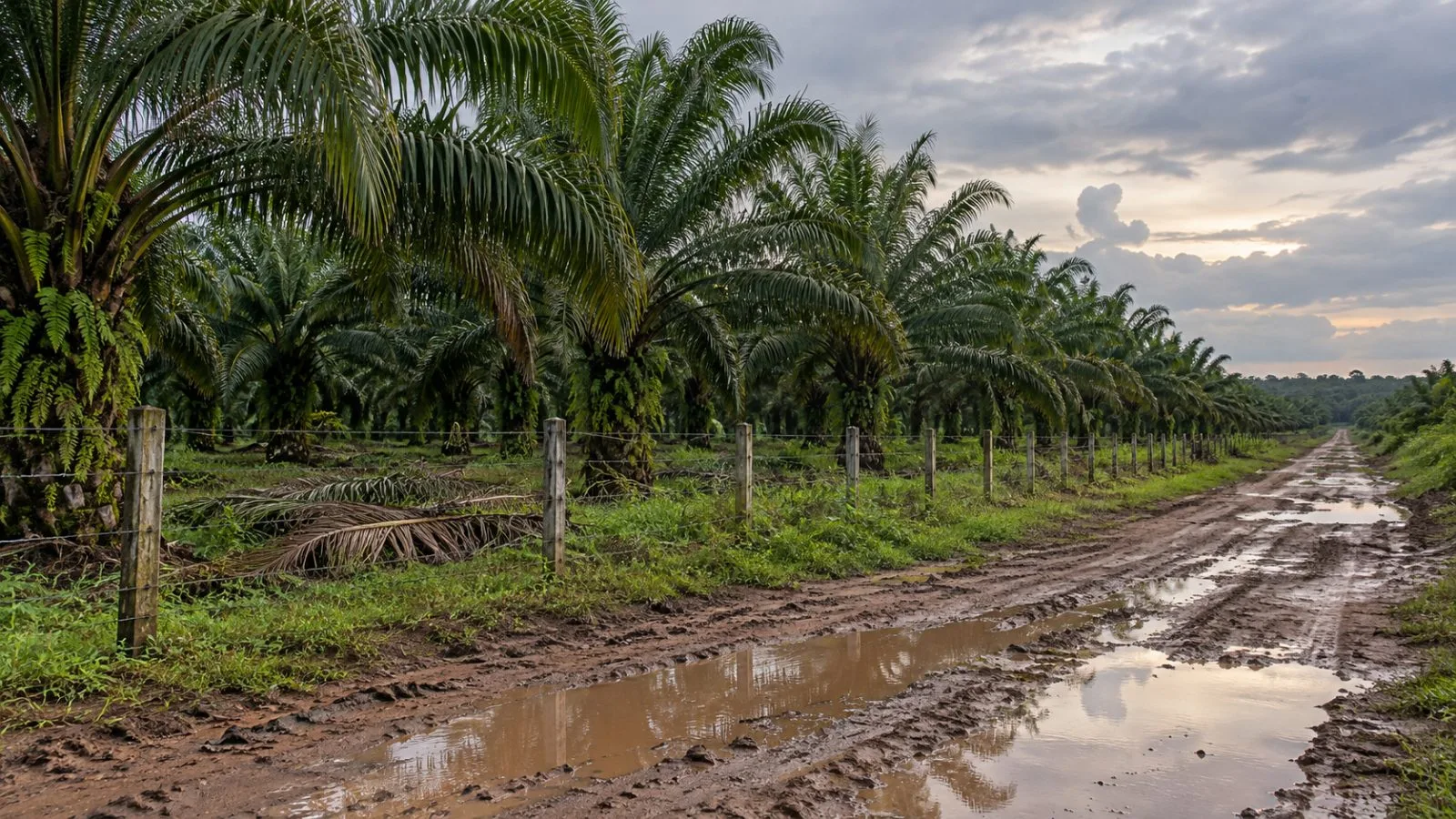
A Guardian investigation published Oct. 22 put the number of quilombola residents involved at about 2,300; it said they now control close to 32,400 hectares once cultivated by Brasil BioFuels (BBF). The report traced the campaign to Feb. 24, 2022, when residents locked a company gate and began a blockade, later adding checkpoints.
Article 68 in the transitional provisions of Brazil’s Constitution gives qualifying descendants of quilombo communities who occupy their lands a right to definitive ownership and directs the state to issue titles. At a 2022 public hearing, the Federal Public Prosecution Service (MPF) said the National Institute for Colonization and Agrarian Reform (INCRA) had found overlapping land claims. The MPF said budget shortages stalled a land-regularization process that began in 2014.
The MPF’s 2024 administrative record logged Indigenous and quilombola communities’ allegations that BBF plantations overlapped traditional lands and affected water, soil and food. It also recorded BBF’s claim that it owned the land. In a 2022 response, the company denied intimidating residents or blocking their access and said it followed environmental rules. The Guardian reported that palm oil produced in the region is used for biofuels and a range of foods.
Quilombola leader Josias Dias dos Santos, known as Jota, told The Guardian that residents use mobile phones to learn their rights and report incidents, giving them “a chance of staying alive.” ITERPA’s order sets no completion date for the corrected title or registry update.