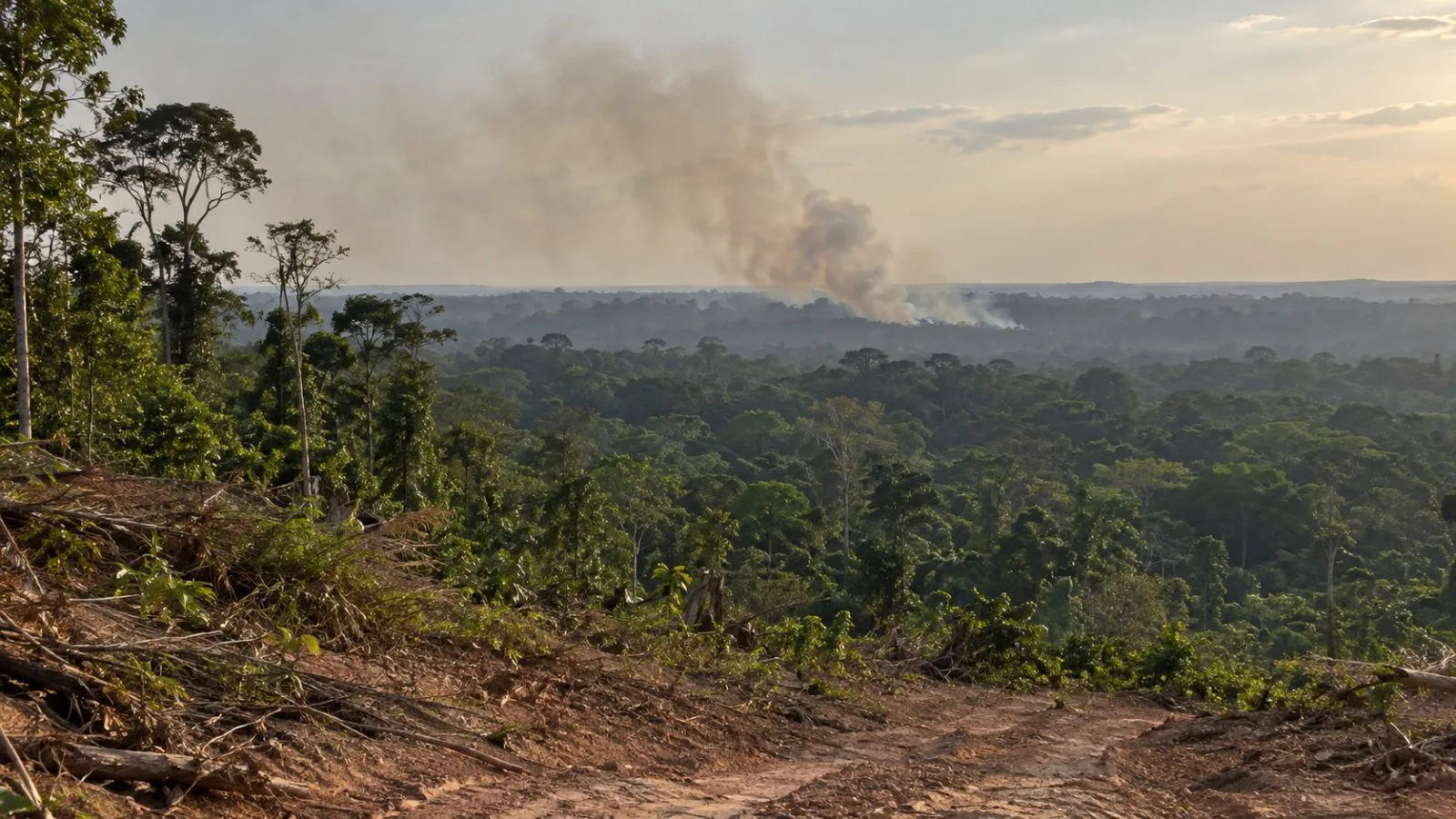
Illegal gold mining is poisoning rivers and fish used by Brazil’s Munduruku people, the documentary says, as soaring gold prices push miners farther into the Amazon and threaten entire communities.
Al Jazeera’s Fault Lines documentary, published Nov. 20, details mercury pollution associated with illegal mining in Indigenous territory. Miners use mercury during gold extraction, allowing contamination to spread through waterways and into the food chain.
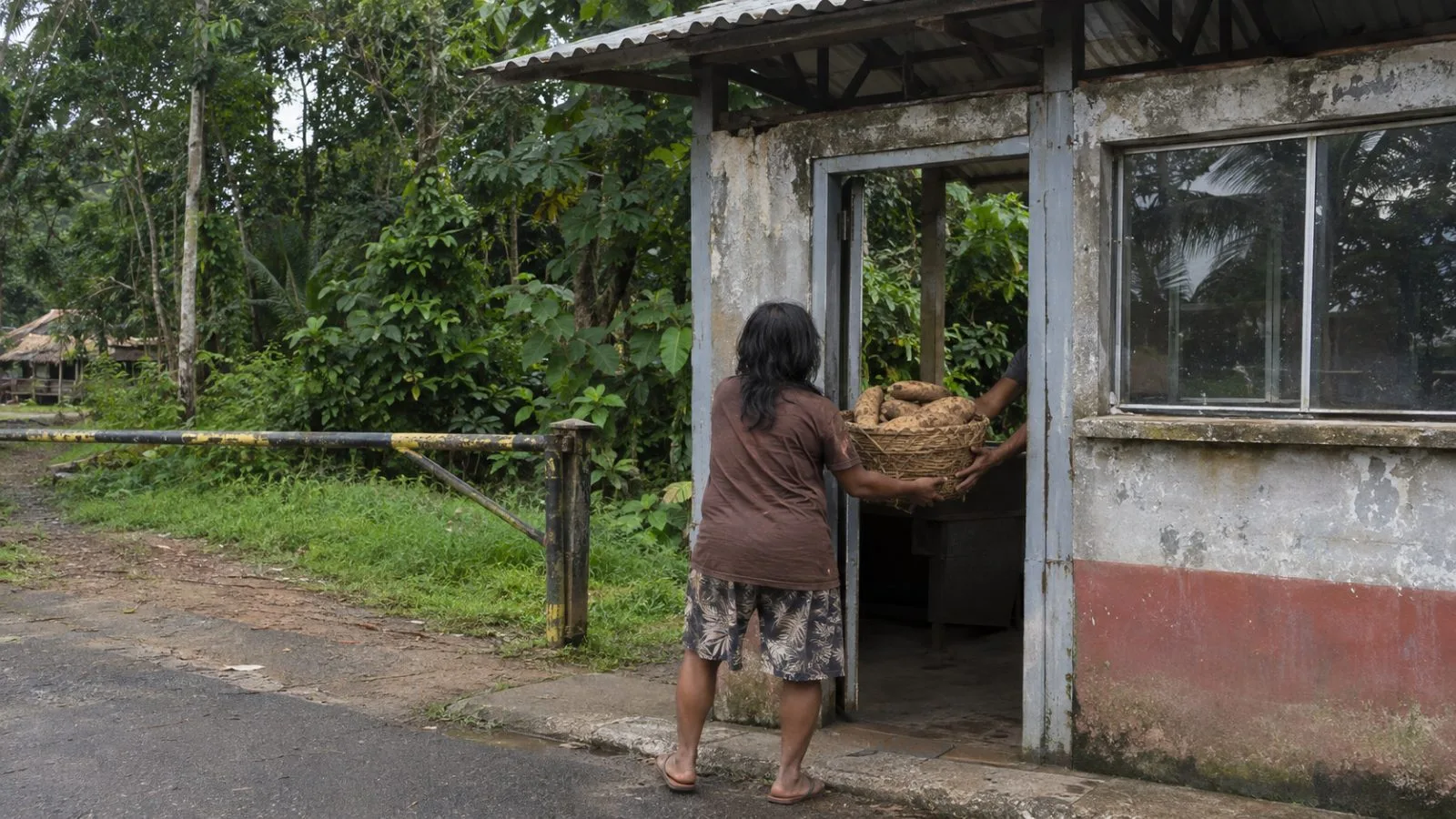
The film follows Munduruku families confronting the health consequences of mining while trying to defend their land. It says fish that sustain local communities have become poisoned with mercury.
The program shows an illegal mine and interviews a researcher tracking contamination among Indigenous communities. It also features a federal prosecutor working to disrupt the trade in mercury used by miners.
The investigation examines why illegal mining continues despite government crackdowns and how global demand for gold shapes the risks. Indigenous communities and the surrounding environment bear the documented costs, while authorities face difficulties protecting territory from illegal extraction.
The documentary also highlights the challenge of enforcing protections in a region where mining activity continues to threaten waterways, food supplies and community health.