Australian Sen. David Pocock urged community-backed independents to coordinate before the next federal election and proposed a 25% gas export tax, linking a bid for greater parliamentary influence to funding public services.
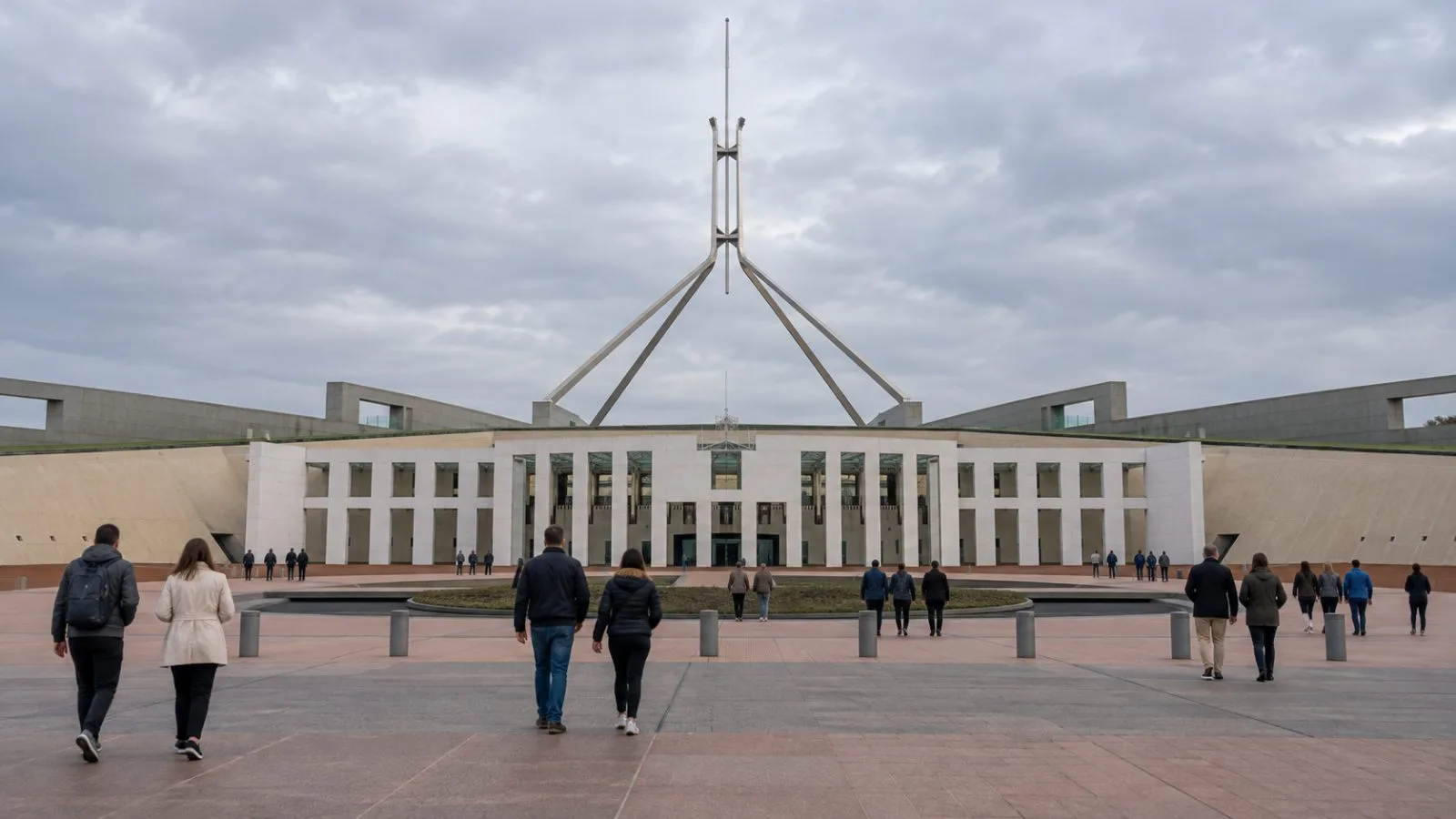
In an Oct. 21 address in Canberra, Pocock described 2028 as an opportunity for independent candidates to gain influence in parliament. He said he was not announcing a bid for prime minister and called for locally backed candidates to work together on policy.
Pocock estimated that the gas tax could raise A$17 billion annually for services including income support and aged care. The Australia Institute calculated that a 25% tax would have raised A$17.1 billion in the 2023-24 financial year and A$16.2 billion in 2024-25. Those figures measure past export values, not confirmed future revenue.
Under Australia’s Petroleum Resource Rent Tax, exporters can carry losses forward. The Institute for Energy Economics and Financial Analysis says that can postpone tax payments while projects recover their costs. Australian Energy Producers, an industry group, argues that a 25% export tax could make some projects uneconomic and reduce investment.
Pocock also proposed a 5% levy on data centers starting Jan. 1, 2027. He said it would generate A$500 million by the end of 2030 and that the Parliamentary Budget Office (PBO) had costed it. He also called for publication of ministerial diaries and an independently enforced code covering in-house and third-party lobbyists.
Pocock opened his address by urging care and kindness after independent MP Helen Haines was struck by a vehicle outside an office in Wangaratta on Oct. 19. Victoria Police charged a man and allege the incident was targeted. Haines’ husband, Phil Haines, said Oct. 21 that surgeons had amputated both her legs and that she was alive.
A Senate inquiry into gas taxation ended in May without agreed recommendations. The Australian government has separately released a draft scheme requiring exporters to supply some gas to the domestic market. Its proposed supply obligation would begin Jan. 1, 2028.