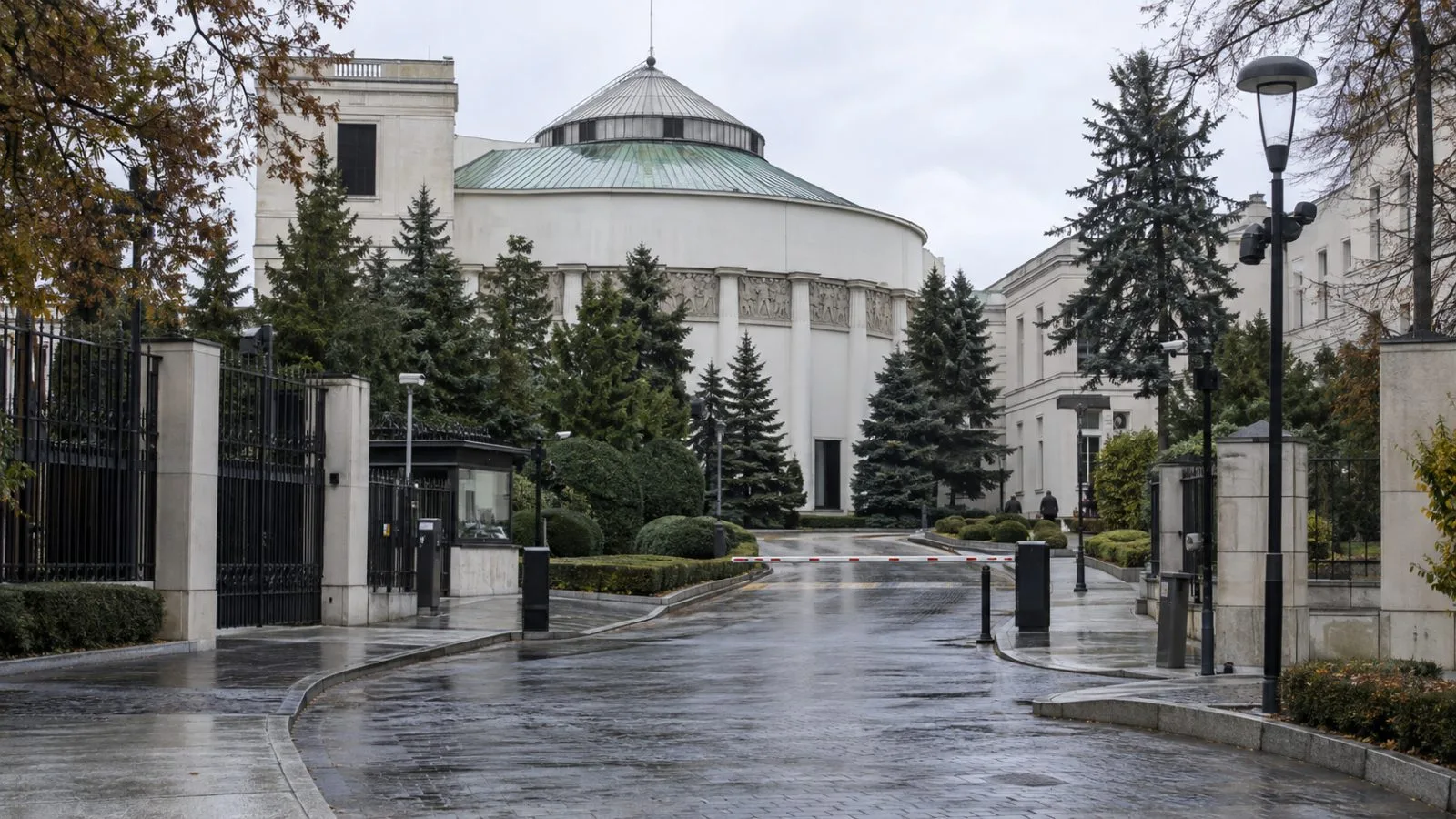
A dispute over control of Poland’s Constitutional Tribunal intensified after a judge issued orders seeking month-long breaks for its two top officials, prompting protests and competing claims of authority.
Texts dated Oct. 30 and posted on the Tribunal’s website assign Judge Anna Korwin-Piotrowska responsibility for directing the court during the proposed break. They instruct Tribunal President Bogdan Święczkowski and Vice President Bartłomiej Sochański to stop carrying out their duties immediately for one month.
Korwin-Piotrowska’s documents accuse Święczkowski of keeping judges elected by the Sejm out of the Tribunal’s general assembly and hearings. They say the dispute could put preparations for the court’s 2027 budget at risk. The allegations appear in the orders and are not court findings.
The orders’ legal effect is disputed. An account identified as the Tribunal’s on X said the website had been taken over unlawfully and asserted that Święczkowski and Sochański remained in office. It also said Korwin-Piotrowska was not a Tribunal judge. The Sejm elected her to the court on March 13, 2026, but that record does not resolve her authority to issue the orders.
Prime Minister Donald Tusk defended the move in an Oct. 30 post on X, saying efforts to restore the rule of law required decisive action. President Karol Nawrocki said the constitutional order had been violated, called for government-sent forces to leave the Tribunal’s premises and convened urgent consultations with parliamentary groups on Oct. 31.
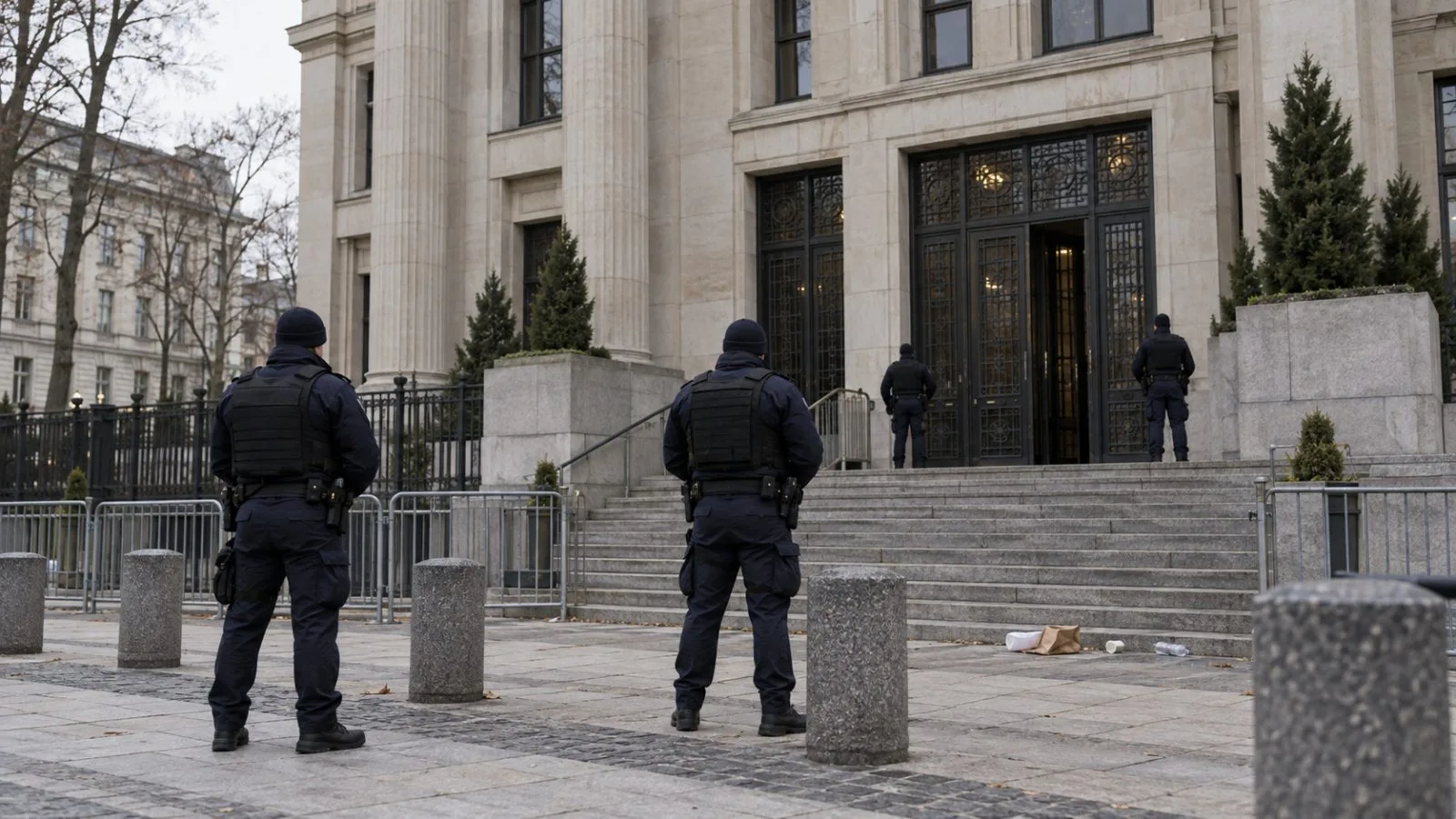
A fence-climbing incident at the Tribunal ended with three detentions, Warsaw police said. The department also reported that people threw objects it described as dangerous at officers, who stayed outside the building. Police said their deployment followed a Prosecutor General’s request to monitor security and a judge’s warning about possible threats to judges and staff. The Associated Press reported that hundreds rallied overnight.
On Dec. 18, 2025, the Court of Justice of the European Union found serious irregularities in appointments made in 2015 and 2016 and said the Tribunal did not meet EU standards for independence and impartiality. That ruling addressed the earlier appointments and did not determine whether the Oct. 30 orders were valid. The current dispute follows an earlier escalation in the Tribunal leadership standoff covered by EconoTimes.
The orders set a referral deadline of three working days for the matter to reach a disciplinary court. That panel would then have up to a month to decide whether to suspend the judge or lift the measure.