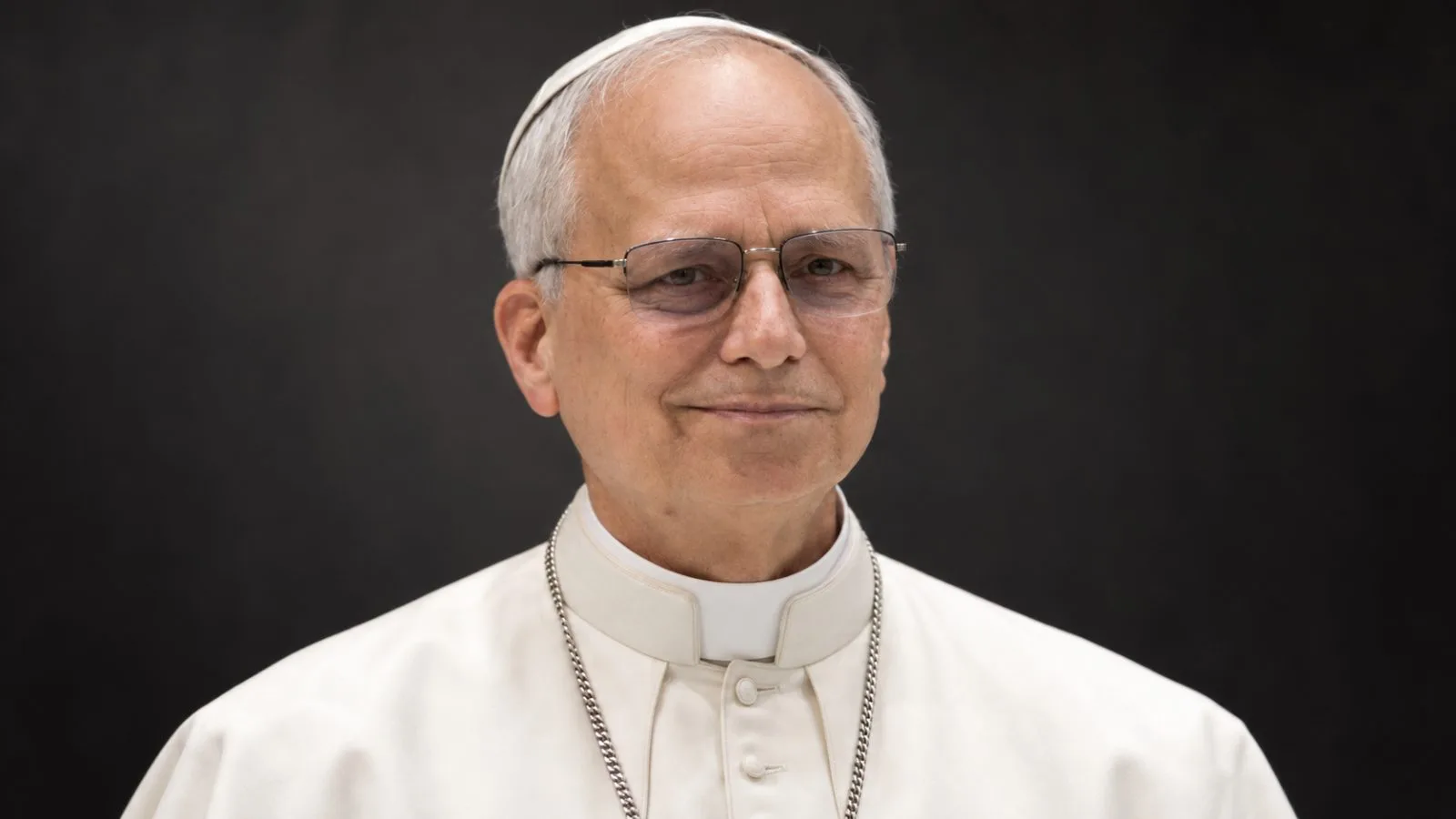
Pope Leo XIV urged governments and institutions to keep human responsibility central in artificial intelligence, calling for shared standards and oversight as AI shapes decisions affecting life, freedom and force.
Speaking Friday at a Vatican meeting organized by the Pontifical Academy for Life and the Future of Life Institute, Leo said institutions should put ethical principles into practice. He paired that request with calls for shared standards, independent oversight and accountability mechanisms to guide AI.
The address focused on decisions affecting human life, personal freedom and the use of force. Leo said people should be able to question AI-assisted decisions and that institutions need processes for responding when AI causes harm. He said people must remain responsible for such decisions and described machines as “tools, not persons.”
He warned that AI could reduce people to data points in settings such as target lists and border-control databases. He cited those examples as a reason to keep consequential choices subject to human oversight.
Leo also said AI’s benefits should be shared equitably, especially with people most in need, rather than being limited to privileged groups. He cautioned that treating AI development as a race could leave some people behind.
EconoTimes has previously covered related questions about public-sector AI safeguards in a report on Pentagon oversight scrutiny after Google DeepMind employee departures. That earlier story described company principles that include human oversight, testing and safeguards.
Leo urged states meeting in Geneva in November to take steps toward a ban on lethal autonomous weapons. His appeal puts scrutiny of military AI among the issues for governments to address, alongside standards and accountability procedures for AI more broadly.