Quebec’s animal health tally now lists 329 raccoon-rabies cases in 2026; among them is a heifer infection that marks the first cattle case since the variant returned in 2024.
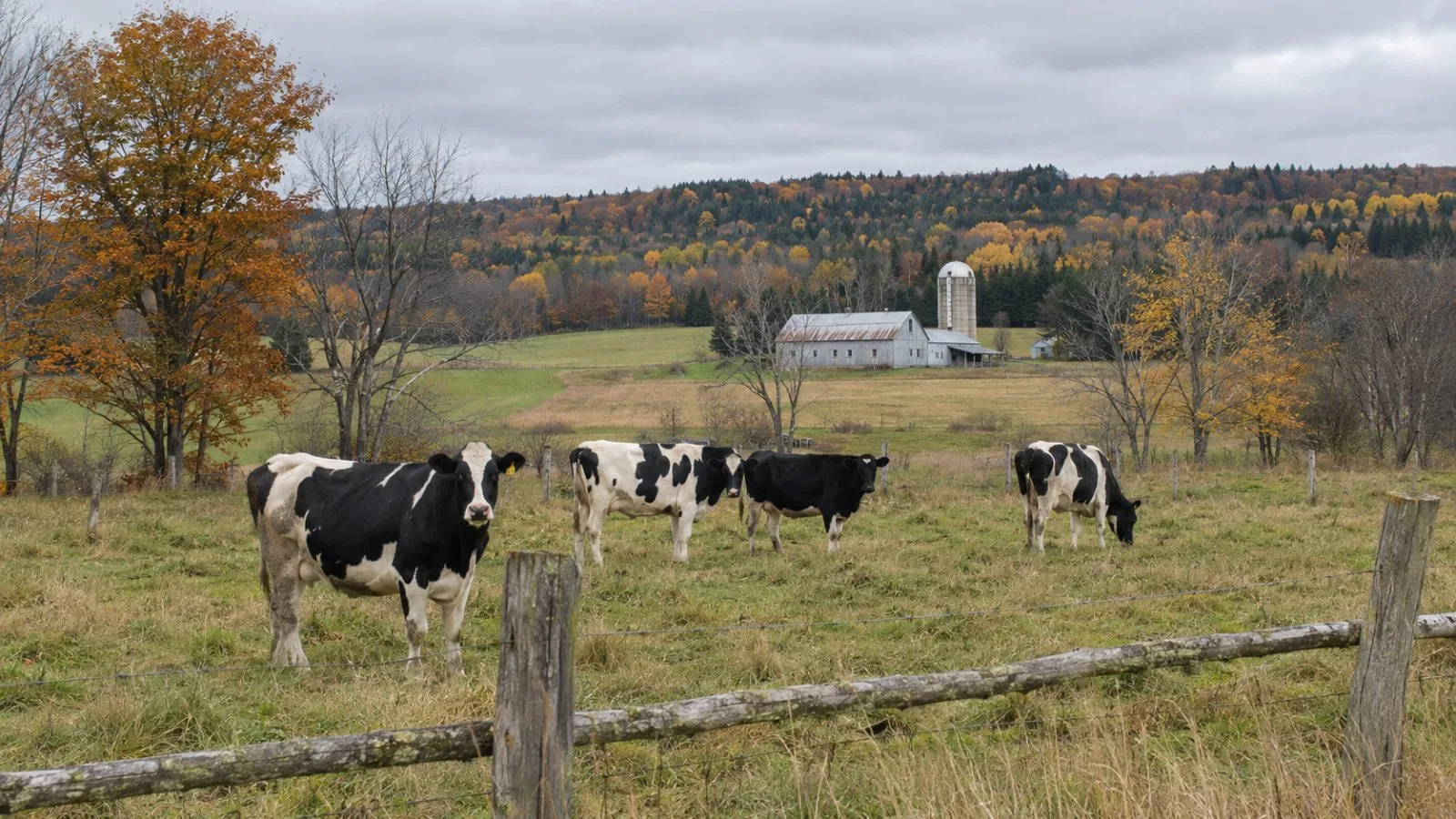
The Ministry of Agriculture, Fisheries and Food (MAPAQ) said testing confirmed the infection Nov. 4. The young, unvaccinated heifer had been in a pasture in Coaticook, in the Estrie region. MAPAQ said the animal became ill and died Oct. 30. The ministry said it supported the owner and veterinarian as they put farm-level measures in place to manage risks, but did not describe those steps.
Quebec’s animal disease list records 329 confirmed cases of raccoon rabies since Jan. 1. The province cautions that its tally is incomplete because some infected wildlife may go undetected.
Raccoon rabies is a virus variant named for the species that chiefly spreads it. Quebec says raccoons and striped skunks are its main hosts, although any mammal can contract rabies. The disease is transmitted largely through infected saliva, including through bites.
The variant was detected in southern Quebec from 2006 to 2009 and in one case in 2015, the province says. Quebec says surveillance and control operations eliminated it before it returned from Vermont in 2024. Cases increased significantly across Montérégie from March 2026, the province says, and its response includes wildlife monitoring and vaccination operations. Quebec says the spread across Montérégie threatens urban areas on Montreal’s South Shore and Île de Montréal.
MAPAQ offers financial aid for eligible vaccination-related costs at registered farms in Montérégie, Estrie and some Centre-du-Québec municipalities. Eligible farms must raise cattle, goats, sheep or pigs outdoors. The program covers veterinary travel and fees, materials and vaccines for vaccinations performed since May 15, 2026. The ministry did not give a total funding amount or specify a producer contribution.