


 Fed Unveils Stablecoin Rules Under GENIUS Act
  Fed’s Hammack Says Bond Yield Surge Is Not Driven by Inflation Fears
  BOJ Flags Import Costs and Yen Shocks as Persistent Inflation Risks
  U.S. Stock Futures Fall as Iran, Oil and AI Risks Rattle Markets
  XRP Price Targets $1.70 as Bullish Momentum Builds
  Yen in Focus as BOJ, Fed Rate Hikes Reshape Currency Markets
  BOJ Set for Rate Hike as Inflation and Yen Pressure Mount
  RBA Set for September Rate Hike as Inflation Stays High
  Fed Unveils Stablecoin Rules Under GENIUS Act
  Japan Warns Markets Over Yen Weakness
  China Industrial Profit Growth Slows as Weak Demand Offsets AI Gains
  Central Banks Could Buy 20,000 Tonnes of Gold: BofA


 Add as a preferred source on Google
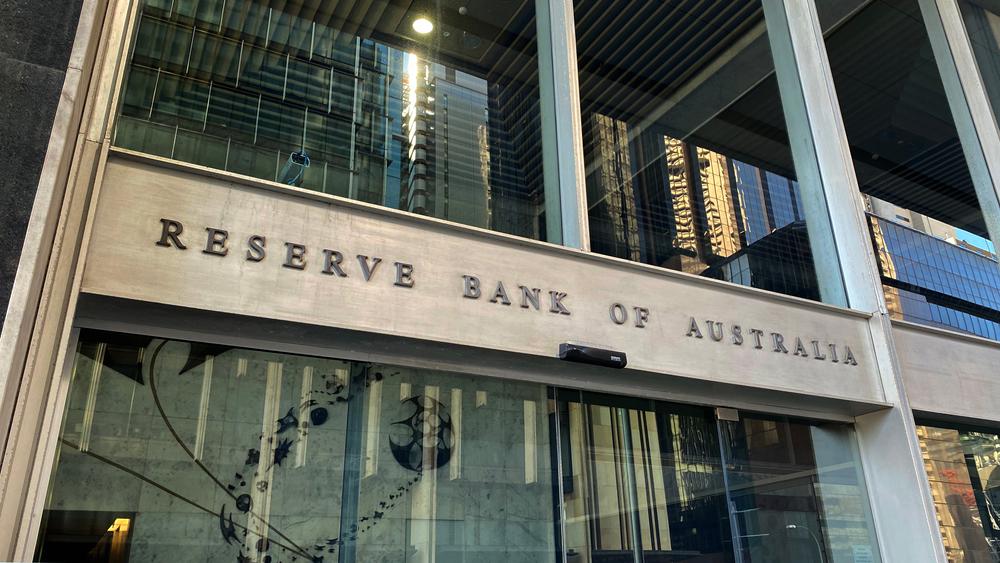
The Reserve Bank of Australia is heading into its March 17 board meeting with no clear consensus on interest rates, according to Deputy Governor Andrew Hauser. Speaking to The Conversation on Tuesday, Hauser acknowledged that policymakers face a genuinely divided decision, shaped by conflicting economic signals at home and growing instability abroad.
Hauser was candid about the complexity of the current environment. Inflation remains uncomfortably high, and recent data suggest the Australian economy has little spare capacity to absorb further price pressures. The ongoing Middle East conflict has added fuel to the fire by pushing global oil prices higher — a development Hauser described as unhelpful from a monetary policy standpoint. Given these conditions, the case for another rate hike carries real weight.
Yet the Deputy Governor was equally clear that tightening further is not a foregone conclusion. Weaker-than-expected consumer spending and softer labour cost figures point to an economy already feeling the strain of previous rate increases. Hauser also warned that acting too aggressively risks tipping Australia into a sharper slowdown, driving up unemployment and ultimately pushing inflation below target — an outcome the RBA is equally keen to avoid.
The RBA raised the official cash rate by 25 basis points to 3.85% last month, reversing course after cutting rates three times the previous year as inflation unexpectedly picked back up. Financial markets currently assign a 50% probability to another hike at the March meeting, with a May increase considered virtually certain. Traders are pricing in a total of 60 additional basis points of tightening across 2026.
With global uncertainty still extremely elevated and domestic data sending mixed messages, the RBA's upcoming decision reflects just how fine the line has become between controlling inflation and protecting economic growth.







