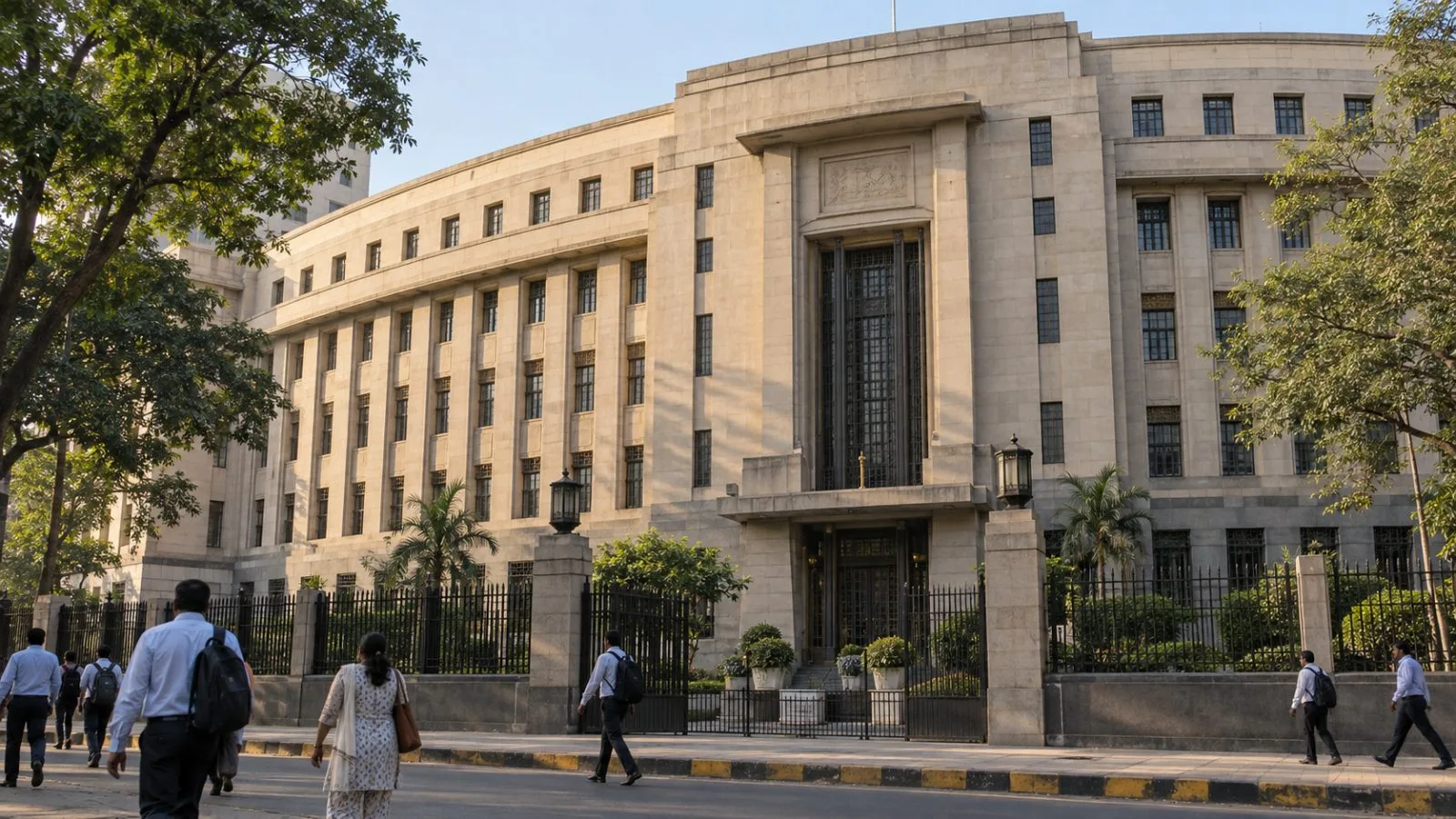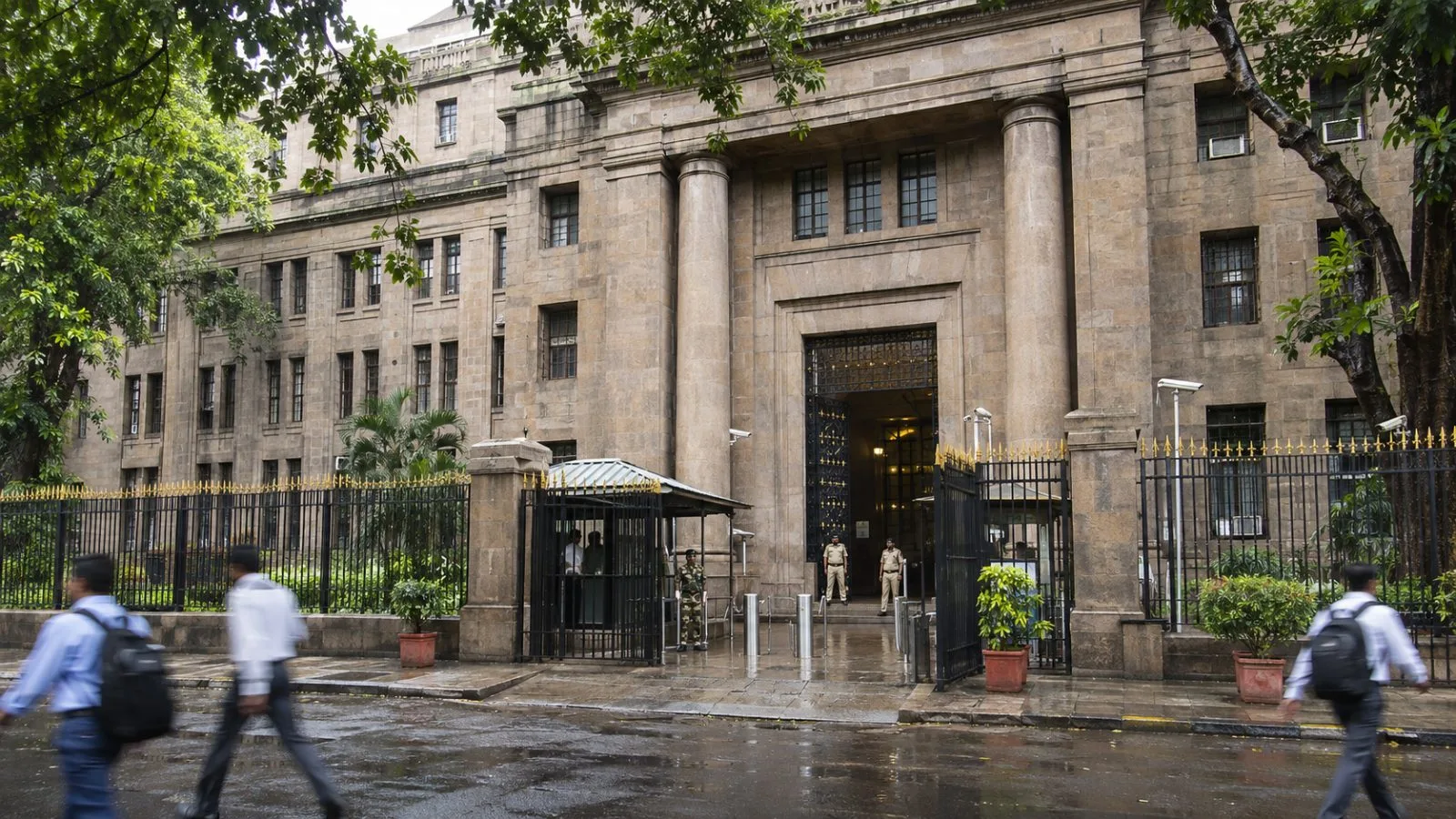
India's central bank finalized six KYC amendments on Nov. 27 establishing a process for temporary debit holds on amounts or accounts linked to suspected fraud, effective July 1, 2027.
The framework applies to commercial banks, as well as small finance, payments, local-area and regional rural banks and urban co-operative banks. A bank may adopt the standard operating procedure earlier.
The RBI said it examined feedback on its draft and incorporated the resulting modifications. The framework gives banks a deadline-based process for imposing and lifting temporary debit holds while they work with law-enforcement agencies.
The measure follows an Aug. 4, 2026, order from the Supreme Court of India directing the RBI to adopt and circulate a standard operating procedure for temporary debit holds on amounts or accounts linked to money-mule activity and cyber-enabled fraud.
The RBI’s September draft defined a suspected money-mule transaction as one worth ₹1,000 or more that is flagged by transaction-monitoring systems, including artificial intelligence and machine-learning tools. It defined a money-mule account as one used knowingly or unknowingly to receive, layer or transfer proceeds of cyber-enabled financial fraud on behalf of another person.
Under that proposal, banks would notify customers immediately and give them 20 days to explain a flagged transaction. They would decide within 10 days of receiving an explanation; if no explanation arrived, the decision would come within 30 days of imposing the hold.
If suspicion persisted, the bank would send the case to the relevant police jurisdiction through the NCRP-CFCFRMS system. The draft limited a temporary hold to 60 days unless law enforcement or another competent authority directed otherwise.
The proposal reserved account-level temporary debit holds for exceptional circumstances and said they should be used only as a last resort. Banks would also continue filing suspicious transaction reports with the Financial Intelligence Unit-India (FIU-IND).
The RBI’s existing KYC framework already required transaction monitoring to identify possible mule accounts. The central bank says money mules may knowingly or unknowingly let others use their accounts to move fraud proceeds, while fraudsters may recruit account holders through email or social media by offering commissions.
The framework is intended to help banks stop suspected fraud proceeds while limiting disruption to genuine customers. To implement it, banks will need transaction-monitoring systems, customer-notification procedures, law-enforcement coordination and grievance-redress mechanisms.
The directions take effect July 1, 2027, unless a bank chooses to implement the standard operating procedure earlier.