


 Trump Buys Up to $25M in Meta Stock, Invests in SpaceX Debt
  EU Rejects Italy, Greece Calls for Fiscal Rule Flexibility
  Illinois Delays Crypto Tax Law Until July 2027
  US Waives $320M Egypt Military Aid Conditions After Iran War Role
  AstraZeneca, Bristol Myers Squibb Explore Mega Merger Worth Nearly $400 Billion
  Crypto Rallies as CLARITY Act Failure Opens Door to Faster SEC Rules
  Trump Plans Diesel Tax Relief as Fuel Prices Hit Record Highs
  Tsai Warns of China’s Sustained Pressure on Taiwan
  US Charges Maduro and Wife With Torture Conspiracy
  Eli Lilly Eyes AtaiBeckley Acquisition to Expand Psychedelic Mental Health Pipeline
  Trump Signs Order to Cut Routine Childhood Vaccines
  Saudi Airport Attacks Kill Three as Yemen Fighting Escalates
  Zelenskiy Criticizes US as Russian Strikes Kill 78 in Ukraine
  Moderna Wins FDA Approval for mFLUSIVA mRNA Flu Vaccine for Adults 50+
  US Treasury Drops Crypto Wallet Tracking Plan
  EU Gives Crypto Platforms Three Months to Remove USDT Under MiCA Rules


 Add as a preferred source on Google
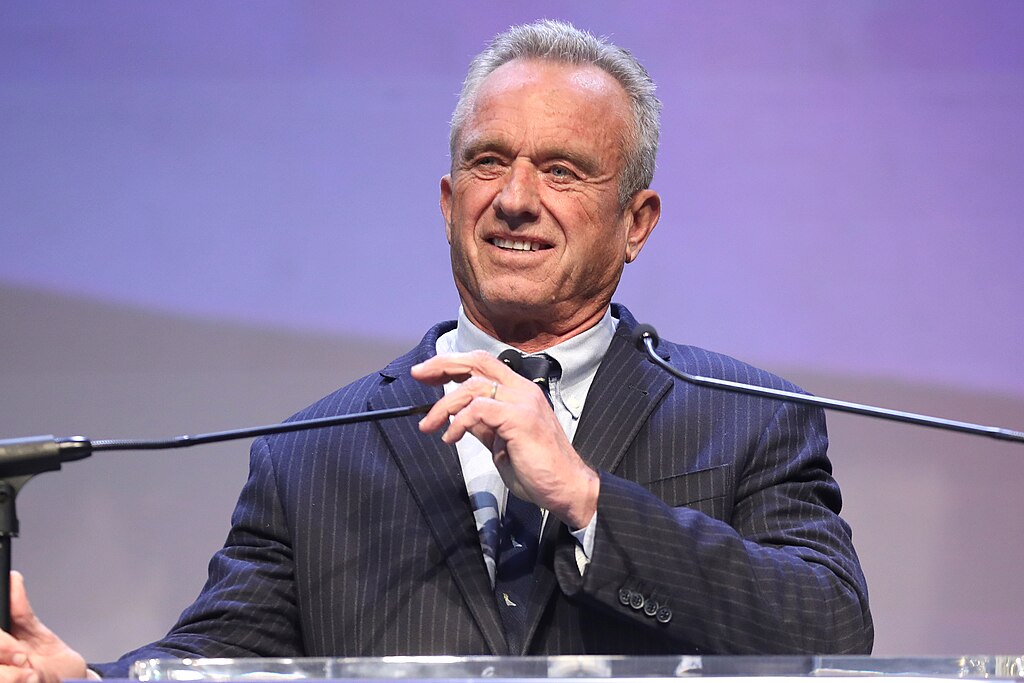
US Health Secretary Robert F. Kennedy Jr. has launched a department-wide initiative to investigate and document reported health problems following vaccination, the Department of Health and Human Services (HHS) announced Thursday.
The new vaccine safety initiative represents another major shift in federal immunization policy under Kennedy, a longtime vaccine skeptic who previously founded an organization critical of vaccination programs.
At the center of the effort is a National Institutes of Health (NIH) clinic that opened Monday to evaluate and treat patients reporting health complications after receiving vaccines. The facility will also conduct research into potential vaccine-related adverse effects.
Additional measures include a Centers for Medicare & Medicaid Services proposal to reimburse doctors for reporting suspected vaccine injuries to the Centers for Disease Control and Prevention's Vaccine Adverse Event Reporting System (VAERS).
The CDC also plans to modernize VAERS, while HHS will require electronic health records to document vaccine-related adverse events more systematically.
However, public health experts emphasize that reported health problems following vaccination do not necessarily establish a causal relationship. The American Academy of Pediatrics maintains that childhood vaccines undergo extensive clinical testing and continued safety monitoring after approval.
The federal Vaccine Injury Compensation Program currently recognizes 14 compensable injuries involving 16 vaccine categories. Since 1988, the program has awarded approximately $5 billion across roughly 12,300 injury and death claims.
Kennedy's latest actions come amid mounting legal challenges and concerns about declining childhood vaccination rates, particularly as measles cases have resurged across the United States.
Since assuming leadership of HHS, Kennedy has significantly reshaped federal vaccine oversight. He dismissed all 17 independent experts serving on the CDC's vaccine advisory committee and appointed replacements, several of whom shared his skepticism toward vaccines.
In January, the CDC introduced revised childhood vaccination recommendations, removing universal guidance for several immunizations, including influenza, rotavirus, hepatitis A, hepatitis B at birth, certain meningitis vaccines, and respiratory syncytial virus protection.
A federal judge subsequently issued a preliminary injunction in March, blocking major elements of the changes after finding that Kennedy and HHS violated federal law when restructuring the Advisory Committee on Immunization Practices.
The ruling has prevented the committee from convening to issue recommendations that frequently determine insurance coverage for vaccinations.
The expanded vaccine safety review is expected to intensify debate over federal immunization policies, scientific evidence, and public confidence in childhood vaccination programs.







