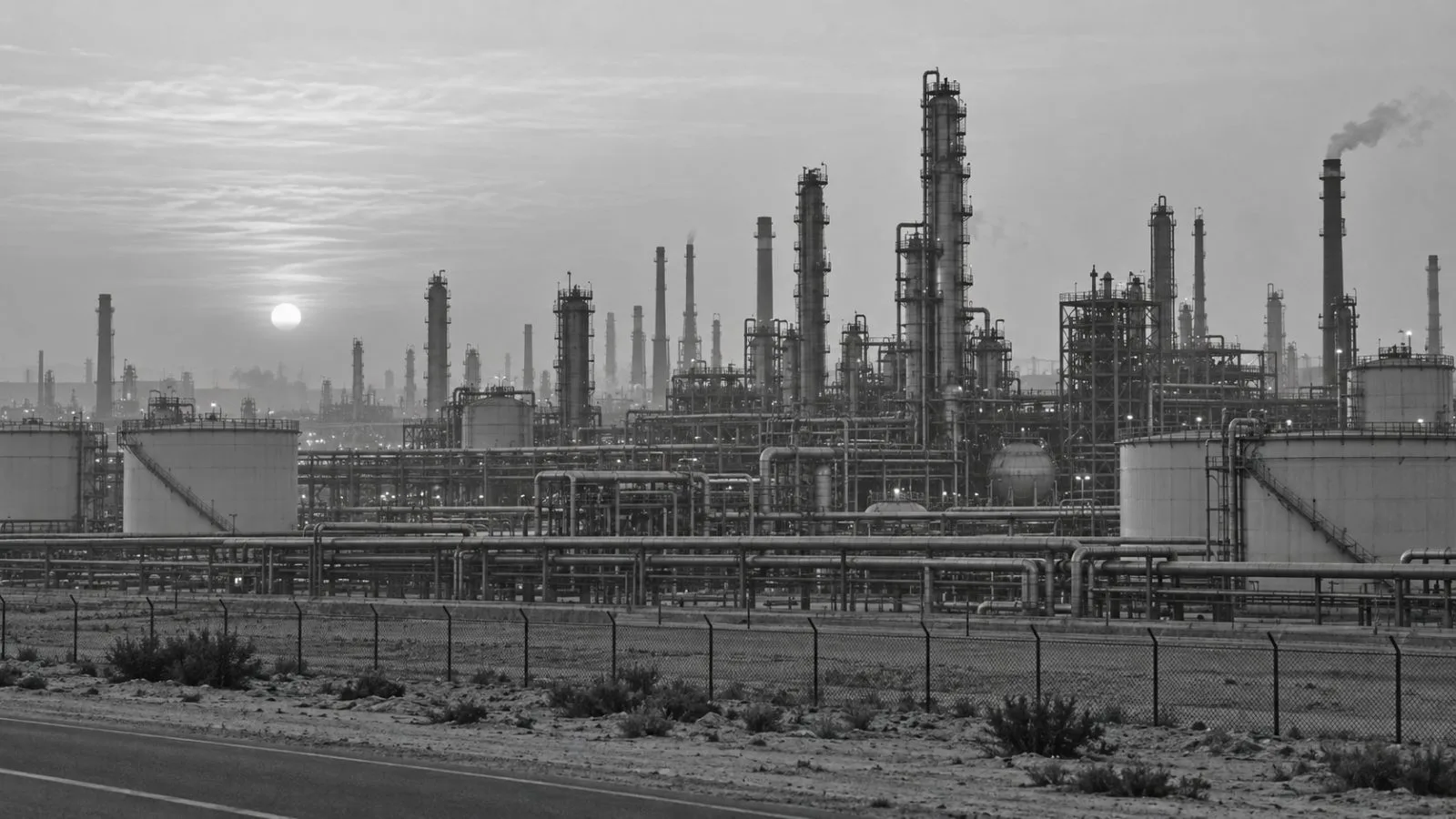
Rabobank estimated that nearly 12% of global refining capacity was offline, while Reuters reported crude futures were on track for a fourth monthly gain amid conflict-related supply concerns.
At 4:45 a.m. EDT (08:45 UTC) Friday, December Brent futures, due to expire that day, were up $2.27, or 1.98%, at $117.15 a barrel, Reuters reported. The more actively traded January Brent contract gained $2.19 to $112.99, while U.S. West Texas Intermediate rose $1.79, or 1.75%, to $103.79.
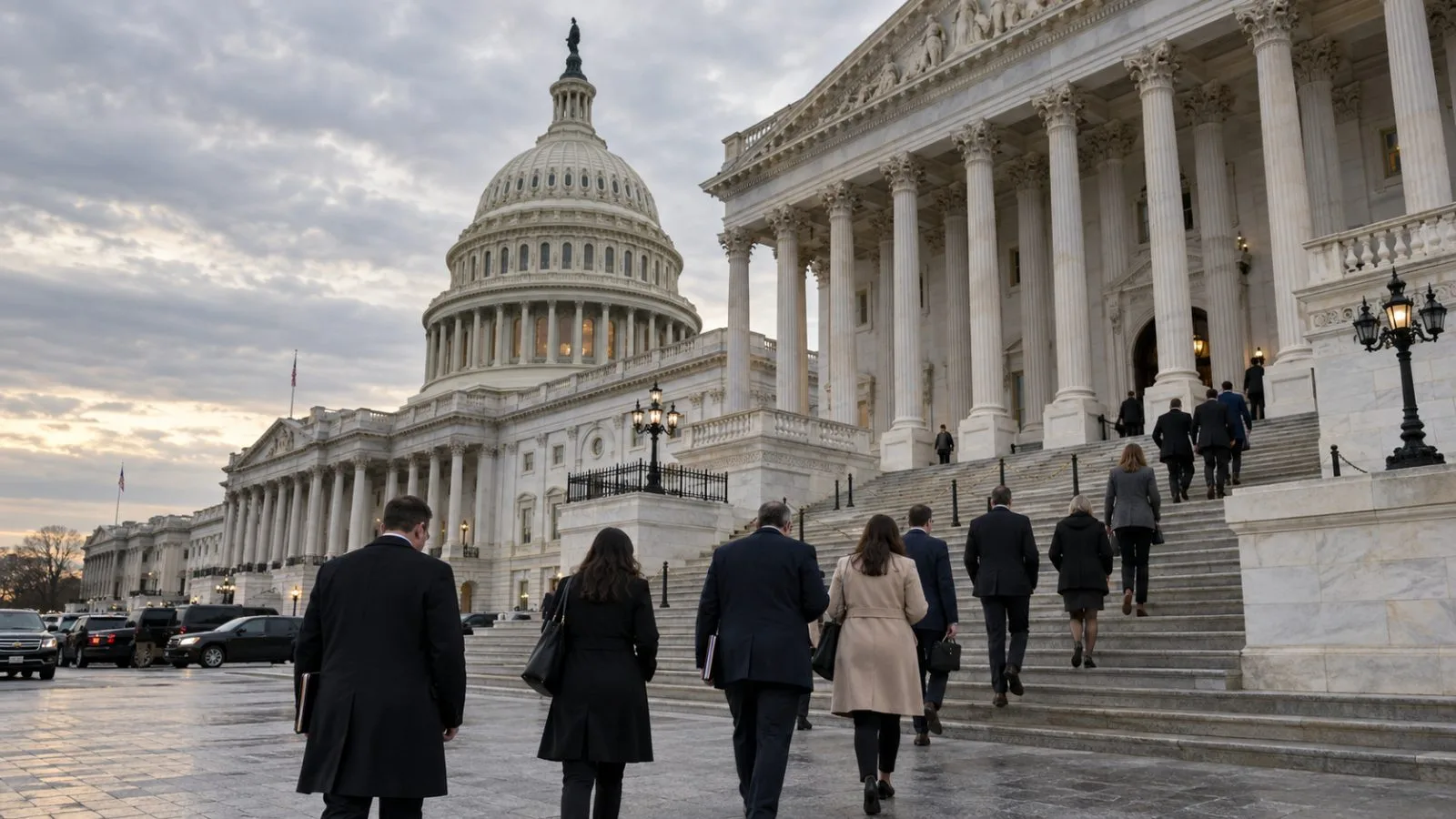
“Oil prices rose to the highest level since April as evidence builds of possible new US strikes on Iran,” Rabobank Senior Macro Strategist Bas van Geffen wrote in the bank’s Oct. 30 note. The report presented a resumption of strikes after the Nov. 3 U.S. midterm elections as one possible outcome among several.
In one scenario, Rabobank modeled U.S., Israeli, Arab and European forces fighting Iran and the Houthis while defending Saudi Arabia. The bank said Iran and the Houthis would likely attack Gulf countries and potentially Egypt. Fighting could continue at varying intensity through the end of the first quarter of 2027.
The capacity estimate covers facilities producing gasoline, diesel and other fuels. Rabobank named diesel and marine fuel oils as particular concerns. It warned that worsening conflict in the Middle East and Russia-Ukraine could accelerate inventory drawdowns.
The bank said easing in both conflicts could bring lower oil prices and rising inventories. Its note also flagged persistent energy inflation and pressure on fuel markets. The report outlined multiple possible paths, rather than presenting renewed strikes as a confirmed decision.
The U.S. midterm elections are scheduled for Nov. 3, the date Rabobank used to frame the possibility of strikes restarting afterward.