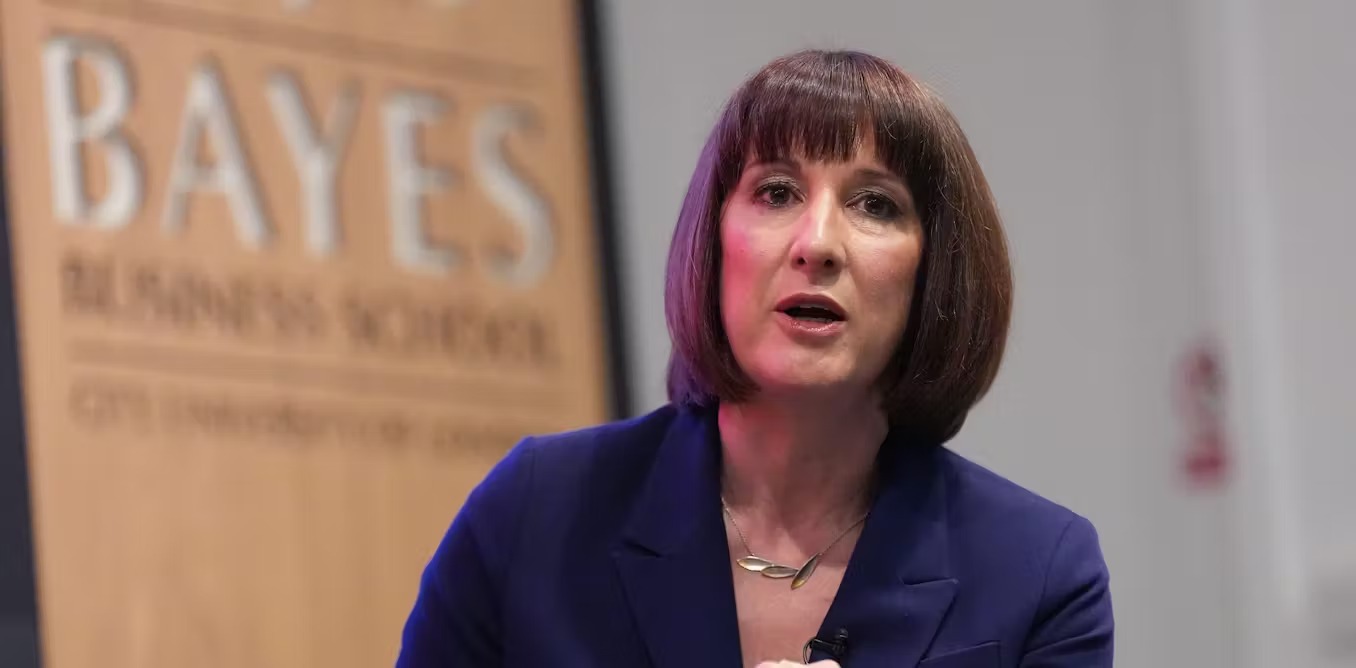
UK Finance Minister Rachel Reeves is expected to reaffirm her commitment to repairing Britain’s public finances in her upcoming budget update, as global markets react nervously to escalating conflict in the Middle East. Investors are closely watching the UK fiscal outlook after energy prices and bond yields surged following military strikes involving the United States, Israel, and Iran.
Reeves will present updated economic and borrowing forecasts from the Office for Budget Responsibility (OBR). Market analysts anticipate a cautious approach, with no major spending announcements that could unsettle bond investors already concerned about rising inflation and higher debt costs. The recent spike in British two-year gilt yields — the sharpest since May 2025 — highlights the sensitivity of financial markets to geopolitical risks and inflation pressures.
Prime Minister Keir Starmer’s recent by-election setback has increased political pressure for higher public spending. However, Reeves has stated that significant fiscal policy changes will be reserved for the full autumn budget. For now, her focus remains on economic stability, sustainable growth, and infrastructure investment.
At her last budget in November, Reeves had approximately £22 billion in fiscal headroom, equivalent to 0.6% of GDP. While some analysts believe improved borrowing conditions may provide slightly more flexibility this year, much of that advantage depends on stable debt markets. Prolonged Middle East tensions could push fuel prices higher, increasing inflation-linked debt costs. Notably, about a quarter of UK government bonds are tied to inflation, leaving public finances vulnerable to sustained price increases.
The OBR is also expected to downgrade UK economic growth forecasts and potentially revise unemployment projections upward following increased employer costs. Economists warn that calls to reverse planned fuel duty changes could intensify, but Reeves is likely to prioritize fiscal credibility.
Maintaining investor confidence and controlling UK government borrowing remain central to Reeves’ economic strategy in an increasingly uncertain global environment.