- Distributed renewable hydrogen solution receives contingent approval for Low Carbon Fuel Standard (LCFS) Credit Market to sell or trade credits
- Using stationary fuel cells to convert biogas from wastewater treatment into renewable hydrogen, power, and heat (tri-generation), offsetting carbon emissions
- LCFS enhances tri-generation fuel cell economic value proposition while supporting renewable transportation infrastructure and California Senate Bill 1505 (SB 1505)
- Affordably supplying renewable hydrogen for fuel cell electric vehicles (FCEV) represents a sizeable potential market
DANBURY, Conn., Jan. 14, 2016 (GLOBE NEWSWIRE) -- FuelCell Energy, Inc. (Nasdaq:FCEL), a global leader in the design, manufacture, operation and service of ultra‐clean, efficient and reliable fuel cell power plants, has received contingent certification for a prospective pathway for its renewable hydrogen generation solution using fuel cells at wastewater treatment facilities under the Low Carbon Fuel Standard (LCFS), administered by the California Air Resources Board (CARB). Under the LCFS, certified pathways define the carbon intensity of various types of alternative fuels. The new tri-generation pathway has a remarkable negative carbon intensity, meaning that a vehicle using hydrogen fuel from tri-generation is not only carbon free, but in fact is offsetting carbon emissions compared to alternatives. Production of renewable hydrogen from megawatt-class FuelCell Energy power plants provides a transportation fuel for fuel cell electric vehicles (FCEV) that is generated in a carbon-neutral and non-polluting process. The inclusion of tri-generation FuelCell Energy power plants in the LCFS Credit Market means that each kilogram of renewable hydrogen supplied for vehicle fueling is eligible for an LCFS credit that can be sold or traded to offset carbon-intensive petroleum fuel usage. Final certification is expected following a specified period of operation and review of performance data of a megawatt-class tri-generation system utilizing renewable biogas as the fuel source.
|
|||
A photo accompanying this announcement is available at http://www.globenewswire.com/NewsRoom/AttachmentNg/659b5dc4-ce3e-4022-8741-d78a42ec0296
“Our commercial solution for generating hydrogen is technologically, operationally and financially superior to conventional hydrogen generation alternatives and our ability to generate renewable hydrogen affordably and with private capital is a game-changer that addresses the challenges faced by regulators and auto manufacturers,” said Chip Bottone, Chief Executive Officer, FuelCell Energy, Inc. “The key aspect of supporting the hydrogen infrastructure necessary for widespread fuel cell electric vehicle adoption is a clean and carbon-friendly solution that is priced competitively to the cost of gasoline, which is what we can deliver.”
LCFS, established in 2007 through a Governor’s Executive Order, requires producers of petroleum-based fuels to reduce the carbon intensity of their products, beginning with a quarter of a percent in 2011 culminating in a 10 percent total reduction by 2020. Petroleum importers, refiners and wholesalers can either develop their own low carbon fuel products, or buy LCFS Credits from other companies that develop and sell low carbon alternative fuels, such as renewable hydrogen from tri-generation fuel cell plants. California Senate Bill 1505 directs CARB to develop regulations that ensure the production of hydrogen for transportation use is undertaken in a manner that is consistent with environmental goals.
“CARB's team performed a complete Life Cycle Analysis (LCA) on our tri-generation system and determined that we have a negative carbon footprint, as our power and hydrogen generation process is net carbon-neutral due to the use of renewable biogas, and is a cleaner use of the biogas compared to alternatives,” said Tony Leo, Vice President Application Engineering & Advanced Technology Development, FuelCell Energy, Inc. “This means that overall, we are negative carbon emitters; a superior result in comparison to other hydrogen generation technologies such as electrolysis or traditional steam reforming.”
“While the LCFS standard is focused on carbon emissions, it is also notable that tri-generation produces hydrogen without using water, which is consumed in both electrolysis and conventional steam methane reforming. Trigeneration uses waste heat and water byproducts produced by the fuel cell during power generation to make hydrogen efficiently and without the need for external water consumption, which is increasingly a concern in certain regions, including California,” continued Mr. Leo.
This LCFS prospective pathway certification is based on the success of a three-year tri-generation project at the Orange County Sanitation District in California. A FuelCell Energy tri-generation fuel cell system produced renewable hydrogen for FCEV’s and power for the wastewater treatment facility, demonstrating the technical viability of the system using a sub-megawatt fuel cell plant.
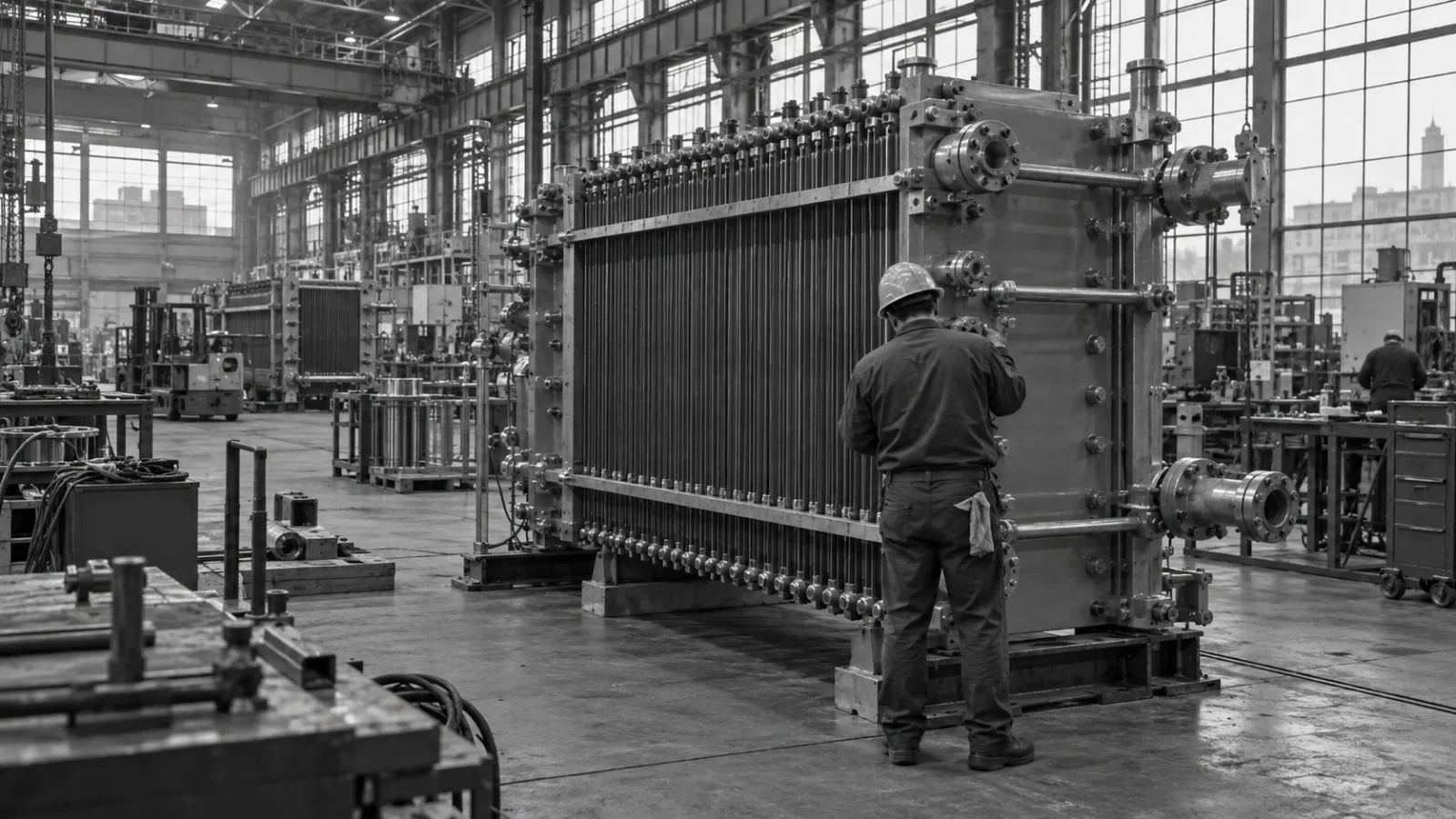
FuelCell Energy’s hydrogen-co-production system, utilizing a DFC3000® plant, generates approximately 1,200 kilogram per day of hydrogen, which is adequate to service approximately 300 cars/day or 50 buses/day. Simultaneous with the hydrogen production is the generation of 2 megawatts of electric power and 2 million Btu’s of thermal energy. Hydrogen production results in a modest reduction of electrical output in the tri-generation configuration compared to the power/heat-only configuration.
The FCEV market is expected to grow rapidly. Both Hyundai and Toyota have FCEV’s commercially available today. Many other automobile manufacturers have announced plans for commercially launching FCEV’s including General Motors, BMW, Honda, Audi and Mercedes. Providing renewable hydrogen for fuel cell buses and material handling are also potential markets. The renewable hydrogen market potential for FCEV’s is global, currently including the USA, Western Europe and select Asian markets such as South Korea and Japan.
DFC® stationary fuel cell power plants manufactured by FuelCell Energy utilize carbonate fuel cell technology and provide continuous power located where the power is used, including both on-site applications and electric grid support. The plants provide combined heat and power (CHP) capabilities, also known as cogeneration, supporting sustainability initiatives and economics. The plants are fuel flexible, capable of operating on clean natural gas, on-site renewable biogas, or directed biogas. Power is produced by an electrochemical reaction, resulting in the virtual absence of pollutants such as nitrogen oxide (NOx) that causes smog, sulfur dioxide (SOx) that contributes to acid rain, or particulate matter that aggravates asthma.
About FuelCell Energy
Direct FuelCell® power plants are generating ultra-clean, efficient and reliable power at more than 50 locations worldwide. With more than 300 megawatts of power generation capacity installed or in backlog, FuelCell Energy is a global leader in providing ultra-clean baseload distributed generation to utilities, industrial operations, universities, municipal water treatment facilities, government installations and other customers around the world. The Company’s power plants have generated over four billion kilowatt hours of ultra-clean power using a variety of fuels including renewable biogas from wastewater treatment and food processing, as well as clean natural gas. For additional information, please visit www.fuelcellenergy.com, follow us on Twitter and view our videos on YouTube.
Direct FuelCell, DFC, DFC/T, DFC-H2 and FuelCell Energy, Inc. are all registered trademarks of FuelCell Energy, Inc. DFC-ERG is a registered trademark jointly owned by Enbridge, Inc. and FuelCell Energy, Inc.
Contact:
FuelCell Energy, Inc.
Kurt Goddard, Vice President Investor Relations
203-830-7494
ir@fce.com