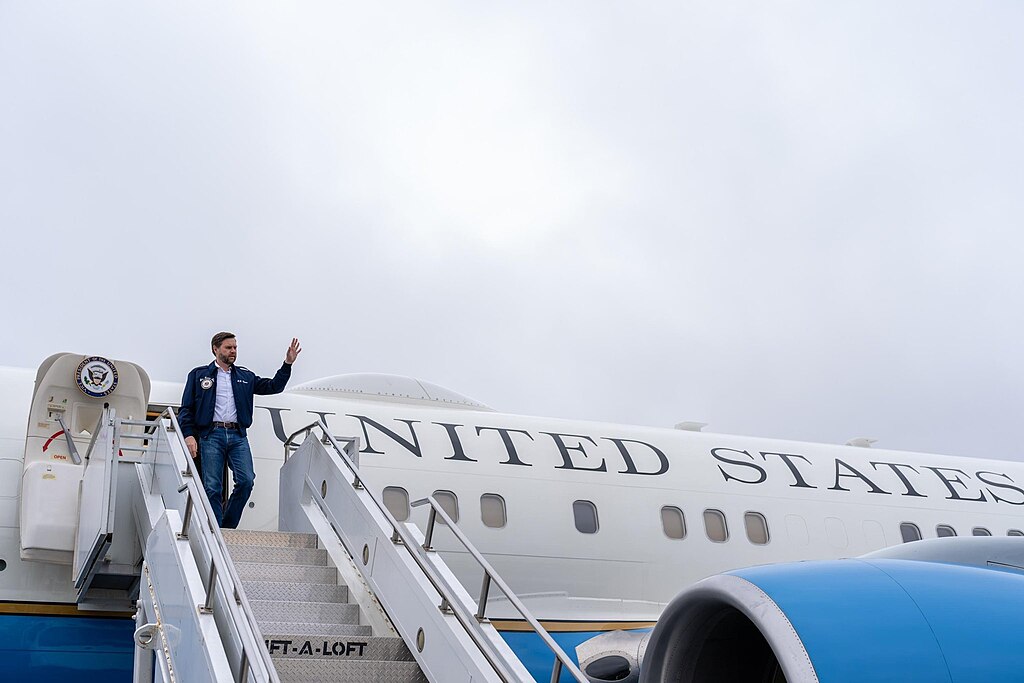
U.S. Vice President JD Vance is traveling to Hungary this week in a show of political solidarity with Prime Minister Viktor Orban, who faces his most difficult re-election battle since coming to power in 2010. The two-day visit, timed just days before Hungary's April 12 parliamentary elections, includes a private meeting and a joint campaign rally — a striking move that signals Washington's direct interest in Orban's political survival.
Before leaving Washington, Vance described Orban as a "good friend" and said discussions would touch on U.S.-Hungary relations, Europe, and Ukraine. The gesture aligns with President Donald Trump's broader strategy of publicly supporting right-wing, nationalist leaders across the globe. Trump has already endorsed Orban, calling him a "truly strong and powerful leader."
Independent polling suggests Orban's Fidesz party is currently trailing the center-right Tisza party, led by Peter Magyar — a rare and significant challenge for a leader who has dominated Hungarian politics for over a decade. Orban's political brand, built on anti-immigration rhetoric, skepticism of global institutions, and what he calls "illiberal democracy," has long mirrored many Trump-era policy positions, making Hungary a key ideological ally for the current U.S. administration.
Analysts, however, question whether American backing will translate into votes. Hungarian voters are primarily focused on domestic concerns like rising living costs, and some observers warn that Vance's visit could even backfire, given growing European frustration with U.S. foreign policy under Trump. Europe's far-right movements, once enthusiastic Trump supporters, have grown increasingly critical of his unpredictable tariff decisions and aggressive posture toward NATO allies.
The visit also briefly pulls Vance away from Washington, where the administration continues navigating an ongoing military conflict with Iran, now entering its sixth week with no clear resolution.