


 Fed Unveils Stablecoin Rules Under GENIUS Act
  Best Gold Stocks to Buy Now: AABB, GOLD, GDX
  FxWirePro: Daily Commodity Tracker - 21st March, 2022
  BOJ Raises Interest Rate to 31-Year High as Yen Weakens
  Yen Sinks as BOJ Rate Hike Fails to Impress Markets
  RBI Raises Repo Rate to 5.50% in Hawkish Shift on Inflation Risks
  Fed’s Hammack Says Bond Yield Surge Is Not Driven by Inflation Fears
  BlackRock’s Rick Rieder Favors Bonds Over Stocks as Treasury Yields Surge


 Add as a preferred source on Google
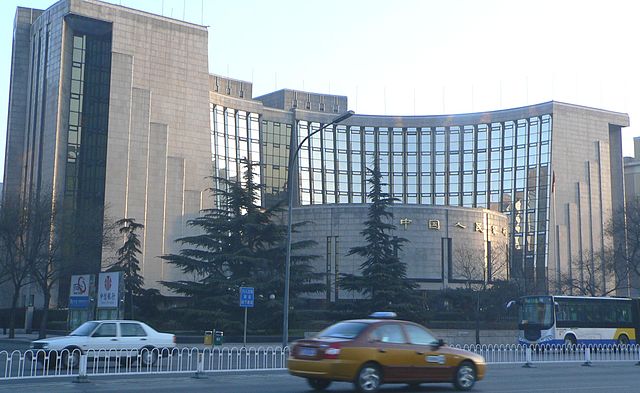
People's Bank of China (PBoC) has been easing monetary policy since late 2014 mainly using reserve requirement reduction and reduction in policy rates. It has also announced other policy measures such as LTV ratio to ease pressure in housing market. It has also been injecting cash into banking system via auctions. In latest attempt, PBoC has injected Yuan 600 billion into banking system as weeklong lunar holiday comes close. Last time its reduced rate was back in October last year that marked drop of rates to 4.35% from 65 back in2014.
This three months pause in easing is however, hardly change in stance and we at FxWirePro, believe large chunk of easing are to arrive from PBoC in 2016 and beyond. As of now, probability of a new Chinese quantitative easing is low but not unlikely.
Our theory lies on simple facts -
- According to latest report from Bank of International Settlements (BIS), China's corporate debt stands at $17.3 trillion as of second quarter of 2015.
- Dollar's share is however, relatively low at 5%, which means large chunk of debt is denominated in local currency.
This fact is one of the key reason, why PBoC has been easing since 2014, to reduce the refinancing cost and cost of debt servicing.
Chart from Bloomberg's Chief economist of Asia, Tom Orlik points out that China's debt servicing cost has reached as much as 32% of GDP, from just about 20% back in 2008/09 era. PBoC's easing has prevented the ratio to rise by still by end 2016, stands at 31%.
We, at FxWirePro, believe, China need significant de-leveraging to make debt sustainable, even if it means further slowdown in economy.
So, to ease the pain, PBoC has fewer options but to ease big time.
That in turn not likely to bear well for Yuan as it would reduce investors' appetite to hold Yuan.







