


 Japan Real Wages Rise 1.5%, Supporting BOJ Rate Hikes
  Australia Consumer Confidence Plunges as RBA Rate Hike Hits Households
  Oil Prices Rise as Hormuz Risks Offset IEA Stock Release
  Gold Prices Fall as Stronger Dollar Weighs on Bullion
  Mike Rogers Calls for End to US-Canada Tariff War
  Dollar Retreats From 18-Month High as Euro Rebounds
  S&P 500 Hits Record High as AI Rally Lifts Wall Street
  US-Led Coalition Targets Global Factory Overcapacity
  US Dollar Hits 18-Month High as Fed Signals More Rate Hikes
  Oil Prices Rise as Hormuz Attacks Fuel Supply Fears
  Asian Currencies Mixed as Yen Weakens, Dollar Holds Firm
  Gold Prices Rise as Dollar Weakens, Treasury Yields Ease
  European Stocks Fall as Oil Rises Ahead of Fed Minutes
  Wall Street Falls as Fed Minutes Signal Another Rate Hike
  Indian Stocks Fall as RBI Hikes Rates to 5.50%
  UK House Prices Flat in September as Mortgage Rates Weigh
  Trump Opens Tax-Exempt Dyed Diesel Access as Fuel Prices Surge


 Add as a preferred source on Google
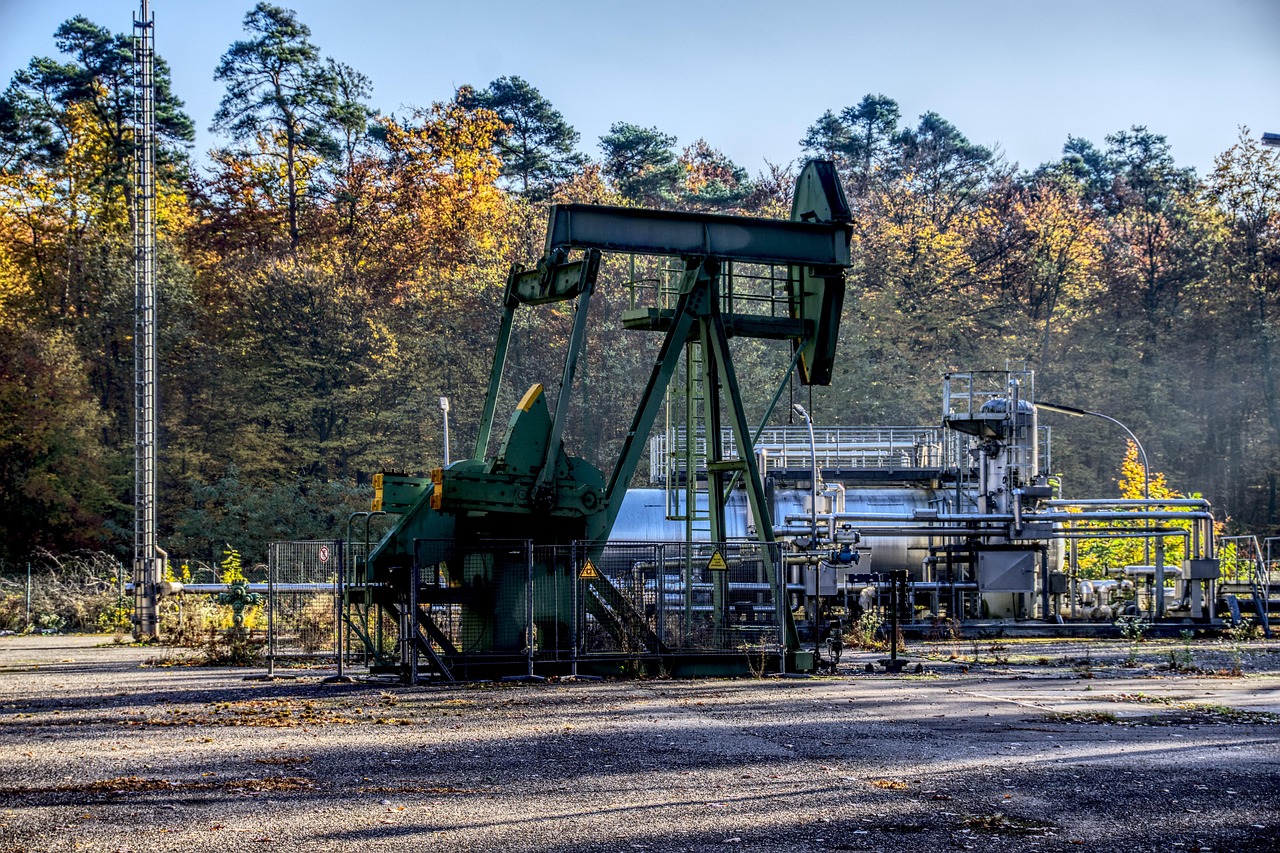
Oil prices climbed on Thursday as traders assessed potential supply disruptions from a strengthening storm along the U.S. Gulf Coast and persistent geopolitical tensions in the Middle East.
Brent crude futures for December gained 0.9% to $101.10 a barrel by 20:02 ET (00:02 GMT), while November West Texas Intermediate crude futures rose 0.9% to $89.08 a barrel.
Energy markets were focused on Tropical Storm Isaias, which is expected to rapidly intensify into a dangerous hurricane before making landfall along the northern Gulf Coast by the weekend, according to the U.S. National Weather Service.
The storm is forecast to bring heavy rainfall and hurricane-force winds across the Gulf of Mexico, prompting several major energy companies to evacuate non-essential workers from offshore facilities. BP, Chevron and Shell are among the producers facing the greatest potential disruption.
A model cited by Reuters estimated that as much as 11.2 million barrels of Gulf oil production could be lost during the storm.
Prices also received support from U.S. inventory data showing crude stockpiles fell by 3.2 million barrels in the week ended October 2, defying expectations for an increase.
However, gains were limited by prospects of additional emergency oil supplies. The International Energy Agency said accelerating the previously announced release of 400 million barrels from strategic reserves could bring roughly 100 million barrels to the market. It remained unclear whether the plan would involve additional stockpile releases.
Middle East tensions continued to provide support for crude prices. Data from the United Kingdom Maritime Trade Operations indicated increased Iranian attacks on vessels traveling through the Strait of Hormuz.
Hostilities involving Saudi Arabia and Yemen’s Iran-backed Houthis also heightened concerns after the group attacked a refinery in Riyadh earlier this week.
Still, signs of improving regional supply capped oil’s advance. Middle East crude flows increased during September, with shipments through the Strait of Hormuz briefly exceeding levels recorded before the war.







