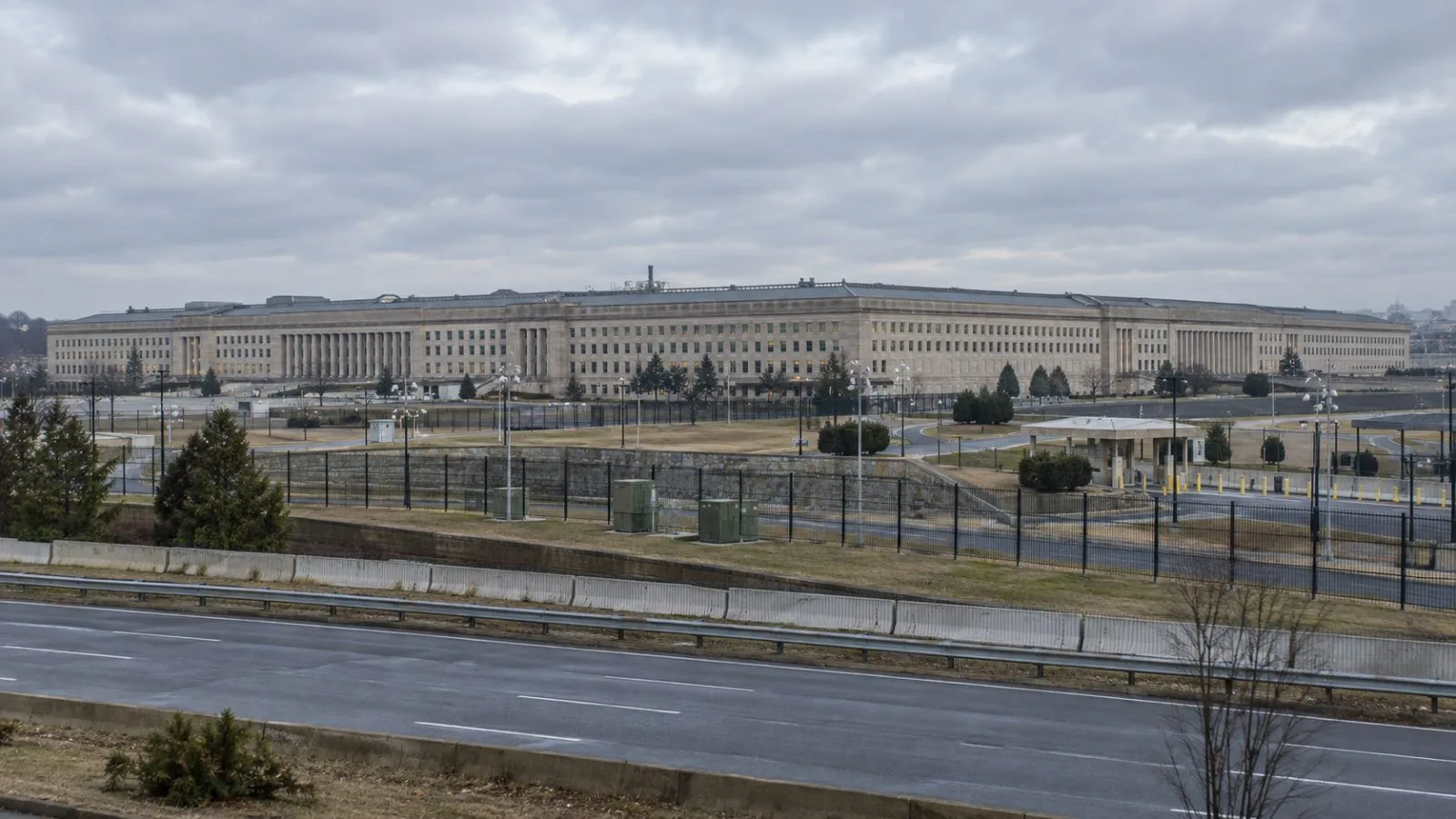
Pentagon officials privately asked several NATO governments, including Lithuania, Latvia and Estonia, to temper public warnings about Russia, Reuters reported, as Washington reviews its military presence in Europe.
Reuters said its account drew on four officials with knowledge of the discussions, three European and one American. They identified Lithuania, Latvia and Estonia among the countries contacted in bilateral meetings. The sources said Elbridge A. Colby, U.S. under secretary of war for policy, was one of the American officials conveying the request. Reuters said it could not establish whether other governments received similar messages or identify the other U.S. officials involved.
One European official characterized the message to Reuters as, “Just don’t be loud. Don’t make noise.” A U.S. Defense Department official told Reuters, “Private conversations among allies are just that,” while declining to address the allegations. Reuters said the three Baltic states’ defense ministries did not respond to its requests for comment; NATO also declined comment.
NATO’s public announcement says the review is ongoing and records that Colby briefed the North Atlantic Council on Aug. 27. Secretary General Mark Rutte said Defense Secretary Pete Hegseth had told allies Washington should assess its European presence against the security environment and consult NATO partners. NATO placed that review alongside its call for European allies to take greater responsibility for alliance defense.
Reuters reported that the review could result in a substantial reduction in U.S. forces in Europe. NATO has announced no troop cut, figure for any reduction or date for the review’s conclusion.
Reuters also described disagreement over how governments should discuss Russian risks. Some Western officials said emphatic warnings could spread fear and weaken public support for Ukraine; others argued voters should understand the resources and sacrifices needed to deter Russia.
NATO’s eastern-flank assessment says incidents affecting members and partners are becoming more frequent, including airspace violations, cyberattacks and sabotage. Estonia’s national risk assessment sees no imminent military danger but describes the Russian threat as existential over the longer term, with the outlook tied in part to the war in Ukraine, Russian military reforms and NATO deterrence. NATO has not announced when its U.S. force review will conclude.