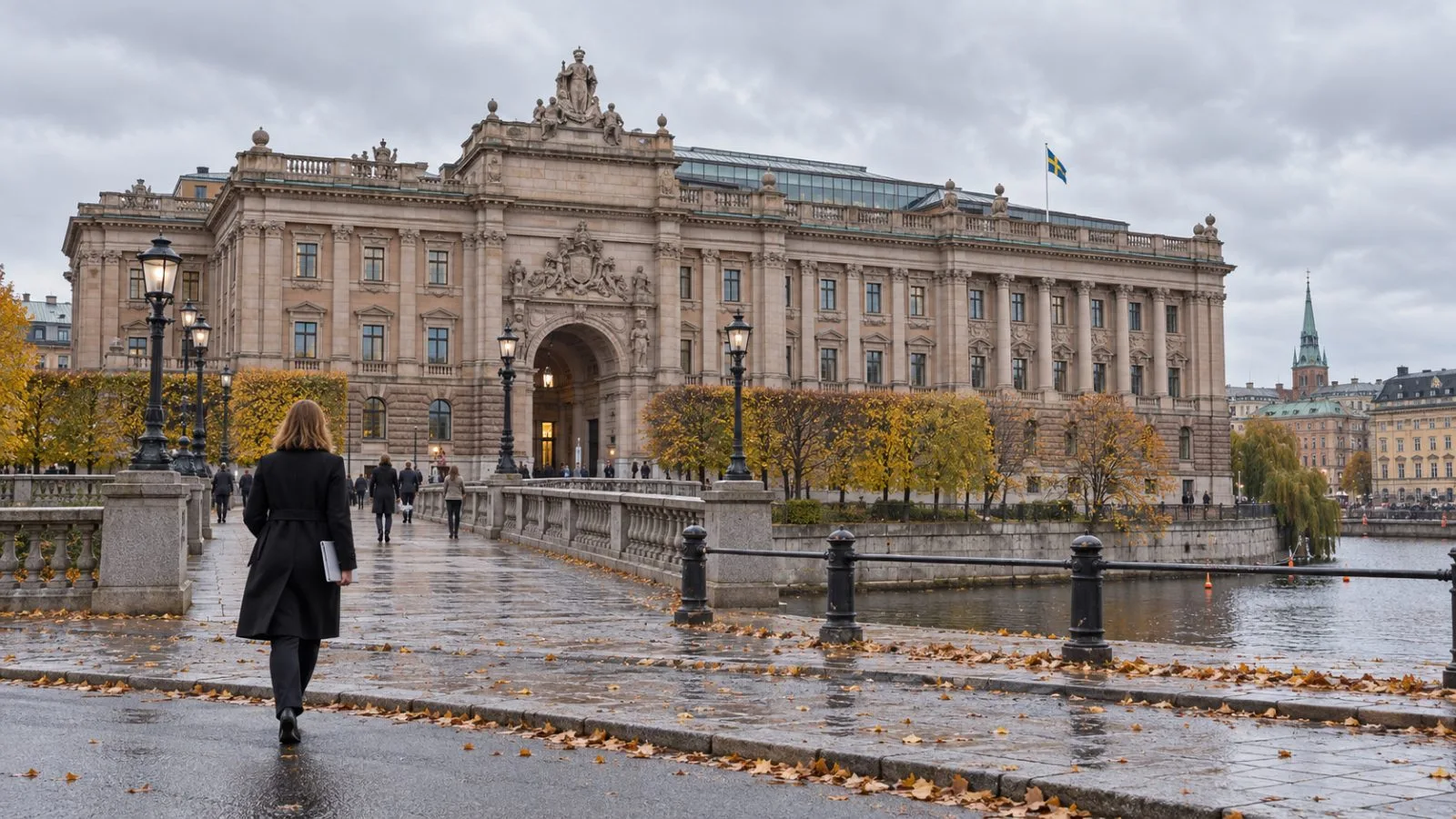
Sveriges Riksbank, Sweden’s central bank, raised its policy rate to 2% on Nov. 4, signaling another increase may follow within a year but leaving the timing open as inflation remains below target.
The 0.25-percentage-point increase lifted the rate from 1.75% and takes effect Nov. 11. The Riksbank expects another increase within the coming year if its projections for economic activity and prices remain on course. It did not identify a month for that move.
The bank’s November update put September CPIF inflation — the consumer price index with a fixed interest rate — at 1.5%, against its 2% target. It said inflation would have been 3% without the direct effects of temporary fiscal measures. A measure excluding both those measures and energy prices was 1.6%. The temporary measures included a food-tax reduction and lower public transport prices during 2026.
The Riksbank expects inflation to exceed 2% next year, citing stronger economic activity, costs from supply disruptions and the krona’s weakness during 2026. Preliminary figures showed GDP rose 0.4% quarter over quarter in the third quarter of 2026. Employment also increased in line with the bank’s forecast.
FXStreet reported that Commerzbank analyst Antje Praefcke saw the case for a December hike weaken after the announcement, shifting her attention to February 2027. She said falling energy prices could support delaying a move until February or later. In that scenario, she forecast EUR/SEK could rise above 11 kronor per euro. The timing and currency outlook are Praefcke’s analysis; the Riksbank did not specify when it might next raise rates.
The Riksbank’s September forecast had projected rate increases starting in 2026 if its outlook held. The bank describes its rate path as an assessment, not a commitment, and its November update contained no new forecast. The next policy decision and forecast are scheduled for Dec. 16, followed by another rate decision on Feb. 3, 2027.