Higher interest rates could burst the artificial intelligence bubble and push the United States into recession, the chairman of Rockefeller International said in an interview published on Nov. 12.
The risk extends beyond technology spending because stock market gains are also supporting American consumers. Investors worldwide have concentrated their bets on US shares, exposing them to a reversal.
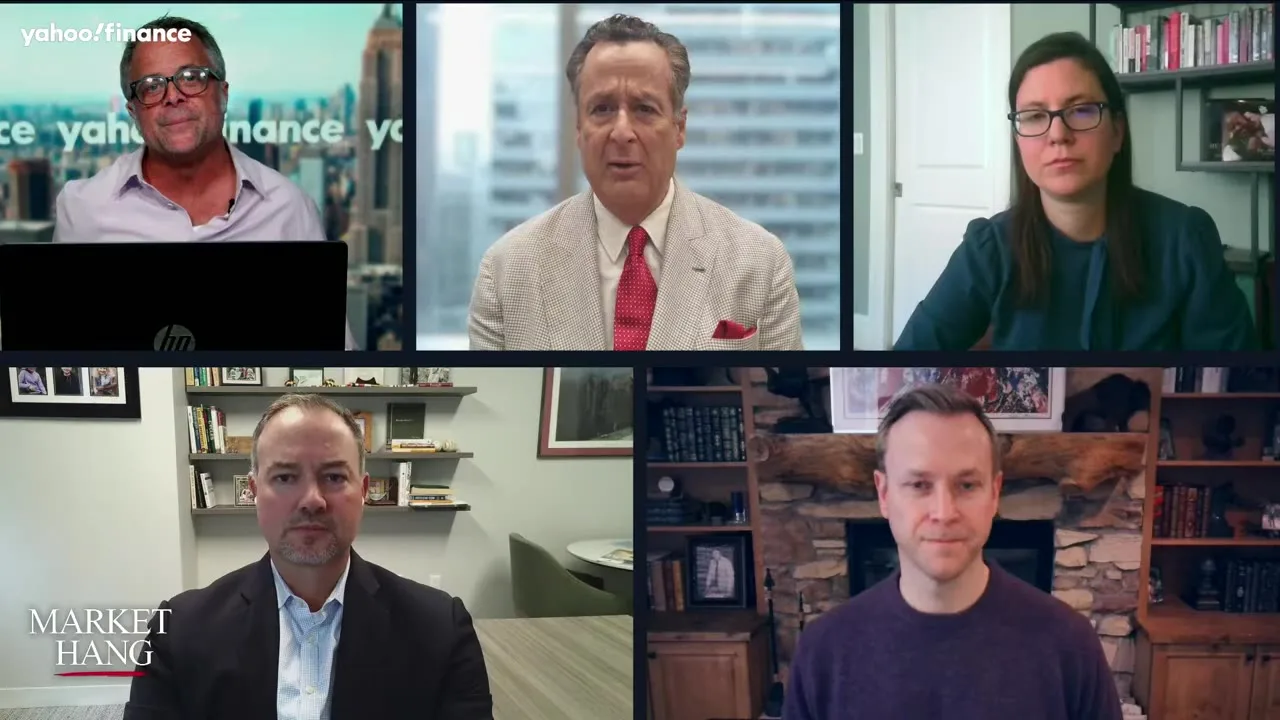
Speaking on Bloomberg Technology, the chairman, who also founded Breakout Capital and serves as its chief investment officer, described a recession following an AI collapse as a possible scenario.
He said AI investment showed all the characteristics of a bubble, but that did not establish when it would burst. Higher borrowing costs were the trigger he was watching.
“Bubbles just don't burst on their own,” he said. His research covering 300 years linked every bubble's collapse to higher interest rates and tighter access to money.
Some signs of those conditions had appeared, but he did not consider the damage sufficient to make a collapse his central expectation. Continued increases in interest rates could bring that scenario into play.
“America is one big bet on AI,” he said. He described two ways the technology boom supports the economy, through business investment and consumer spending supported by rising share prices.
Spending on equipment and infrastructure contributes to growth, although much of what companies buy comes from imports. He considered the boost to consumption from stock market gains a potentially underestimated channel.
The wealth effect, when rising asset values encourage people to spend more, has helped sustain consumption in recent months and quarters. Consumers remain the largest engine of the American economy.
He described a connection between AI investment, company profits and share prices. Investment supports profit growth, helping lift stocks, while those gains in turn encourage household spending.
“The stock market may be the one driving the economy,” he said. A reversal in that relationship could cause economic damage.
His calculations showed the United States attracted 70% of global equity market flows, twice its long-term average. He did not specify the period covered by that calculation.
The money came from American individual investors as well as overseas individuals, sovereign wealth funds and other institutions. That concentration would spread the cost of a US bubble's collapse internationally.
He said some Indian assets, parts of the Chinese market and European bank shares had offered protection during a brief AI selloff in the preceding weeks. He did not identify specific securities.
The remarks left open when a bubble might burst and how far interest rates would need to rise to trigger it.