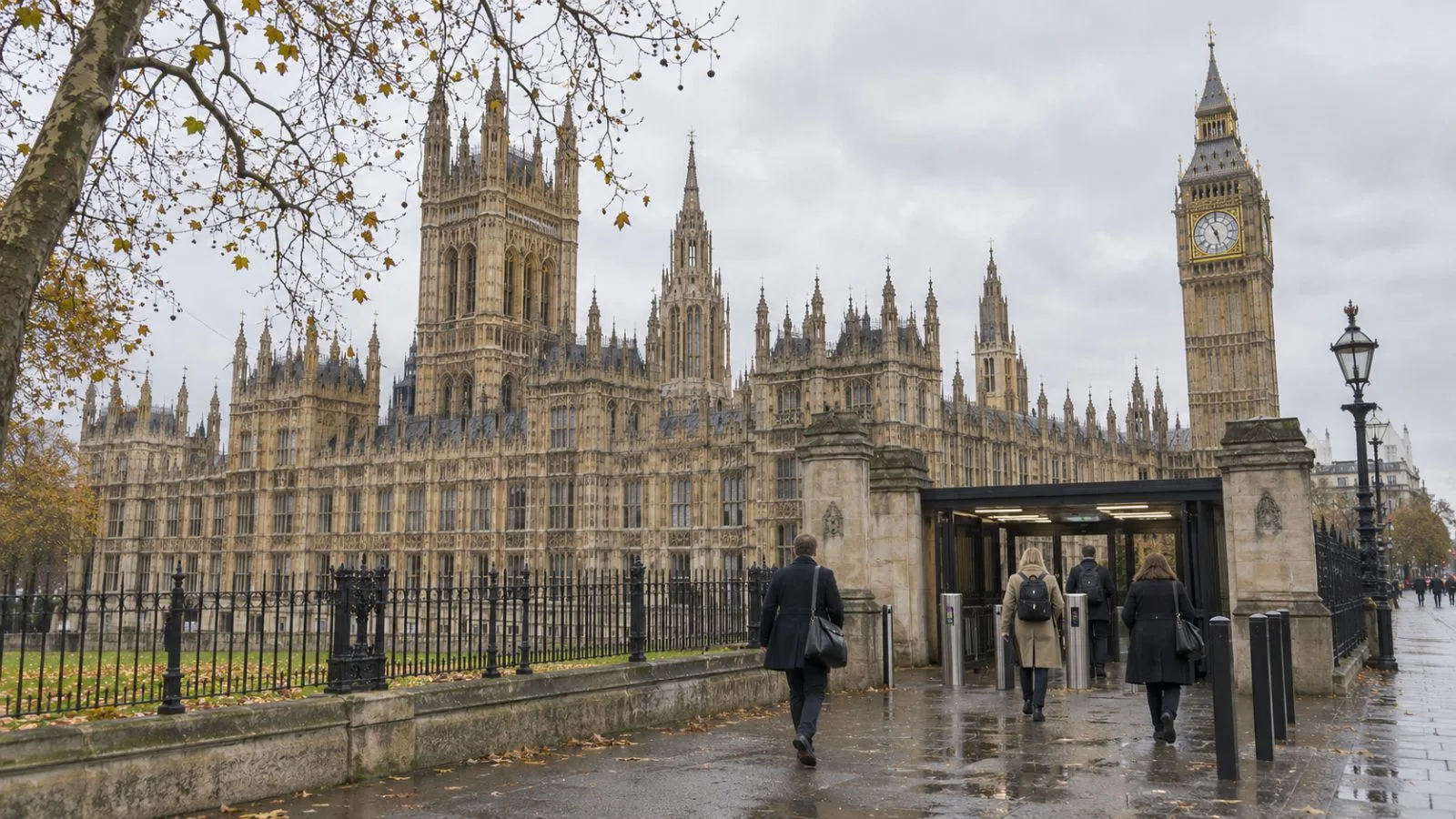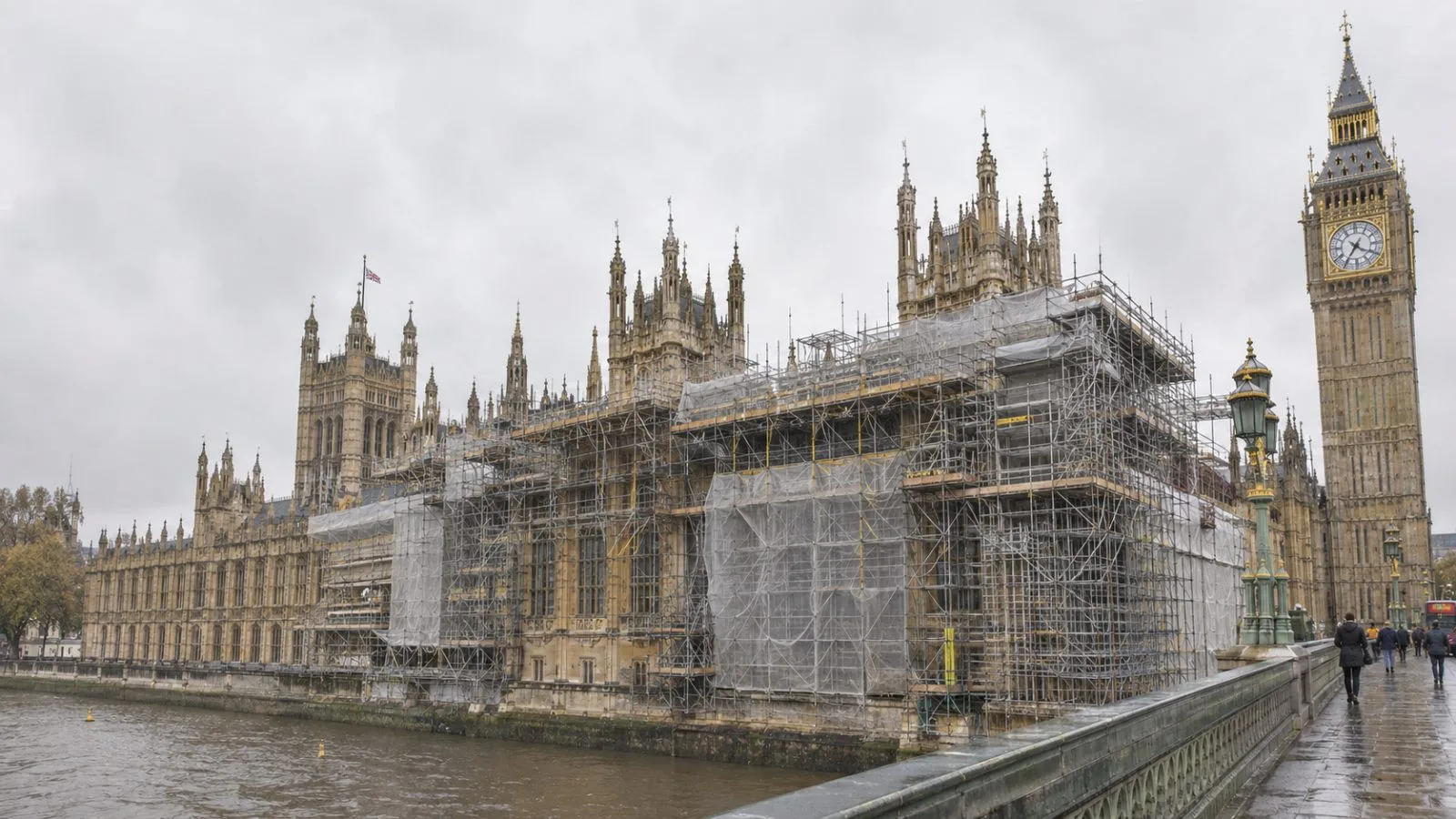
The UK government said legislation would end religious restrictions on ministers advising the sovereign on church appointments, restoring those responsibilities to the prime minister, in remarks published by Parliament on Nov. 12.
The restrictions now affect the prime minister after the appointment in July of a holder of the office who professes the Roman Catholic faith. The Lord Chancellor currently exercises the relevant responsibilities under temporary administrative arrangements.
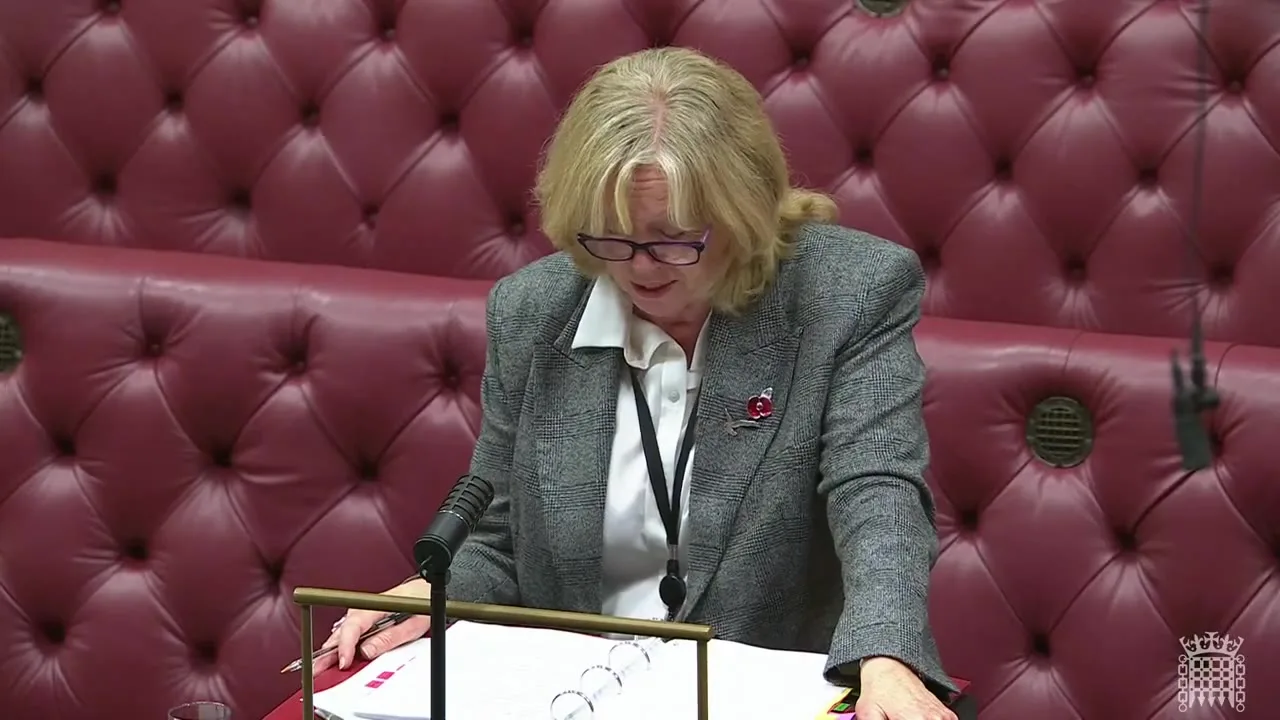
The government set out its position during a House of Lords debate carried on UK Parliament's own channel. The account reflects the government's explanation of its legislation.
The bill would remove legal barriers preventing Roman Catholic and Jewish officeholders from advising the sovereign on certain church appointments. It would also let them make appointments directly where their offices give them that responsibility.
The legislation had passed the House of Commons with support across parties before reaching the Lords. The supplied proceedings did not establish the outcome of the Lords debate or a timetable for completing the remaining parliamentary stages.
The government said the bill would apply across the United Kingdom and take effect on royal assent, the sovereign's formal approval of legislation. It gave no date for that approval.
The restrictions come from the Roman Catholic Relief Act 1829 and the Jews Relief Act 1858. Those laws removed many barriers to Catholic and Jewish participation in public life but retained limits involving church appointments.
The bill's first clause would repeal sections 17 and 18 of the 1829 act and the entire 1858 act. It would remove restrictions on both faiths and on appointment rights attached to offices including the Lord Chancellor.
The second clause sets out where the legislation applies, when it takes effect and its short title. The proposed changes concern religious eligibility to exercise existing responsibilities.
The bill would leave the constitutional relationship between the Crown, government and Church of England unchanged. It would not reopen the church's established status, its formal relationship with the state.
Prime ministers of other faiths, other Christian denominations or no faith face no equivalent restriction on giving this advice. The government considers the different treatment of Catholics and Jews unjustifiable.
In practice, the prime minister generally does not take an active role in selecting clergy. The government nevertheless regards the ability to advise the sovereign as part of the office's constitutional responsibilities.
Parliament removed a restriction on Catholic priests sitting and voting in the Commons in 2001. Legislation passed last year also allowed a Roman Catholic to serve as Lord High Commissioner to the Church of Scotland's General Assembly.
The government maintained that the new bill would complete that process, leaving no statutory religious restrictions affecting ministers and other Crown appointees. That assurance depended on the legislation passing.