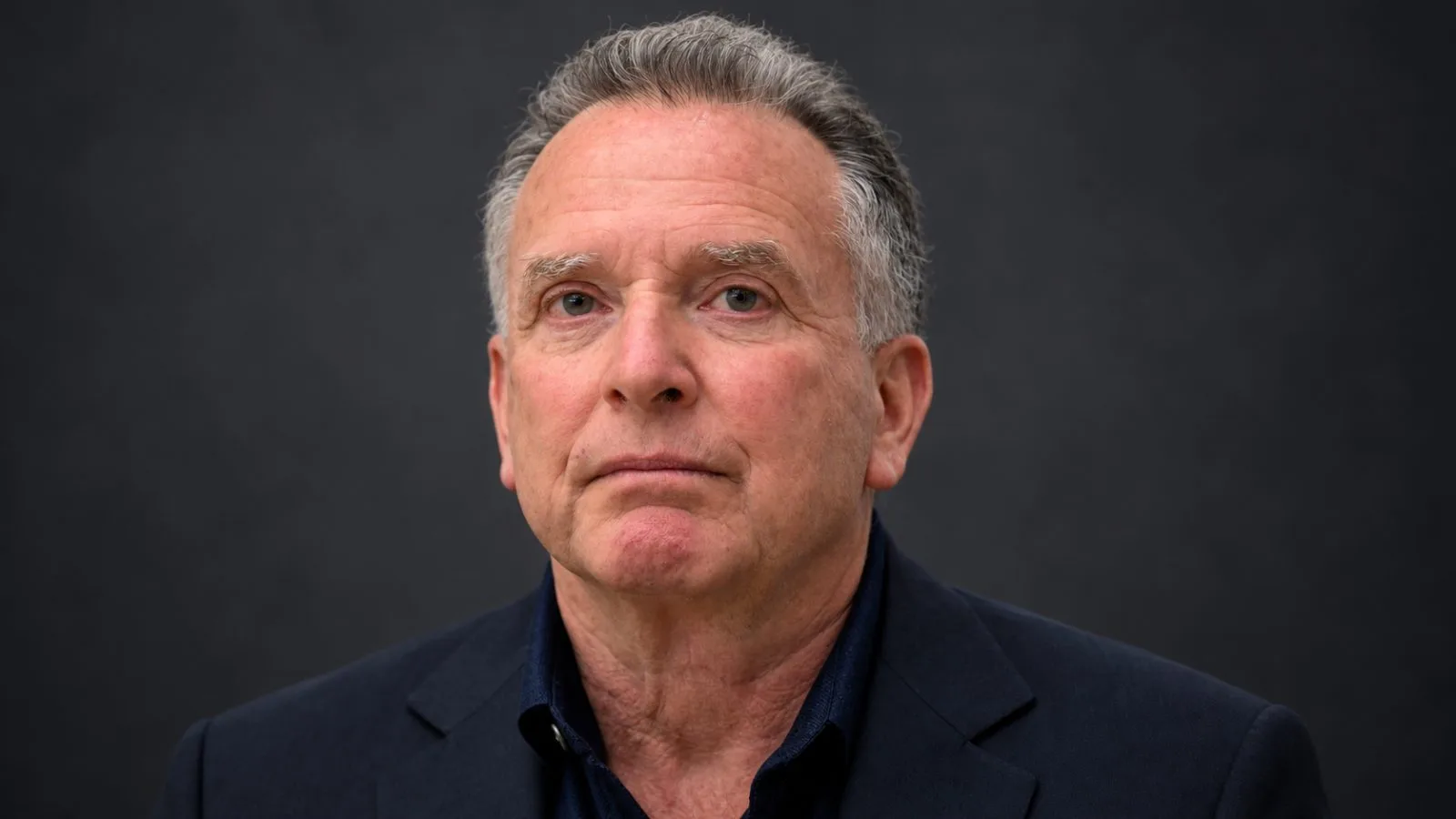
Romania installed Prime Minister Luca Niculescu’s government on Oct. 20 after Parliament approved his Cabinet, shifting attention to budget decisions as the country confronts the European Union’s largest reported 2025 general government deficit.
Eurostat’s first notification in April put that deficit at 7.9% of gross domestic product. In its May forecast, the European Commission projected a deficit of 6.2% for 2026. The Council of the European Union has called for Romania to end its excessive deficit by 2030.
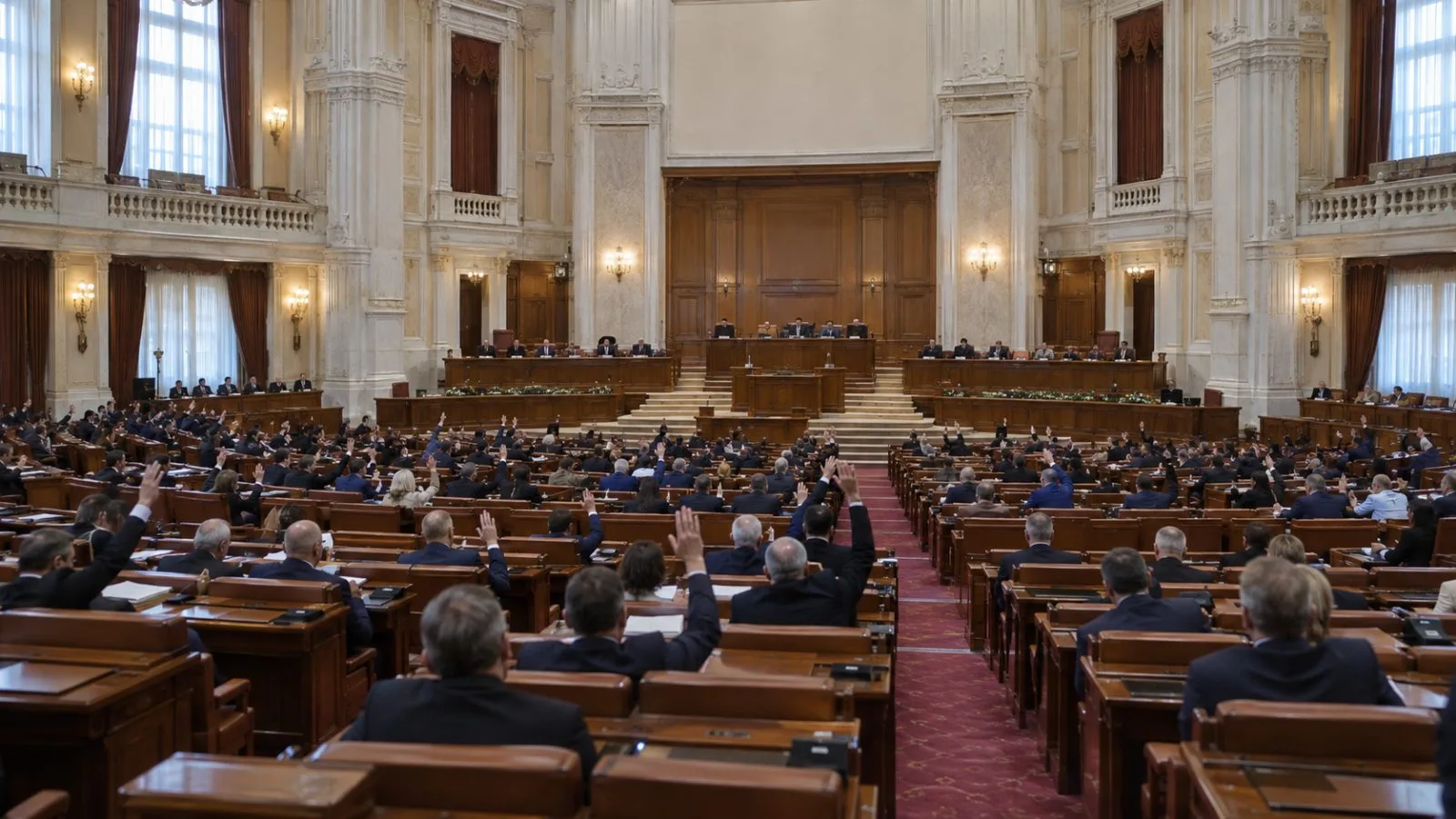
Lawmakers voted 280-58 for the Cabinet, above the required 233 votes. President Nicușor Dan signed its appointment decree, and ministers took their oaths at Cotroceni Palace. Niculescu said the government held its first meeting that evening.
The vote ended a caretaker period that began after Parliament dismissed former Prime Minister Ilie Bolojan’s government on May 5. Until the new Cabinet took office, the outgoing administration’s powers were limited to administering public affairs.
The Social Democratic Party holds 11 of the Cabinet’s 18 ministerial posts, including one delegated post. Independents hold the other seven, including the second delegated post. Bolojan, who leads the National Liberal Party, said his party backed the appointment to end the political crisis but would remain outside the government. Democratic Union of Hungarians in Romania leader Kelemen Hunor also supported the Cabinet without joining it and said budget and social problems remained.
Niculescu put a budget revision, preparation of the next budget and winter readiness on ministers’ immediate agenda. He gave no date for submitting or approving that budget. The Commission’s May forecast said fiscal tightening and higher energy prices were expected to reduce household purchasing power and consumption in 2026.
Eurostat is scheduled to release updated 2025 deficit and debt figures on Oct. 21, providing the next measure of the fiscal position facing the new government.