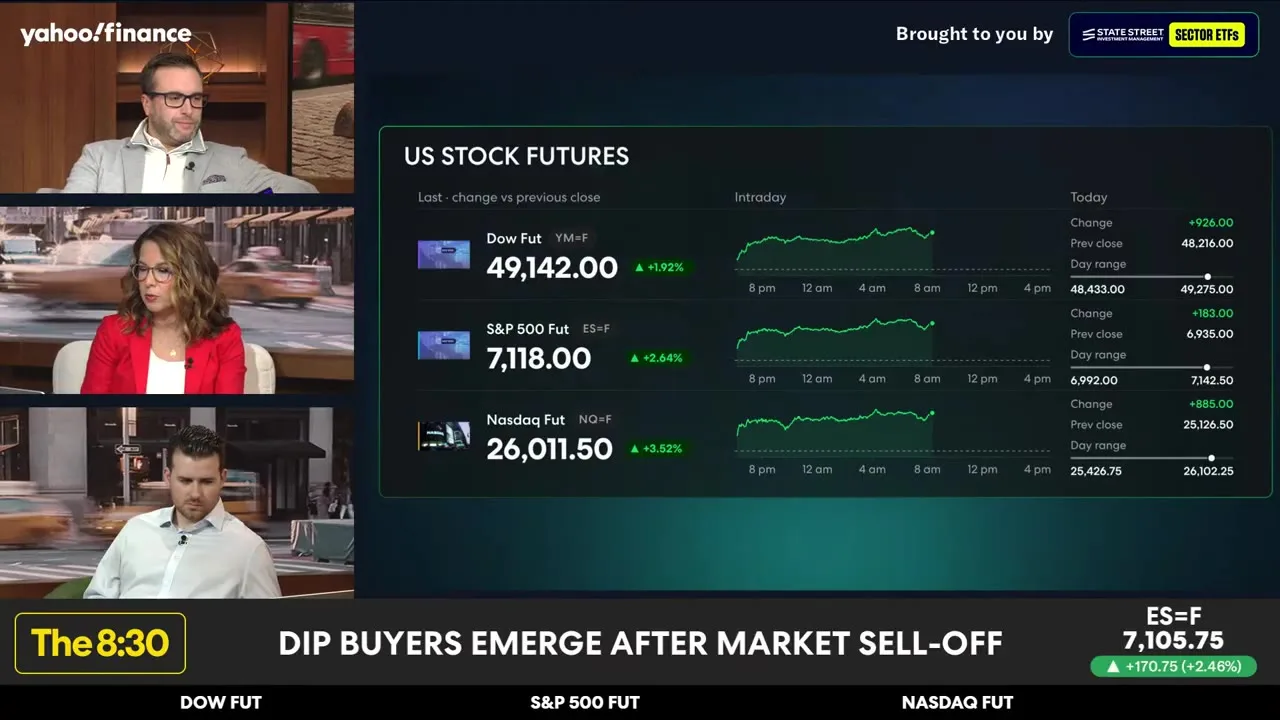
The S&P 500 had fallen 10% without reaching a fundamental bottom, Drew Pettit, chief investment strategist at Roundhill Investments, said on Yahoo Finance's The 8:30, published Nov. 23.
Pettit said the decline had brought market expectations into better balance after a period when prices reflected considerable good news. He said Roundhill was telling clients it was a better time to consider buying after the drop, although he did not see a complete selloff.
Measures tracked by Roundhill showed investor sentiment at its worst since the pandemic and the April 2025 period known as Liberation Day, Pettit said. Those measures include options data, which can show how much investors pay for protection against losses.
He said the short-term earnings picture still looked good, even as the decline removed some excess from the market. He did not say what level would mark a bottom.
Net futures positions had risen slightly from a low, while the total amount investors held in long and short positions remained low, Pettit said. Money was also returning through exchange-traded funds and individual investors, he said.
Pettit said a sustained rise would require investors to return, and that there were few immediate events likely to draw them back. He said upcoming earnings from Micron and Broadcom needed to be good, with stronger company commentary.
He said investors would also want information about the adoption of Meta's products, Amazon's development work and Google's plans for its Gemini artificial intelligence products. Apple was also gradually returning to the conversation, he said.
Pettit said a single headline was unlikely to restore confidence at current levels of sentiment. He said investors would need a succession of signs that companies could show results from artificial intelligence.
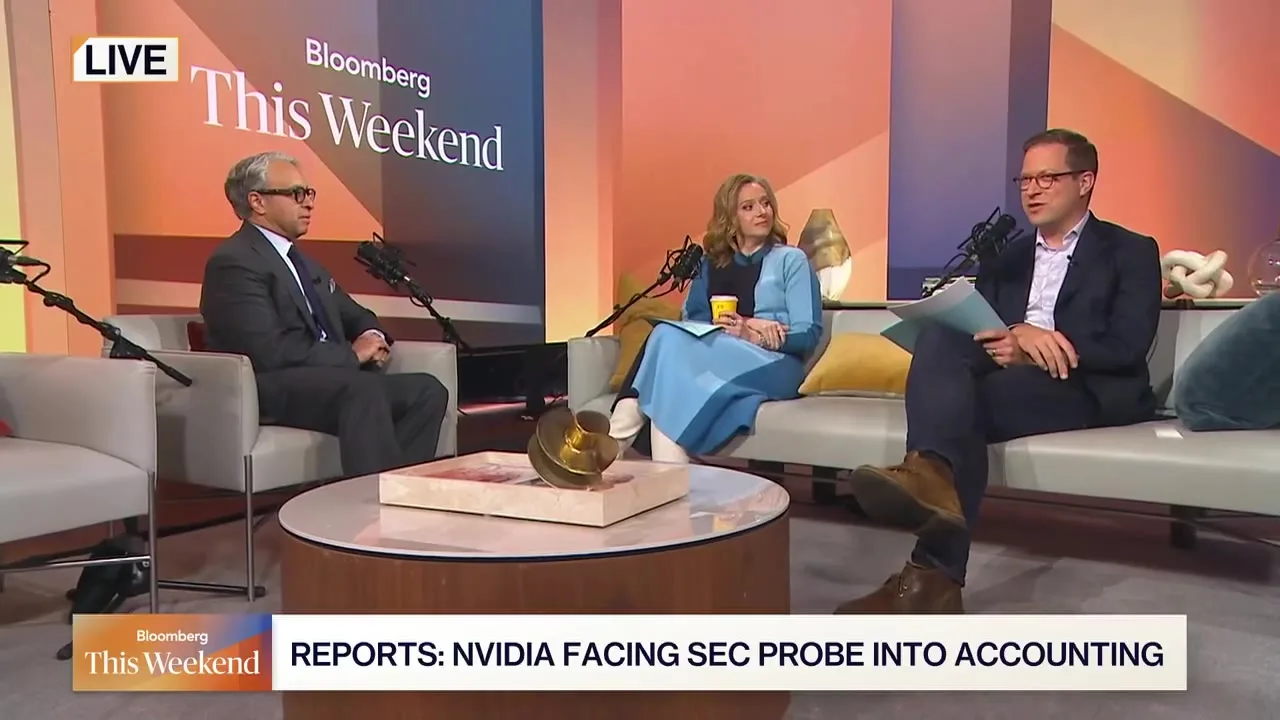
He said concerns about espionage, security and export rules were confronting what he described as an early growth story for artificial intelligence infrastructure. Potential U.S. securities investigations were also part of the questions investors faced, he said, without identifying an investigation or its target.
Pettit said stocks were still not cheap when measured against long-term growth expectations, although those expectations had become more reasonable. The selloff had spread beyond artificial intelligence stocks, he said.
He also said credit spreads, the extra interest borrowers pay over a benchmark, had widened while rates rose in recent weeks. He said the combination put pressure on companies whose fortunes tend to follow the economy, including smaller businesses.
Demand for computing power remained strong and prices were still rising, Pettit said. He said a steeper rise in those prices could encourage more construction, but did not say how much additional capacity would be built.