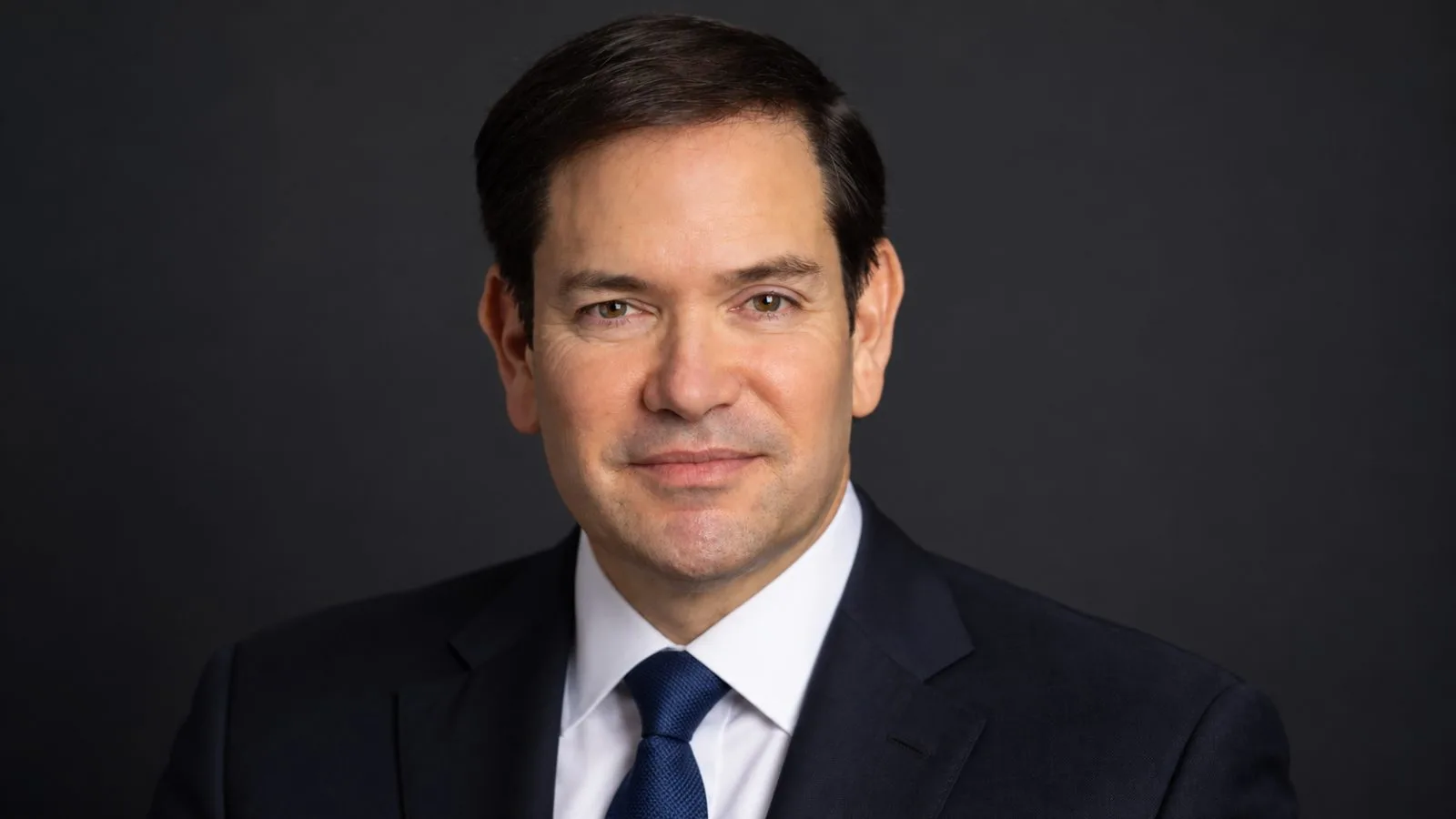
U.S. Secretary of State Marco Rubio defended President Donald Trump's Iran war decision Sunday, Nov. 8, while sidestepping Vice President JD Vance's claim that the conflict drove Republican losses, as voters also cited living costs.
Asked about Vance's view, Rubio said Trump had confronted what he described as a longstanding nuclear threat. He offered no opinion on the election result, and characterized talks with Iran as unproductive, saying an agreement was not close.
Vance wrote on X Wednesday, Nov. 4, that the war was the reason Republicans lost the congressional elections held Tuesday, Nov. 3. In a CBS 60 Minutes interview aired Sunday, Trump said he agreed with Vance's assessment of the war's electoral impact, but would make the same decision again.
The AP Voter Poll found that about six in 10 voters considered U.S. military action against Iran the wrong decision. Roughly half said the cost of living was crucial to their congressional vote, compared with about one-third who said that of the Iran war. Those survey responses cannot establish how many seats either issue cost Republicans.
The U.S. Energy Information Administration (EIA) reported that regular gasoline averaged $4.153 per gallon in the week dated Monday, Nov. 2. That was $1.134 above the year-earlier level but $0.116 below the previous week. The EIA links constrained Middle Eastern oil flows to pressure on crude prices, while higher crude costs and rising refining margins contribute to retail gasoline increases.
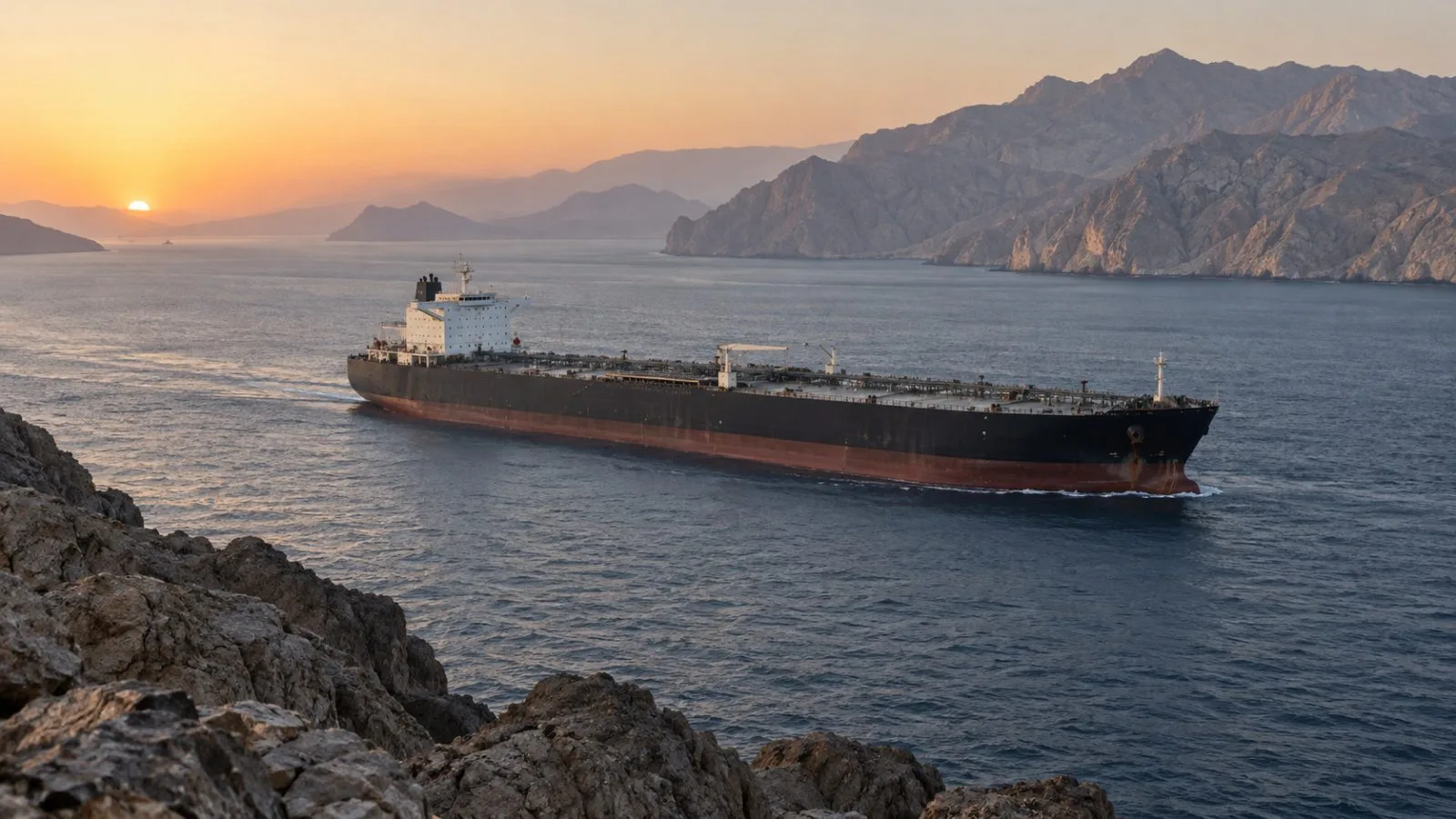
EIA estimates show crude oil and petroleum liquids moving through the Strait of Hormuz averaged 21.6 million barrels per day in the fourth quarter of 2025, before the conflict, and 4.9 million barrels per day in the second quarter of 2026. The agency's next energy outlook is scheduled for Tuesday, Nov. 10.