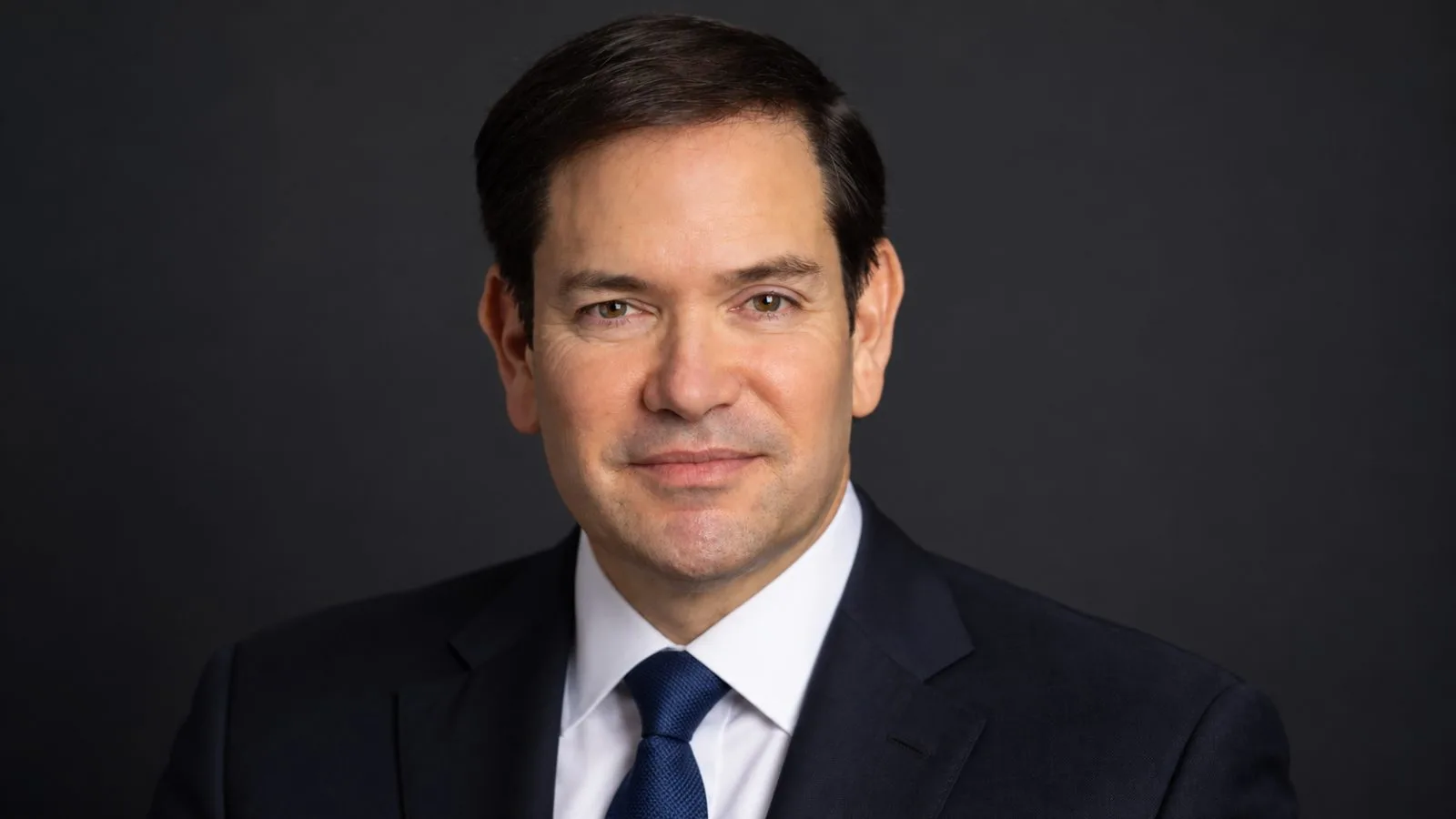
U.S. Secretary of State Marco Rubio and Uzbekistan Foreign Minister Bakhtiyor Saidov said Oct. 19 they would expand cooperation on critical minerals, as human rights lawyers pressed Washington to seek prisoner releases.
Uzbekistan’s presidency said agreements worth $12 billion were signed at a bilateral business council meeting in Samarkand that day. Its account did not list the individual deals. EconoTimes previously covered the agreements.
The appeal preceded Rubio’s visit. In an Oct. 16 article, Human Rights Foundation lawyers Kaitie Holland and Sergei Korotkov argued that Uzbekistan’s interest in U.S. investment and permanent normal trade relations gave Washington an opportunity to press for the release of people they describe as political prisoners. That demand was the lawyers’ position, not an announced U.S. condition for closer trade ties.
They highlighted the case of Dauletmurat Tazhimuratov, a Karakalpak lawyer imprisoned after opposing constitutional proposals in 2022. U.N. experts said those proposals would have stripped Karakalpakstan of its autonomy and its referendum route to secession.
The U.N. Working Group on Arbitrary Detention (WGAD) found Tazhimuratov’s detention arbitrary and called for his release. He received a 16-year sentence in January 2023. Human Rights Watch reported that another conviction in May 2026 brought his combined term to 18½ years.
Uzbekistan rejected the working group’s finding. In a reply to U.N. experts, the government said Tazhimuratov had received a fair trial and denied allegations that he had been mistreated.
The U.N. Committee on the Elimination of Racial Discrimination (CERD) cited reports that at least 21 protesters were killed and hundreds injured during the July 2022 unrest in Karakalpakstan. It called for independent investigations and for Uzbekistan to implement the working group’s opinion.
Uzbekistan already receives temporary normal trade relations treatment from the United States. A House bill introduced in March 2025 would, after presidential certification of Uzbekistan’s membership in the World Trade Organization, authorize the president to determine that Jackson–Vanik trade provisions no longer apply and proclaim normal trade relations. The bill has not become law.
The State Department’s public account of Rubio’s meeting discussed minerals, civil nuclear technology and space cooperation. It did not mention prisoners. The United States and Uzbekistan said in a June 25 statement that they would accelerate negotiations on a reciprocal trade and investment agreement, without setting a date for its completion.