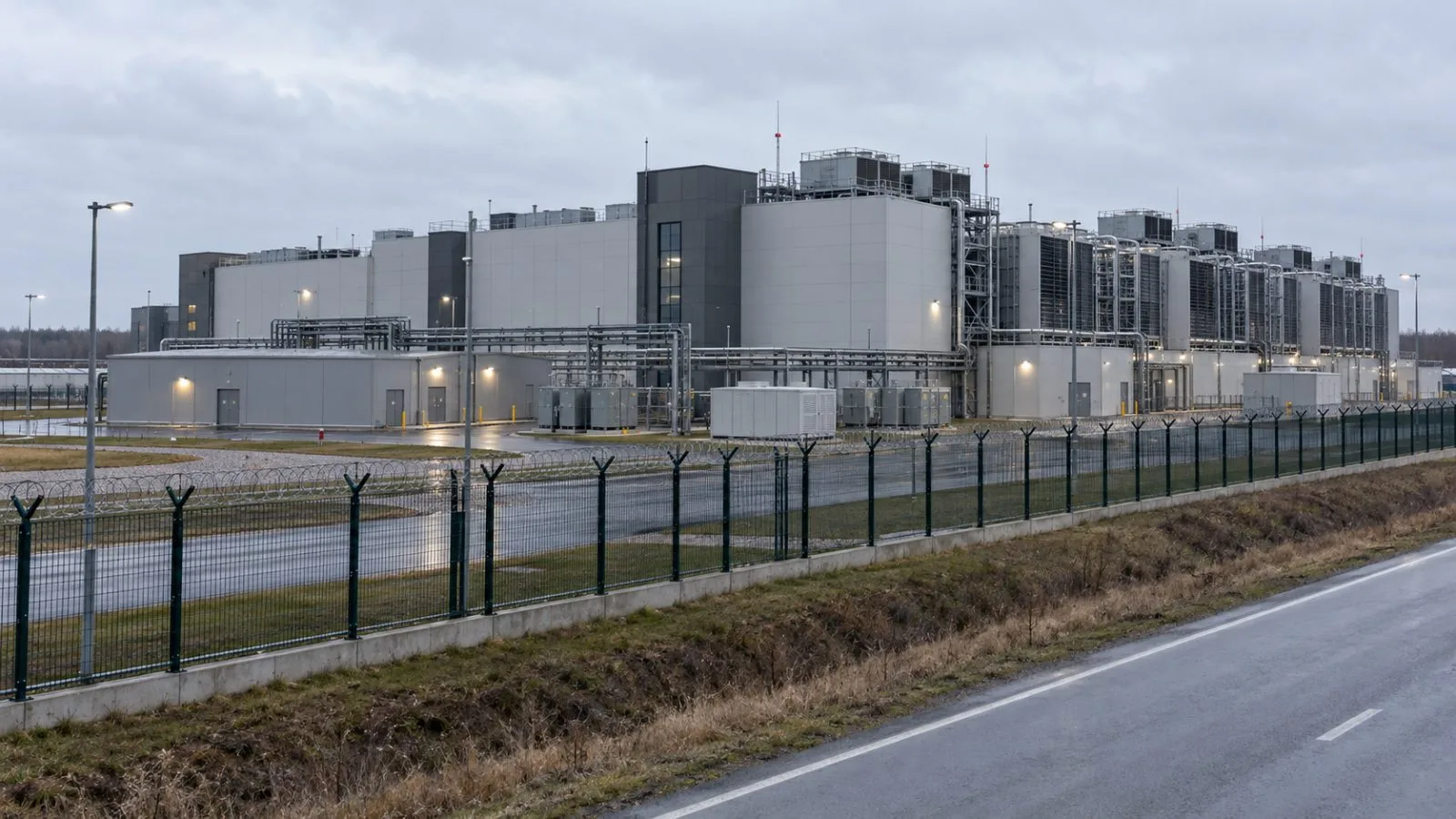
Russia’s Ministry of Digital Development, Communications and Mass Media has circulated guidance on protecting data centers from drones after attacks on major operators, potentially adding to providers’ costs, Kommersant reported.
The ministry confirmed to Kommersant that it had distributed the recommendations. The newspaper said it examined guidance covering data centers being planned, built or operated, regardless of ownership. The full document has not been released publicly.
Industry sources cited by Kommersant estimated that protection work could raise providers’ service prices by about 10%, excluding inflation. They gave no time frame for the estimate.
The guidance follows attacks on Yandex facilities. The company said a drone strike severely damaged its Sasovo center overnight Oct. 7-8, an Oct. 9 attack disabled part of its Kaluga facility, and an Oct. 11 strike halted operations at its Vladimir site. Yandex said the centers support services used by individuals and businesses. The Associated Press attributed the strikes to Ukraine; Yandex did not identify an attacker.
EconoTimes previously covered disruptions to Yandex Pay after the Vladimir strike. Sberbank First Deputy Chairman Alexander Vedyakhin said the bank’s Balakovo data center was attacked Oct. 14 and that its systems and services were operating normally afterward, Kommersant reported.
Kommersant said the recommendations divide sites into three tiers based on what an outage would affect. The highest covers facilities where a failure could interrupt key government functions for at least one hour. The next covers regional or industry systems facing disruption of four hours or more. The third includes corporate centers whose loss could cause substantial losses for individual organizations without large-scale consequences for the state.
For strategic facilities, Kommersant reported a preference for underground, rock-sheltered or bunker locations. It said the guidance recommends making existing sites harder to spot from the air, strengthening their structures, adding electronic protections and defenses against aerial threats, and backing up critical services.
Deputy Digital Development Minister Dmitry Ugnivenko said Oct. 21 that a ministry task force had already identified communications sites for protection, Interfax reported. He emphasized backup capacity for communications nodes and trunk lines.