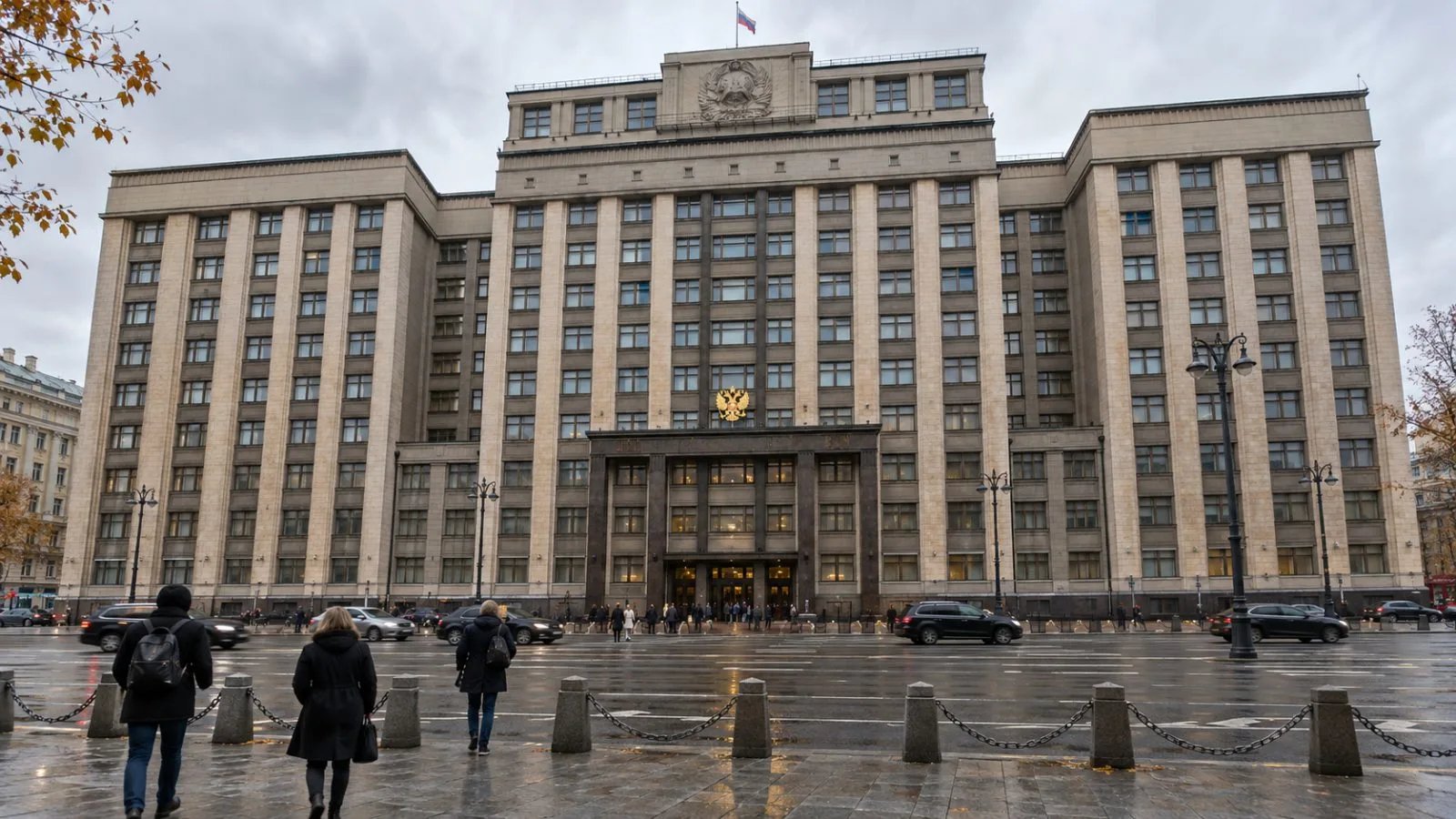
Russia’s State Duma, the lower house of parliament, has advanced a budget with 17.1 trillion rubles ($202.6 billion) for defense as proposed cuts reduce several civilian programs.
The Moscow Times reported the draft won first-reading approval on Oct. 29. It said the defense allocation would be a record and exceed one-third of federal spending.
National security and policing would receive 7.6% more. Together with defense, those allocations would total 21.3 trillion rubles ($262.1 billion), or 44% of government spending, according to the outlet.
The proposed reductions vary by sector. Housing and utilities would see the largest cut, at 8%, while social support would fall 6%. Economic support and health care are each slated for a 3% reduction, the report said.
The Moscow Times said the proposed taxes would help cover costs from Russia’s war in Ukraine. The draft would apply a 22% value-added tax on cross-border online retail and a small customs fee on small international packages. A progressive tax on passive personal income would reach as high as 22%.
The Moscow Times reported that the draft would impose a 35% charge when dividends are transferred to Type C accounts held by non-residents, plus a 30% tax on excess profits in mining and metallurgy. Taken together, the measures span retail transactions, parcel shipments, individual income and company profits.
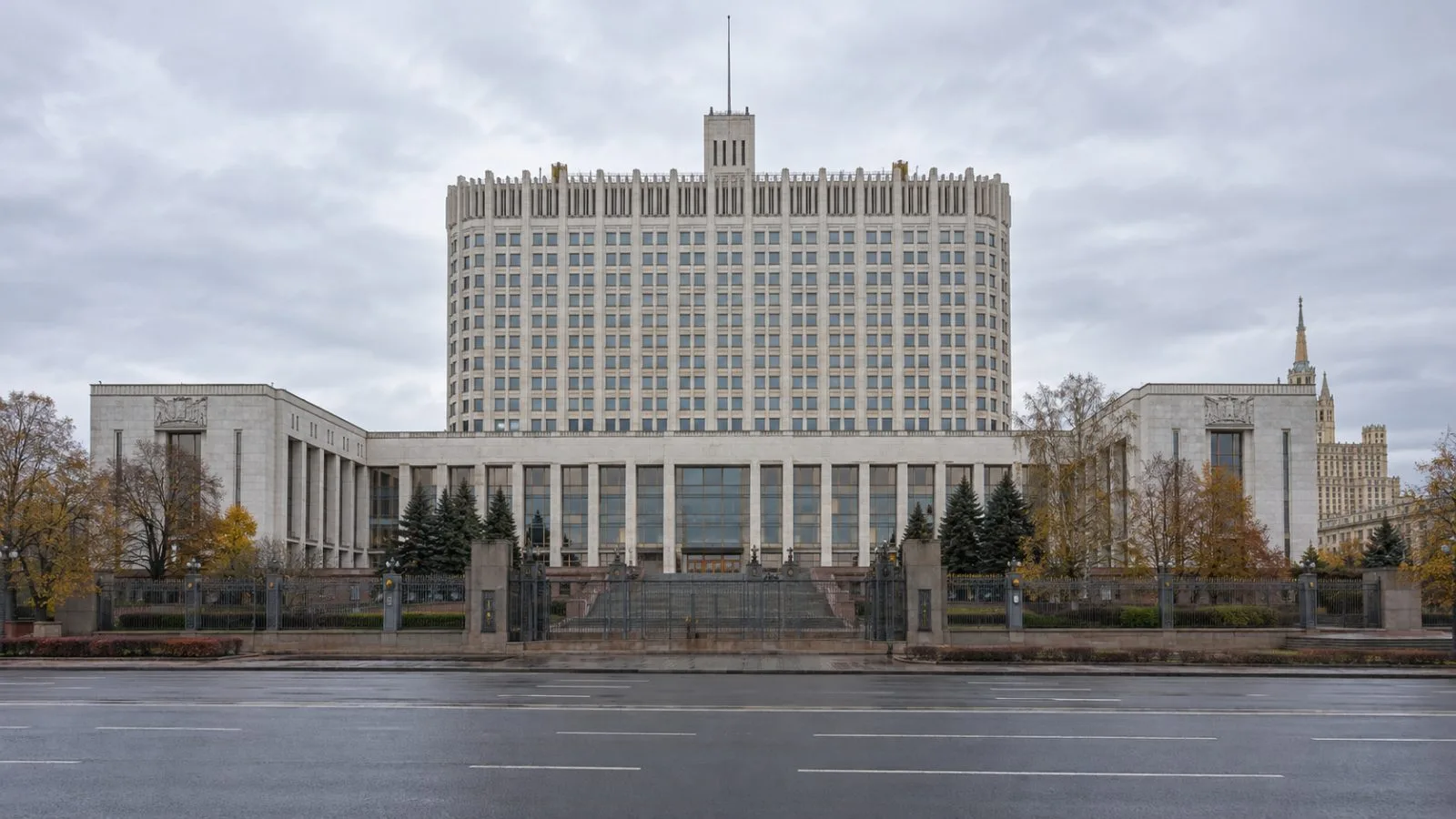
Finance Minister Anton Siluanov said the budget would maintain social obligations while supporting the military operation and President Vladimir Putin’s national development goals, The Moscow Times reported.
The tally was 372 votes in favor, 51 abstentions and none against, the outlet said. The bill next faces a second reading, then a vote in the Federation Council, Russia’s upper house. It would require Putin’s signature afterward.