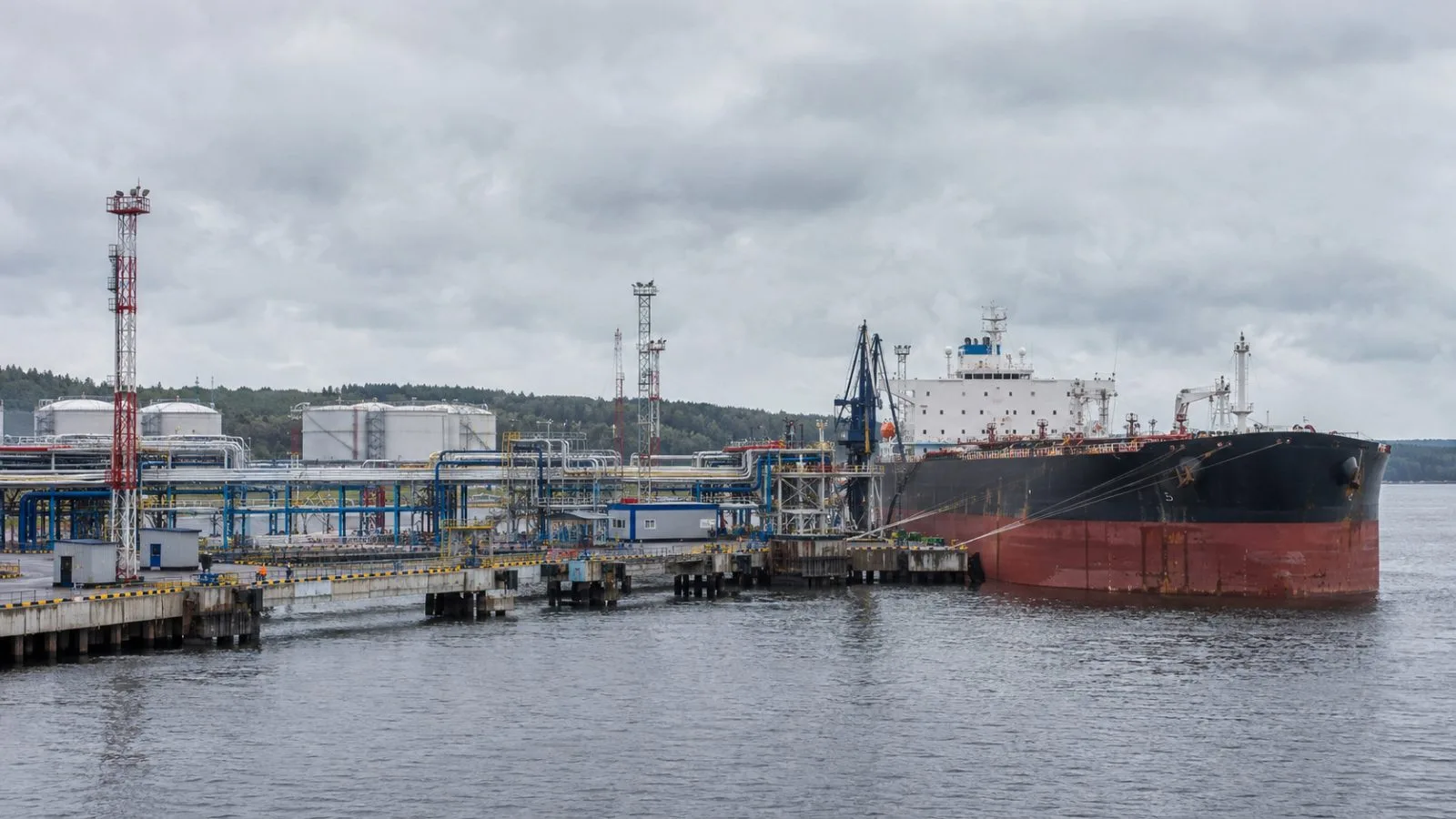
Two tankers linked to President Donald Trump's Russian diesel plan have moved away from routes toward the U.S. Atlantic coast, leaving deliveries uncertain, the Financial Times reported.
The Hong Kong-owned Leruo's signal pointed to Brazil on Monday after it had previously indicated the U.S. Atlantic coast, the Financial Times reported. The Independent said the vessel was under sanctions imposed by the United Kingdom, European Union and Canada. Off Algeria, the Talisman's tracking signal displayed “for orders”; the Financial Times said the vessel had entered the Mediterranean after turning away from the U.S. coast. The report said no destination port or buyer had been confirmed. The Independent reported that the United States, United Kingdom and European Union had sanctioned the Talisman.
Two other vessels still showed possible Atlantic routes, according to the Financial Times. The Greek-owned Agioi Fanendes remained pointed toward the U.S. East Coast, with earlier estimates putting its Russian diesel cargo at roughly 40,000 tons. The Seychelles-owned Beast loaded diesel at Russia's Primorsk port on Oct. 27, and its signal still showed “Atlantic.”
President Donald Trump announced a diesel arrangement with Russian President Vladimir Putin on Oct. 9, saying Russia would begin with 300,000 metric tons of diesel, or 2.25 million barrels.
The Independent reported that global fuel prices had surged amid Iran's blockade of the Strait of Hormuz. Before the conflict began Feb. 28, the waterway carried about one-fifth of the world's oil and gas supplies.
Ukrainian President Volodymyr Zelensky said the deal left him feeling betrayed and suggested Washington consider a diesel arrangement with Ukraine. EconoTimes previously covered his criticism of the arrangement. Lithuanian Foreign Minister Kestutis Budrys said he saw no benefit for oil-product prices or transatlantic unity.
Trump's announced timetable called for 500,000 tons in November, followed by 1 million tons immediately thereafter.