South Korea plans to expand its tariff-rate quota on energy and food imports as it deals with inflation and the strong US dollar.
The zero-tariff policy for liquefied natural gas (LNG) imports within the quota will be extended by three months to March 2023.
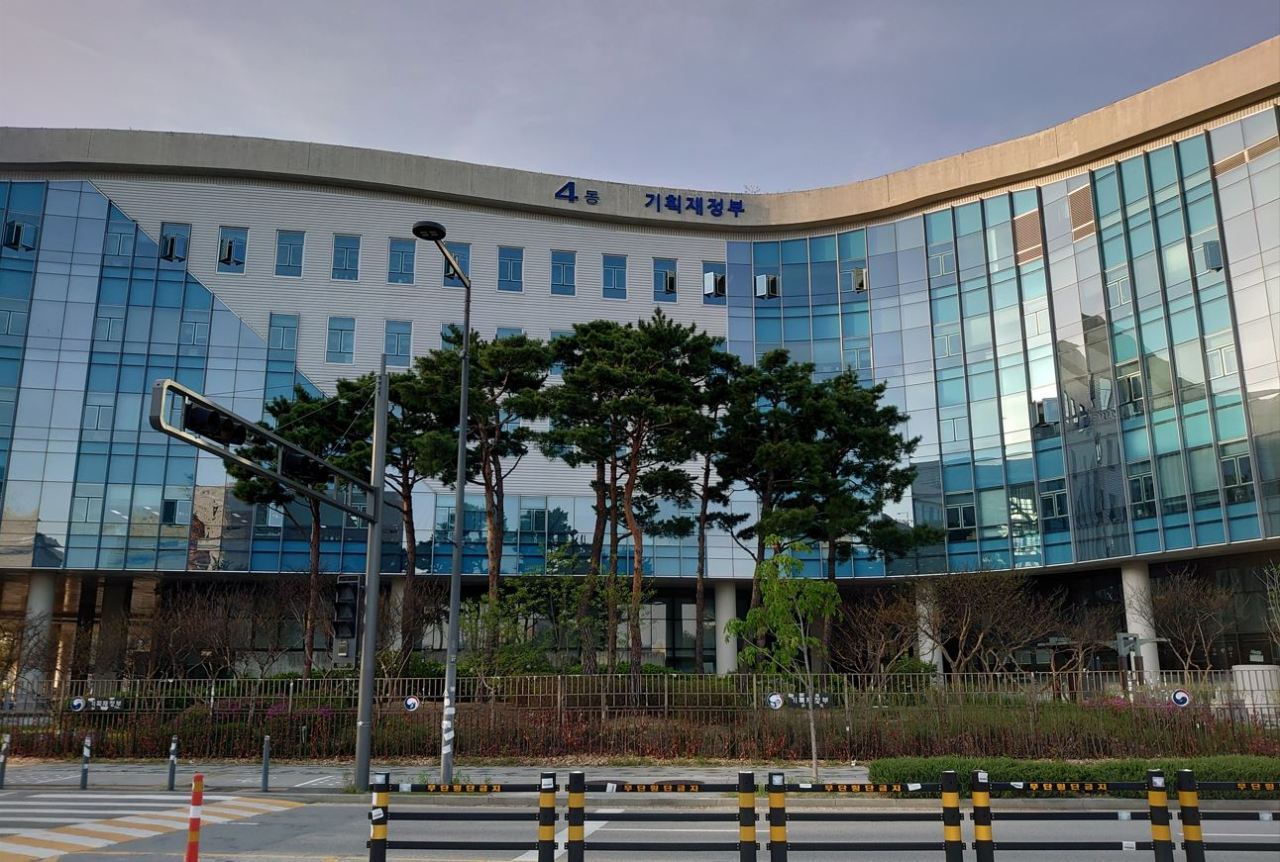
The Ministry of Economy and Finance estimates that the decision will result in a 482 billion won reduction in overall charges.
Following an outbreak of avian influenza here earlier this month, which may have an adverse effect on production the following year, South Korea also agreed to use the zero-tariff policy on eggs within the quota through June of that year.
The system will be used to cut the tariffs from the current 30% to 0% on popular imported fruits like mangoes, pineapples, and bananas through the end of this year.
In this year's turbulent global economic environment, the Korean won fell by as much as about 17 percent versus the US dollar, raising import costs and igniting inflationary pressures.
Consumer prices in the nation increased 5.6 percent year over year in September.