


 Fed Unveils Stablecoin Rules Under GENIUS Act
  RBA Hikes Interest Rate to 4.60% as Inflation Risks Rise
  BOJ Set to Raise Rates to 1.25% as Inflation Risks Build
  Nvidia China Chip Sales Report Sends Chinese Semiconductor Stocks Lower
  China, US Extend Trade Truce Through January 10 After Trump-Xi Summit
  U.S. Stock Futures Steady as AI, Rate Concerns Weigh
  Oil Prices Jump Nearly 3% as Iran Holds Firm on Hormuz Conditions
  US Dollar Hits Two-Month High as Aussie, Pound Slide
  Asian Currencies Mixed as Yen Weakens, RBA Hike Looms
  Asian Chip Stocks Tumble as OpenAI Safety Pause Sparks AI Growth Concerns
  RBA Says ASX Still Falls Short on Governance and Risk Controls
  South Korea Exports Set for 16th Monthly Gain on AI Chip Demand
  Gold Slides Below $4,300 as Oil Surge Fuels Fed Rate Hike Bets
  Fed’s Hammack Says Bond Yield Surge Is Not Driven by Inflation Fears


 Add as a preferred source on Google
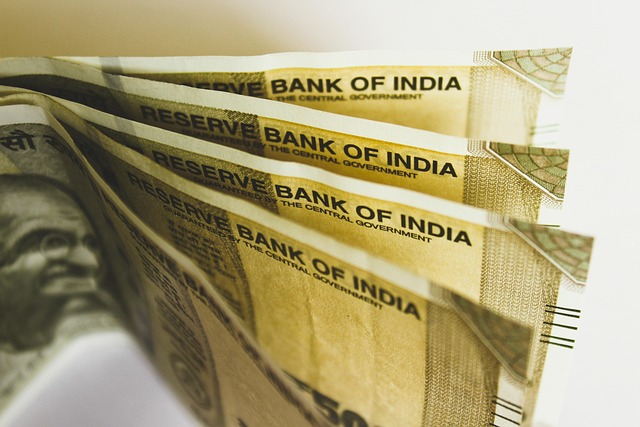
India's Reserve Bank of India (RBI) is widely expected to maintain its benchmark repo rate at 5.25% this Wednesday, as policymakers carefully monitor the economic ripple effects of the ongoing Iran war. The conflict has triggered a severe energy shock, driving the Indian rupee to record lows beyond 95 per U.S. dollar and pushing 10-year government bond yields to nearly 7.14% — their highest point in almost two years.
After delivering 125 basis points in cumulative rate cuts throughout 2025, the RBI's Monetary Policy Committee paused in February. Governor Sanjay Malhotra had previously described India's economy as being in a "Goldilocks" phase of solid growth paired with manageable inflation. However, the worst energy price surge in decades has significantly changed that picture.
Economists now warn that prolonged elevated oil prices could drag GDP growth down to as low as 6% while pushing inflation — which had cooled to 3.2% in February — back toward 5%. HSBC's chief India economist Pranjul Bhandari noted that if the energy shock persists, the growth slowdown could mirror the economic disruption seen during the COVID-19 pandemic.
Rather than adjusting interest rates, the RBI is expected to focus on stabilizing financial markets. Analysts at Barclays anticipate continued bond purchases, short-term liquidity injections, and foreign-exchange swap operations to ease market stress. Additional rupee-support measures — such as a special forex window for oil companies or non-resident Indian investment schemes — are also being considered.
While overnight indexed swap markets have priced in some possibility of a rate hike, most economists argue the bar for tightening monetary policy remains very high. J.P. Morgan's Sajjid Chinoy emphasized that only a sustained inflation surge well above the RBI's 4% target would justify such a move. For now, a neutral policy stance appears most likely.







